The Structure of Recombinant Human RTRAF Protein
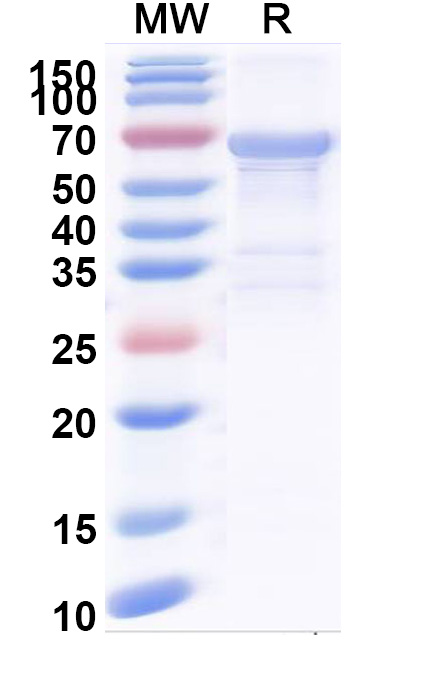
Recombinant Human RTRAF (Receptor-Targeting Regulatory Factor) Protein is a type of recombinant protein that plays a crucial role in regulating cell signaling and immune response. This protein is composed of 297 amino acids and has a molecular weight of approximately 33 kDa. It is a member of the tumor necrosis factor receptor-associated factor (TRAF) family, which is known for its involvement in various cellular processes such as cell survival, proliferation, and differentiation.
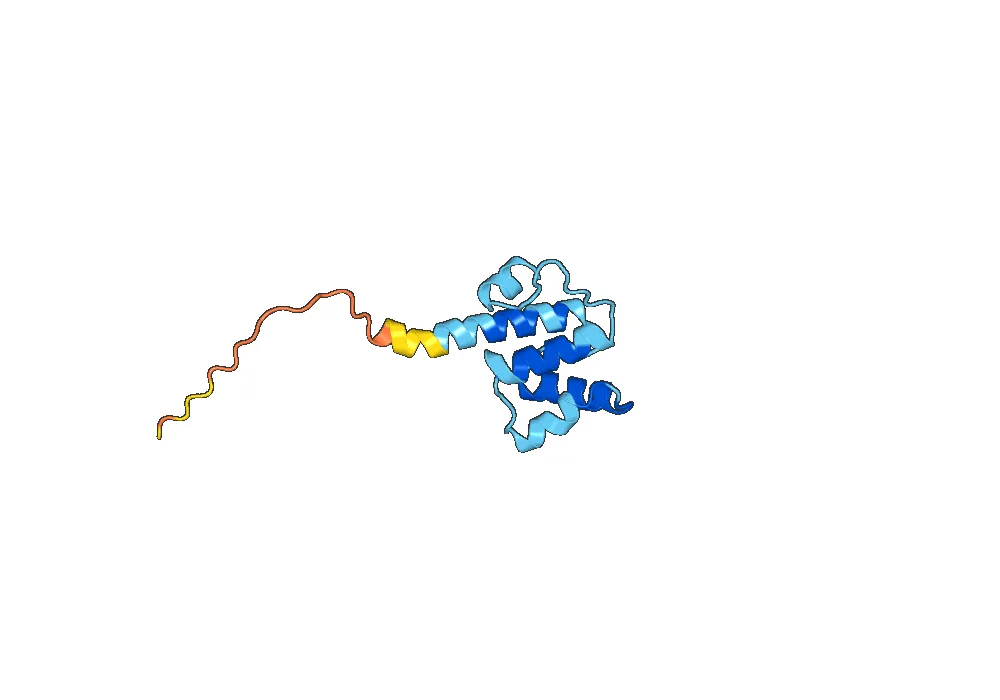
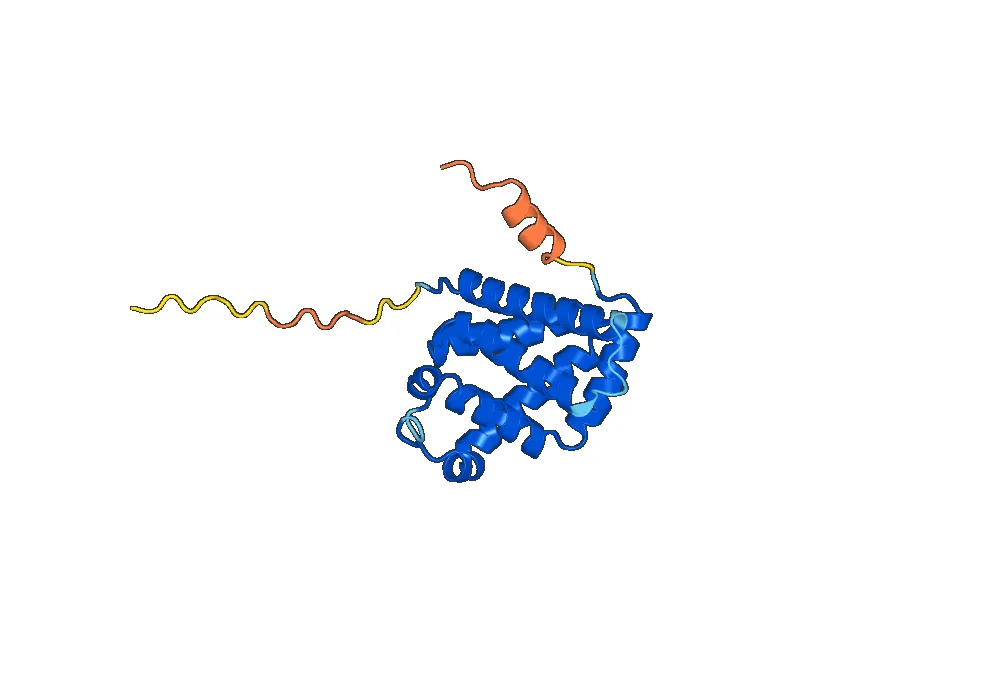
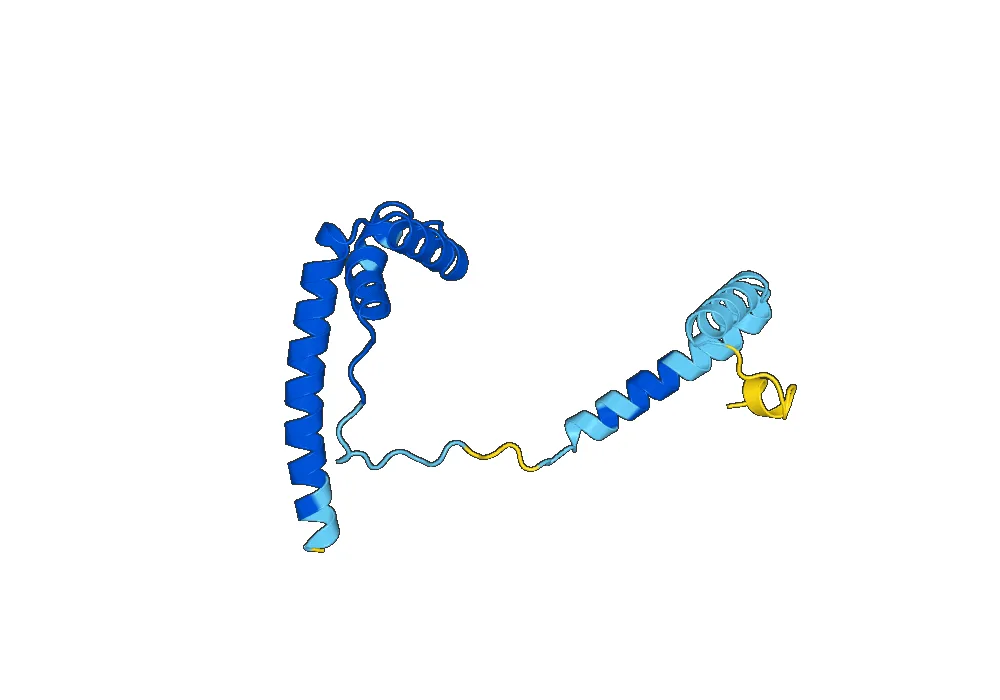
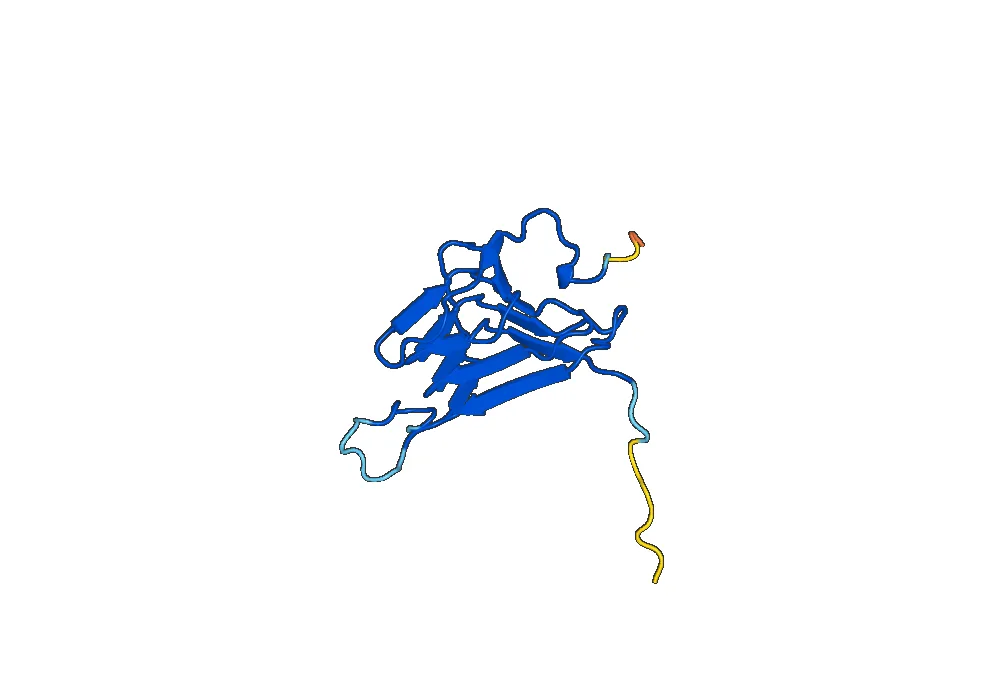
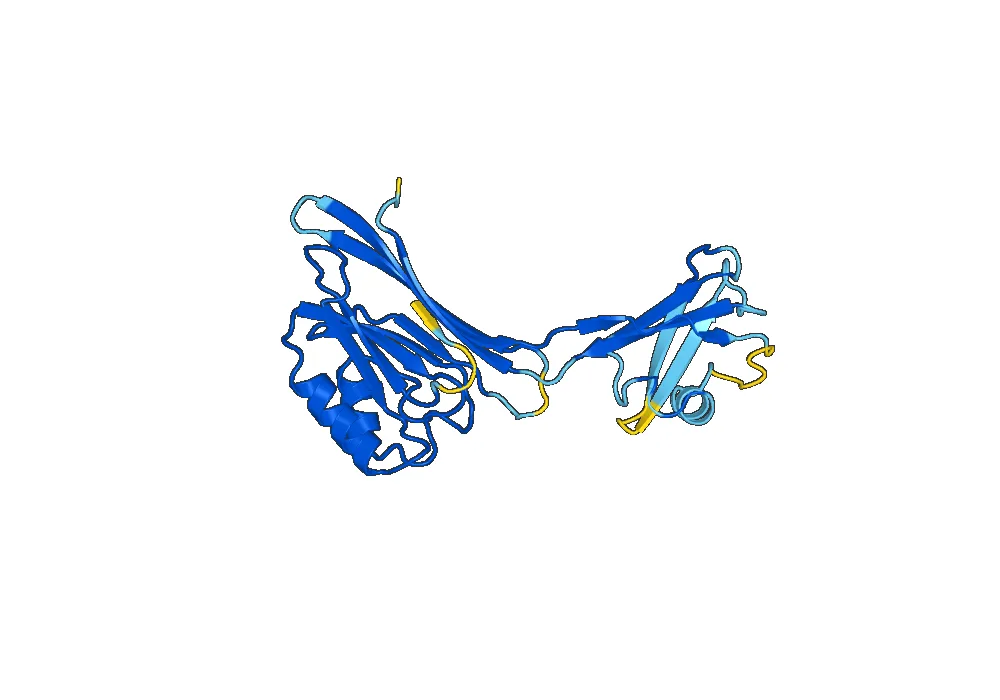
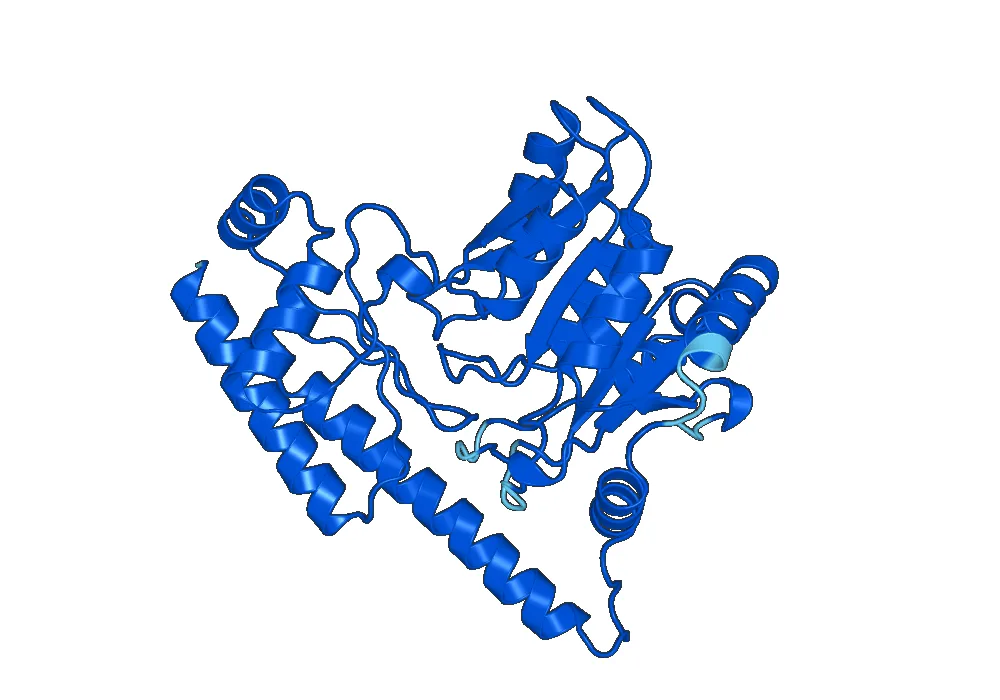
The primary structure of Recombinant Human RTRAF Protein consists of a N-terminal RING finger domain, followed by a series of zinc finger motifs, a coiled-coil domain, and a C-terminal TRAF domain. The RING finger domain is responsible for the E3 ubiquitin ligase activity of RTRAF, which is essential for its role in regulating protein degradation and turnover. The zinc finger motifs and coiled-coil domain are involved in protein-protein interactions, allowing RTRAF to interact with other cellular proteins and form complexes.
The TRAF domain of Recombinant Human RTRAF Protein is the most significant region as it is responsible for its binding to various receptors and signaling molecules. This domain contains a conserved TRAF-C domain and a variable TRAF-N domain, which are crucial for the specificity of RTRAF’s interactions with different targets. These interactions can activate or inhibit various signaling pathways, ultimately leading to the regulation of cellular processes.
The Activity of Recombinant Human RTRAF Protein
Recombinant Human RTRAF Protein has been extensively studied for its role in regulating immune response and inflammatory processes. It is known to interact with several receptors, including TNF receptors, Toll-like receptors, and interleukin receptors, to modulate downstream signaling pathways. RTRAF can activate the NF-κB pathway, leading to the production of pro-inflammatory cytokines, or inhibit the MAPK pathway, resulting in the suppression of inflammatory responses.
Additionally, Recombinant Human RTRAF Protein has been shown to play a critical role in regulating cell survival and proliferation. It can interact with various growth factor receptors, such as epidermal growth factor receptor (EGFR) and platelet-derived growth factor receptor (PDGFR), to activate downstream signaling pathways that promote cell growth and survival. Moreover, RTRAF can also regulate cell death pathways, such as apoptosis, by interacting with pro-apoptotic proteins.
The Application of Recombinant Human RTRAF Protein
The unique structure and activity of Recombinant Human RTRAF Protein make it an essential tool in various research fields, particularly in immunology and cancer biology. Its ability to regulate immune response and inflammatory processes makes it a potential therapeutic target for diseases such as autoimmune disorders and chronic inflammation. Additionally, RTRAF’s role in cell survival and proliferation makes it a potential target for cancer treatment.
Moreover, Recombinant Human RTRAF Protein has also been used in various studies to understand the mechanisms of different signaling pathways and their roles in cellular processes. Its interactions with various receptors and signaling molecules make it a valuable tool for identifying potential drug targets and developing new therapies for various diseases.
In conclusion, Recombinant Human RTRAF Protein is a crucial component of the cellular signaling network, playing a significant role in regulating immune response, inflammation, and cell survival. Its unique structure and activity make it an essential tool for research and potential therapeutic applications, making it a promising target for further studies.

There are no reviews yet.