Introduction
Recombinant proteins have revolutionized the field of biotechnology and have become an essential tool for various research and therapeutic applications. One such protein is the Recombinant Human SMYD2 Protein, which has gained significant attention due to its unique structure and diverse functions. In this article, we will explore the structure, activity, and applications of this protein in detail.
Structure of Recombinant Human SMYD2 Protein
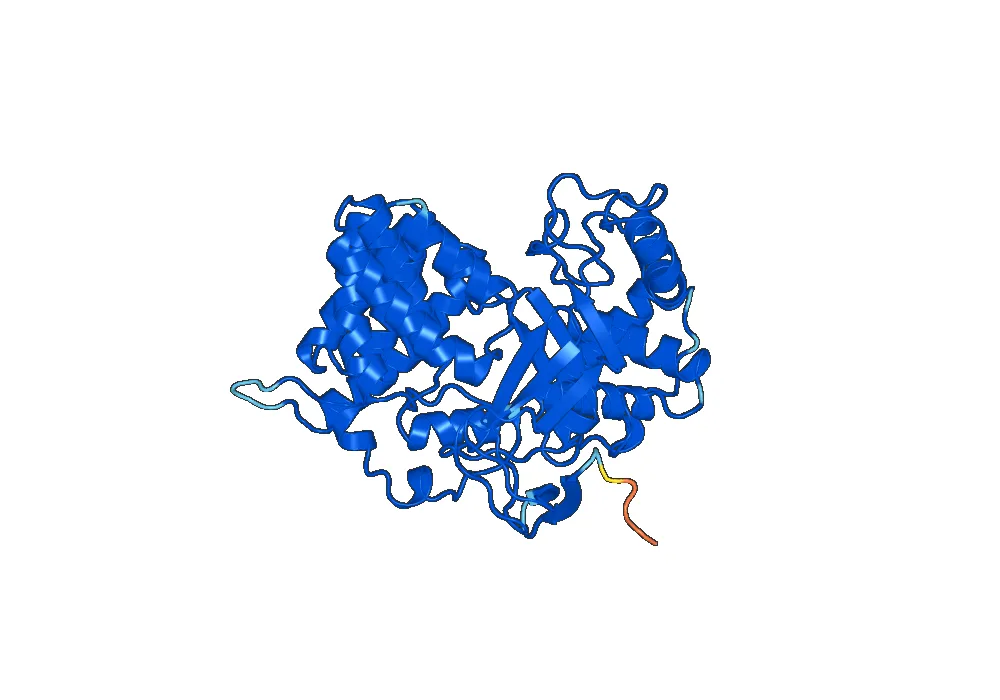
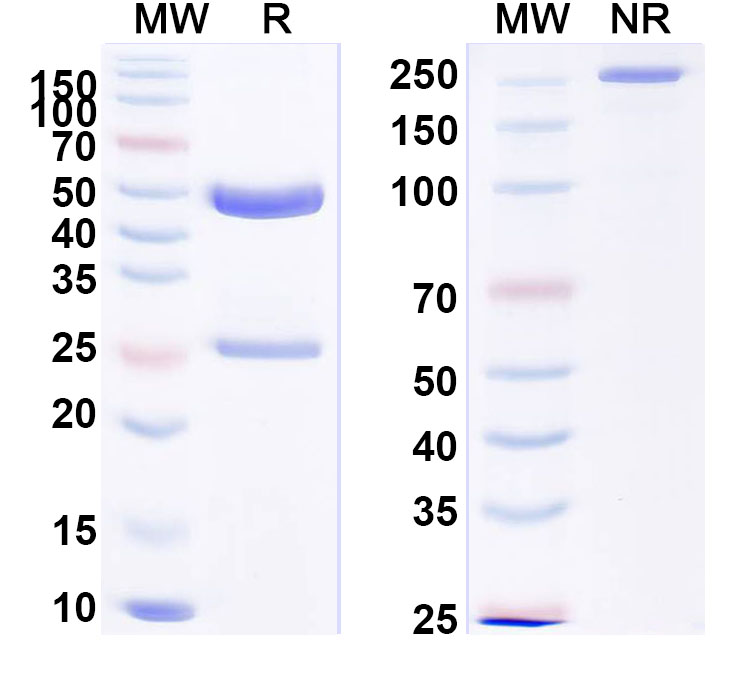
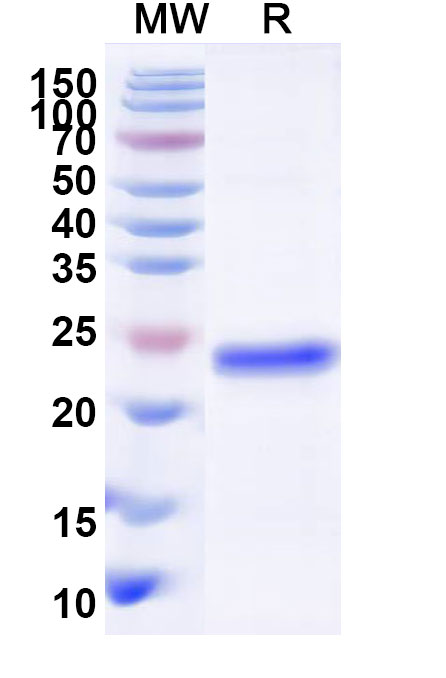
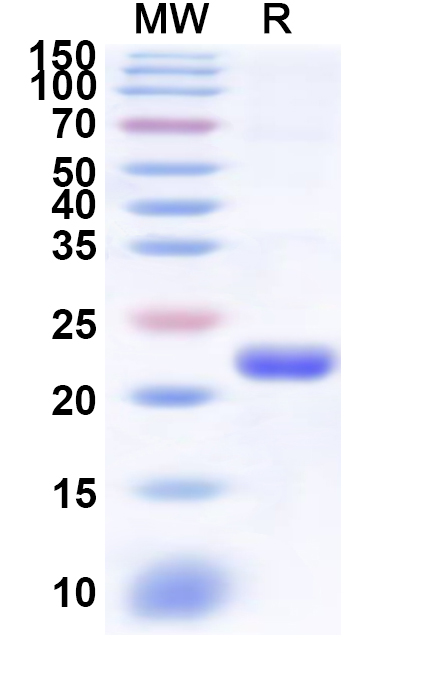
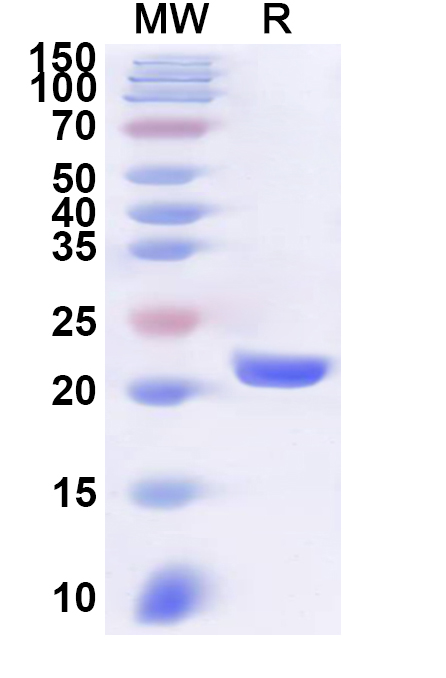
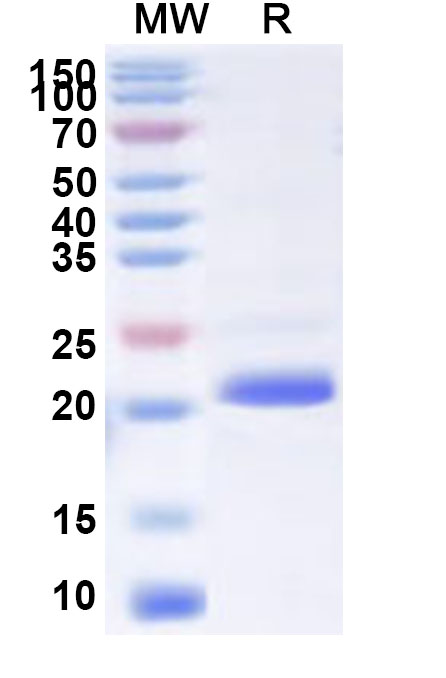
Recombinant Human SMYD2 Protein is a 46 kDa protein that belongs to the SET and MYND domain-containing (SMYD) family. It is composed of 427 amino acids and contains a SET domain, a MYND domain, and a C-terminal domain. The SET domain is responsible for the histone methyltransferase (HMT) activity of SMYD2, while the MYND domain is involved in protein-protein interactions. The C-terminal domain is essential for substrate recognition and binding.
Activity of Recombinant Human SMYD2 Protein
Recombinant Human SMYD2 Protein is a histone methyltransferase that catalyzes the transfer of a methyl group from S-adenosylmethionine (SAM) to lysine 4 of histone H3 (H3K4). This methylation leads to the activation of gene expression by promoting the recruitment of transcriptional co-activators. SMYD2 has also been shown to methylate non-histone proteins, such as p53, estrogen receptor α, and retinoblastoma protein, which regulates their functions. Moreover, SMYD2 has been reported to have protein lysine methyltransferase activity, which targets non-histone proteins, including transcription factors and chromatin-associated proteins.
Applications of Recombinant Human SMYD2 Protein
The unique structure and activity of Recombinant Human SMYD2 Protein make it a valuable tool for various research and therapeutic applications.
Epigenetics Research
As an HMT, SMYD2 plays a crucial role in regulating gene expression through histone methylation. Therefore, it is widely used in epigenetics research to study the impact of histone modifications on gene expression and disease development.
Cancer Research
SMYD2 has been implicated in various types of cancer, including breast, prostate, and lung cancer. Its overexpression has been linked to tumor growth and metastasis. Therefore, Recombinant Human SMYD2 Protein is used in cancer research to study its role in disease progression and as a potential therapeutic target.
Drug Discovery
The dysregulation of SMYD2 has been associated with several diseases, making it a potential target for drug discovery. Recombinant Human SMYD2 Protein is used to screen for small molecule inhibitors that can selectively inhibit its activity and potentially treat diseases associated with SMYD2 dysregulation.
Therapeutic Applications
Due to its role in cancer and other diseases, SMYD2 has emerged as a potential therapeutic target. Recombinant Human SMYD2 Protein can be used to develop targeted therapies that specifically inhibit its activity and potentially treat diseases caused by SMYD2 dysregulation.
Diagnostic Applications
The overexpression of SMYD2 has been observed in certain types of cancer, making it a potential biomarker for disease diagnosis. Recombinant Human SMYD2 Protein can be used to develop diagnostic assays for the detection of SMYD2 levels in patient samples.
Conclusion
Recombinant Human SMYD2 Protein is a versatile protein with a unique structure and diverse functions. Its role in regulating gene expression and its involvement in various diseases make it a valuable tool for research and therapeutic applications. With ongoing research on SMYD2, we can expect to

There are no reviews yet.