Introduction
Recombinant Human SRSF2/SC-35 Protein, also known as Serine/arginine-rich splicing factor 2 (SRSF2) or SC35, is a protein that plays a crucial role in the process of mRNA splicing. This protein is encoded by the SRSF2 gene and is a member of the serine/arginine-rich (SR) family of proteins. Recombinant Human SRSF2/SC-35 Protein is widely used in research and has potential applications in therapeutics.
Structure of Recombinant Human SRSF2/SC-35 Protein
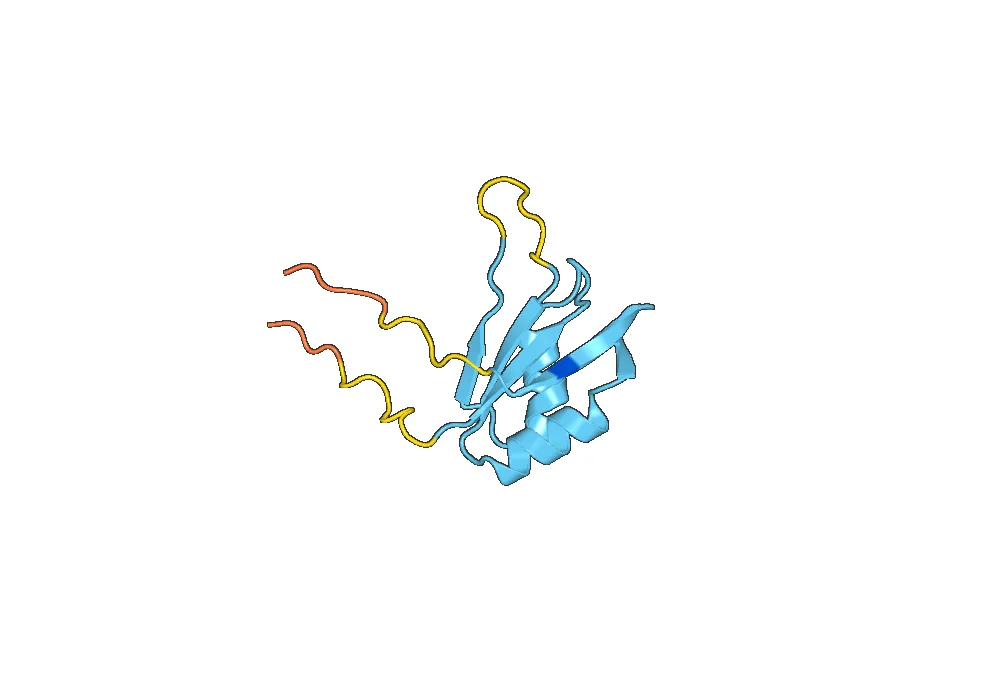
Recombinant Human SRSF2/SC-35 Protein is a 35 kDa protein with a molecular formula of C162H263N45O49S1. It is composed of 248 amino acids and has a predicted isoelectric point of 8.95. The protein has a modular structure with an N-terminal RNA recognition motif (RRM) and a C-terminal arginine/serine-rich (RS) domain. The RRM domain is responsible for binding to RNA, while the RS domain is involved in protein-protein interactions.
Activity of Recombinant Human SRSF2/SC-35 Protein
Recombinant Human SRSF2/SC-35 Protein is a key regulator of alternative splicing, a process by which different combinations of exons can be included or excluded from the final mRNA transcript. This protein plays a crucial role in the recognition of specific RNA sequences and facilitates the recruitment of other splicing factors to the pre-mRNA. It has been shown to enhance the splicing of specific exons and to regulate alternative splicing in a tissue-specific manner.
In addition to its role in splicing, Recombinant Human SRSF2/SC-35 Protein also has other activities. It has been shown to interact with other proteins involved in RNA processing, such as the RNA helicase p68. This interaction is important for the regulation of RNA stability and translation. Furthermore, Recombinant Human SRSF2/SC-35 Protein has been found to play a role in the regulation of transcription and mRNA export.
Application of Recombinant Human SRSF2/SC-35 Protein
Recombinant Human SRSF2/SC-35 Protein has various applications in research, particularly in the field of RNA splicing and gene expression. It is commonly used in in vitro splicing assays to study the mechanisms of alternative splicing. It can also be used to study the effects of mutations in the SRSF2 gene, which have been linked to diseases such as myelodysplastic syndromes and acute myeloid leukemia.
Furthermore, Recombinant Human SRSF2/SC-35 Protein has potential therapeutic applications. It has been shown to regulate the splicing of Bcl-x, a gene involved in apoptosis, and its overexpression has been linked to drug resistance in cancer cells. Therefore, targeting this protein could potentially be used as a strategy to sensitize cancer cells to chemotherapy.
In addition, Recombinant Human SRSF2/SC-35 Protein has been identified as a potential biomarker for certain diseases. Its expression has been found to be altered in various cancers, including breast, lung, and prostate cancer. Furthermore, mutations in the SRSF2 gene have been linked to hematological malignancies. Therefore, detection of this protein could potentially serve as a diagnostic or prognostic marker for these diseases.
Conclusion
Recombinant Human SRSF2/SC-35 Protein is a crucial protein involved in the process of mRNA splicing. It has a modular structure and plays a role in regulating alternative splicing, as well as other RNA processing events. This protein has various applications in research and has potential therapeutic and diagnostic implications. Further studies on the structure and function of Recombinant Human SRSF2/SC-35 Protein could provide valuable insights into its role in

There are no reviews yet.