Introduction
Recombinant Human TEP1 is a protein that has been genetically engineered and produced in a laboratory setting. It is a member of the telomerase-associated protein 1 (TEP1) family and plays a crucial role in regulating telomerase activity and telomere maintenance. In this article, we will discuss the structure, activity, and potential applications of Recombinant Human TEP1.
Structure of Recombinant Human TEP1
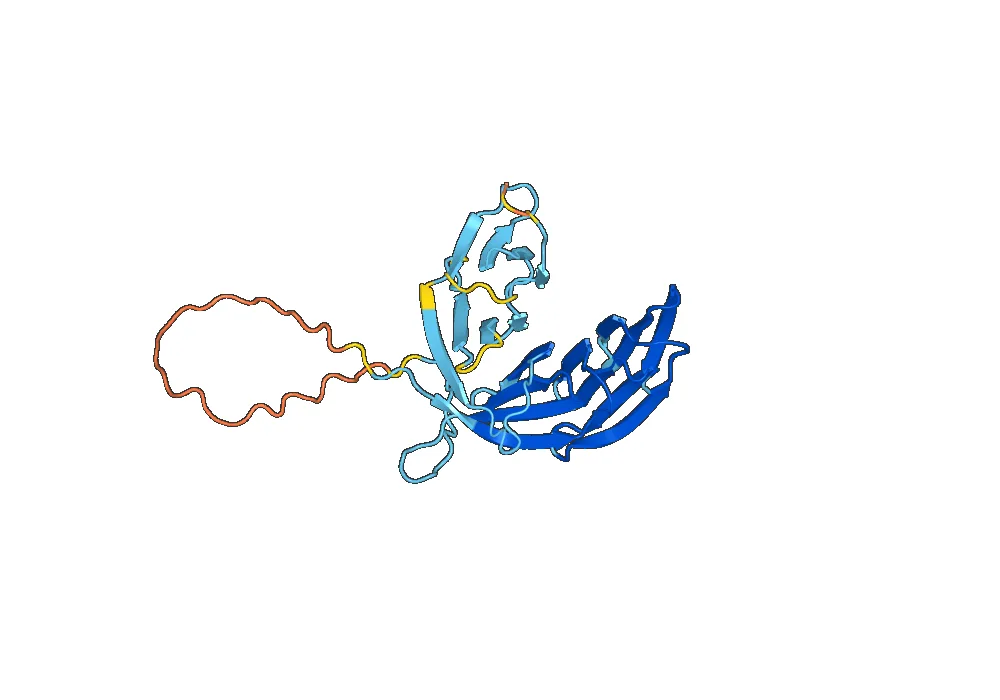
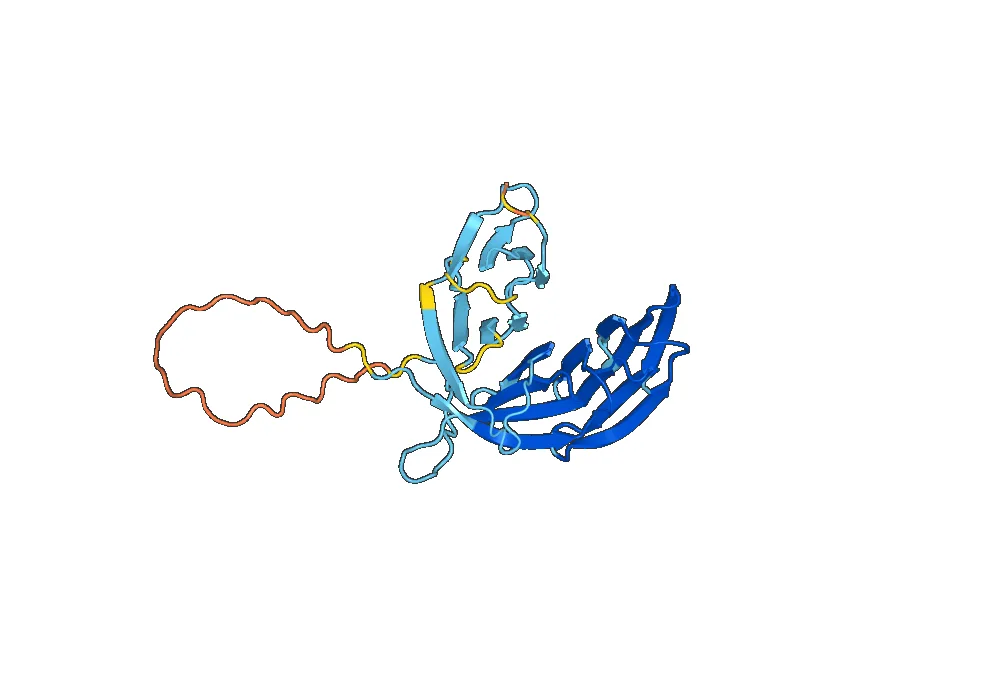
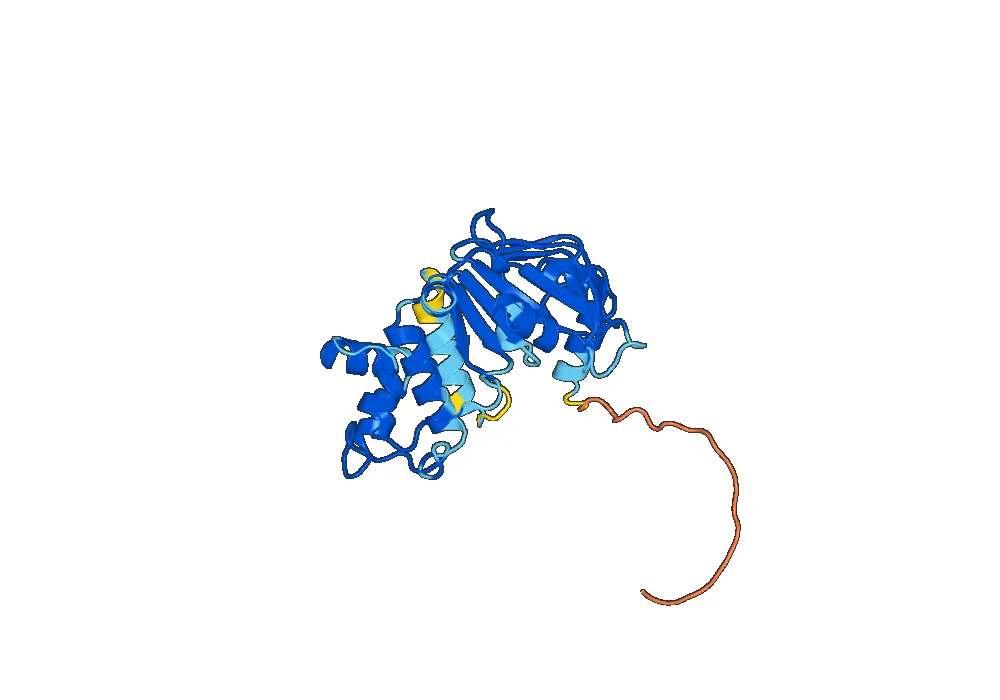
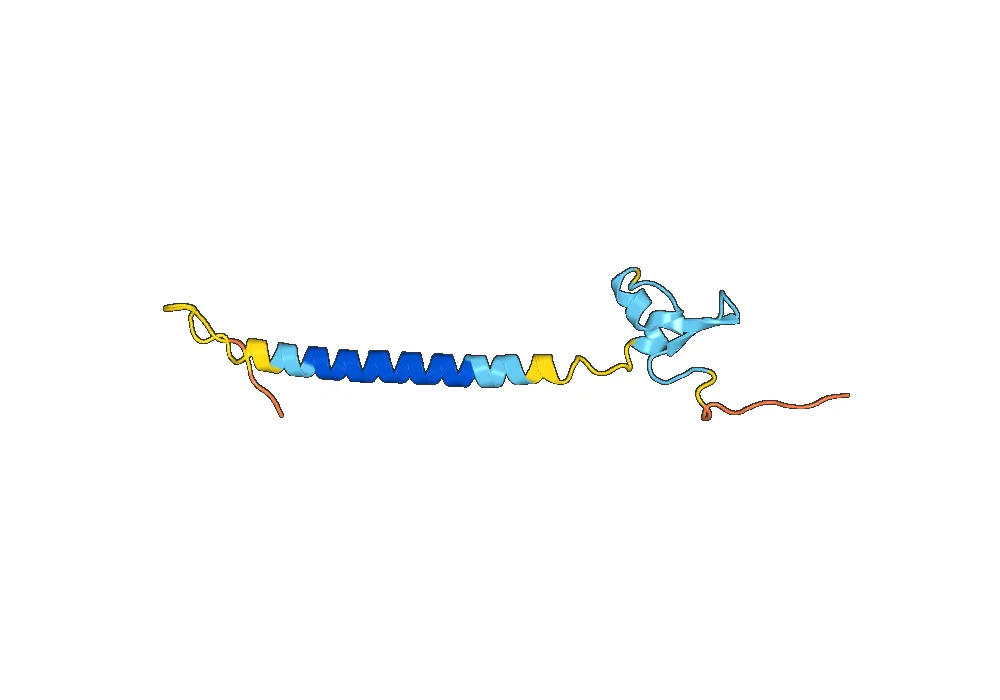
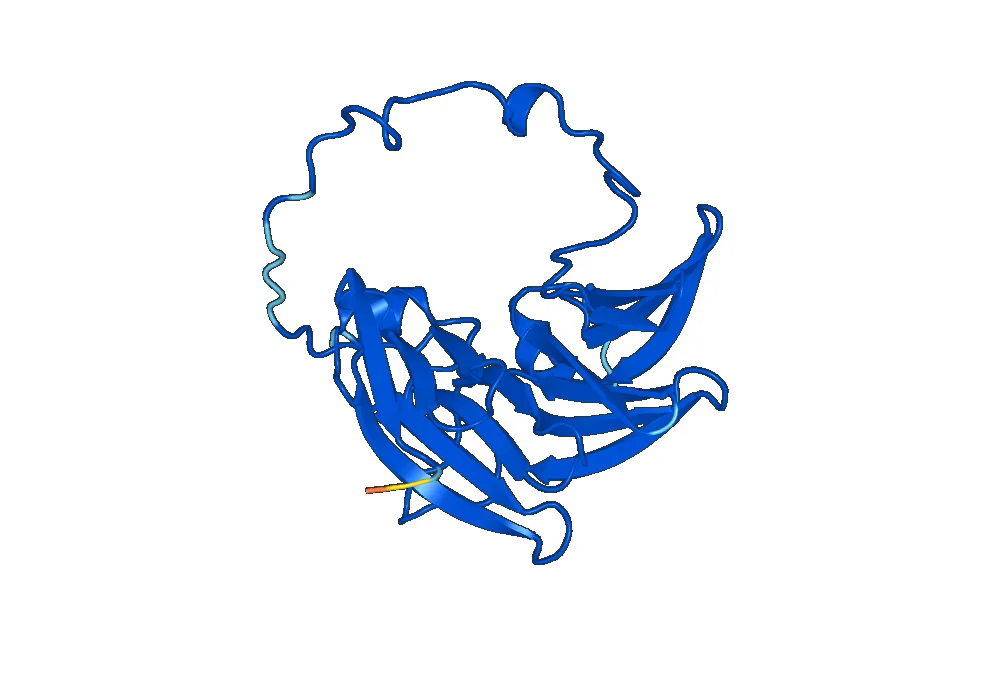
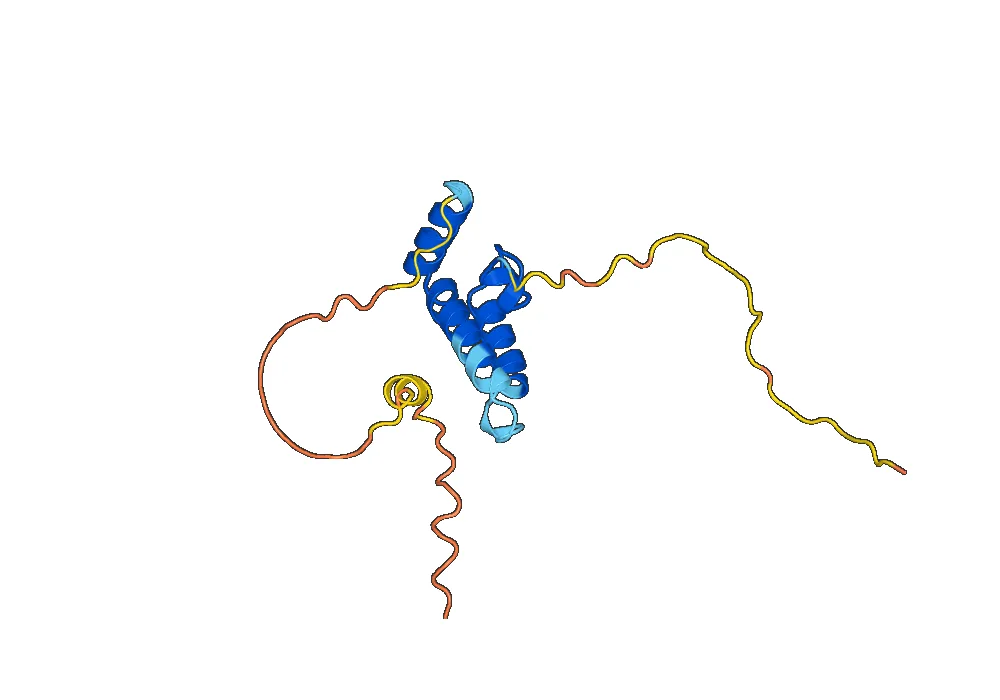
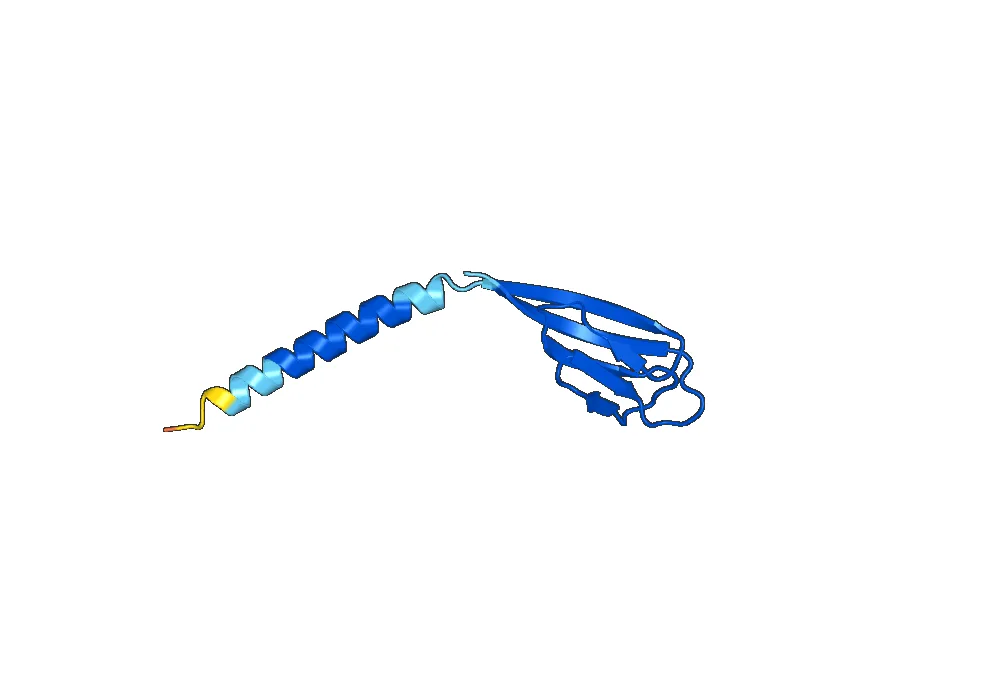
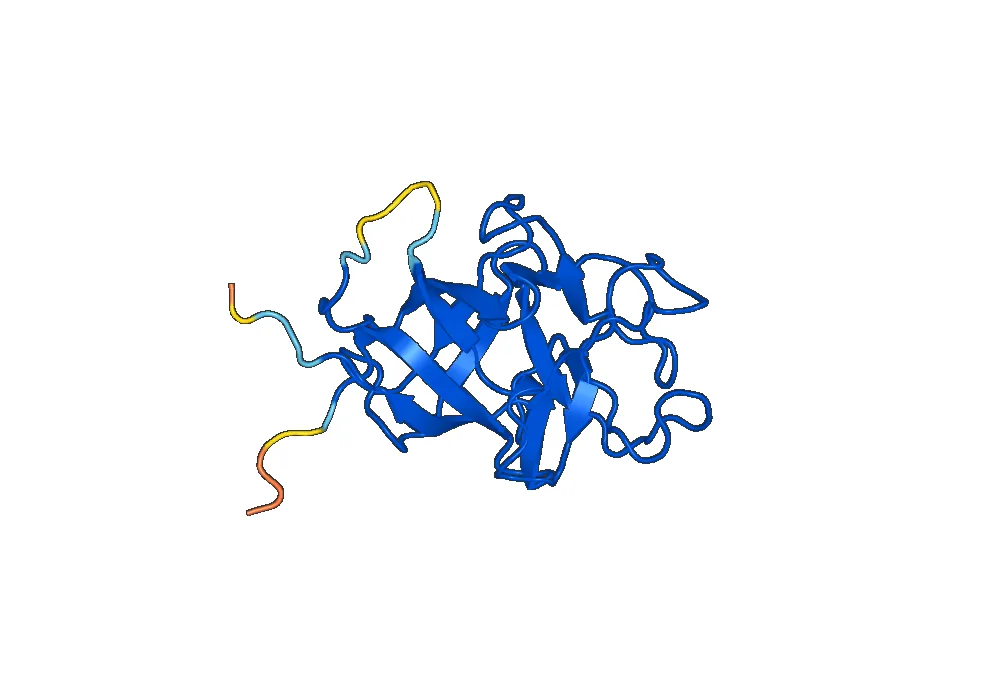
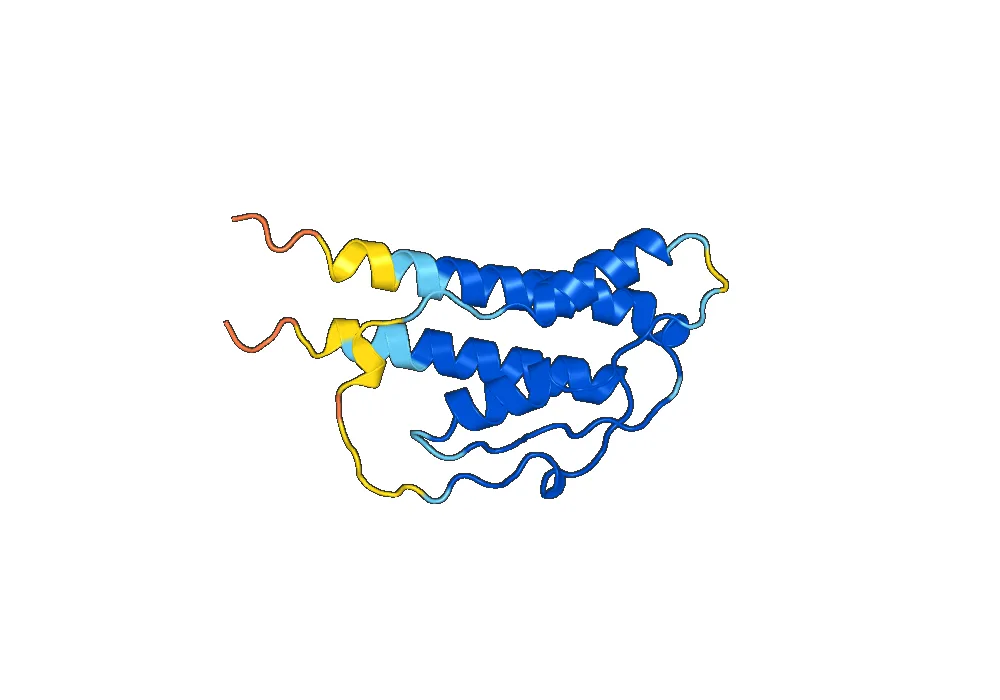
Recombinant Human TEP1 is a 121 kDa protein composed of 1122 amino acids. It is made up of several structural domains, including a N-terminal domain, a central DNA-binding domain, and a C-terminal domain. The N-terminal domain is responsible for binding to telomerase RNA while the DNA-binding domain is essential for binding to telomeric DNA. The C-terminal domain is involved in protein-protein interactions and is necessary for the recruitment of other telomerase-associated proteins.
Activity of Recombinant Human TEP1
Recombinant Human TEP1 is a critical component of the telomerase complex, which is responsible for maintaining the length and stability of telomeres. Telomeres are protective structures at the ends of chromosomes that prevent DNA damage and maintain genomic stability. Telomerase is an enzyme that adds repetitive DNA sequences to the ends of telomeres, thus preventing them from shortening during cell division. Recombinant Human TEP1 plays a crucial role in regulating telomerase activity by binding to telomerase RNA and controlling its recruitment to telomeres.
Additionally, Recombinant Human TEP1 has been shown to have other functions, including regulating gene expression and DNA repair. It has been found to interact with various proteins involved in these processes, suggesting a broader role for this protein beyond telomere maintenance.
Applications of Recombinant Human TEP1
Recombinant Human TEP1 has several potential applications in both research and therapeutic settings.
Research Applications
Recombinant Human TEP1 is a valuable tool for studying the mechanisms of telomere maintenance and telomerase activity. It can be used to investigate the interactions between telomerase and other telomere-associated proteins, as well as the role of telomerase in various cellular processes. Recombinant Human TEP1 can also be used to study the effects of telomerase dysfunction and its potential role in aging and disease.
Therapeutic Applications
Due to its involvement in telomere maintenance and DNA repair, Recombinant Human TEP1 has potential therapeutic applications. It has been proposed as a potential target for anti-cancer therapies, as telomerase is often overexpressed in cancer cells. Inhibiting Recombinant Human TEP1 could disrupt telomerase activity and lead to the death of cancer cells. Additionally, Recombinant Human TEP1 has been studied as a potential treatment for age-related diseases, as telomere shortening has been linked to aging and age-related conditions.
Conclusion
Recombinant Human TEP1 is a vital protein involved in regulating telomerase activity and maintaining telomere length and stability. Its structure and function make it a valuable tool for studying telomere biology and its potential applications in research and therapy. Further research on this protein may uncover additional roles and potential therapeutic targets, making it an exciting area of study in the field of genetics and molecular biology.
Keywords:
Recombinant protein, antigen, telomerase, telomere, DNA repair, anti-cancer therapy, aging, gene expression, telomerase-associated protein 1.
There are no reviews yet.