Introduction to Recombinant Human TRPC4AP Protein
Recombinant Human TRPC4AP Protein, also known as Transient Receptor Potential Cation Channel Subfamily C Member 4-Associated Protein, is a protein that plays a crucial role in regulating calcium ion channels in the body. This protein is encoded by the TRPC4AP gene and is a member of the TRPC family of proteins. TRPC4AP is a multi-domain protein that is involved in various cellular processes, including cell signaling, cell growth, and cell differentiation.
Structure of Recombinant Human TRPC4AP Protein
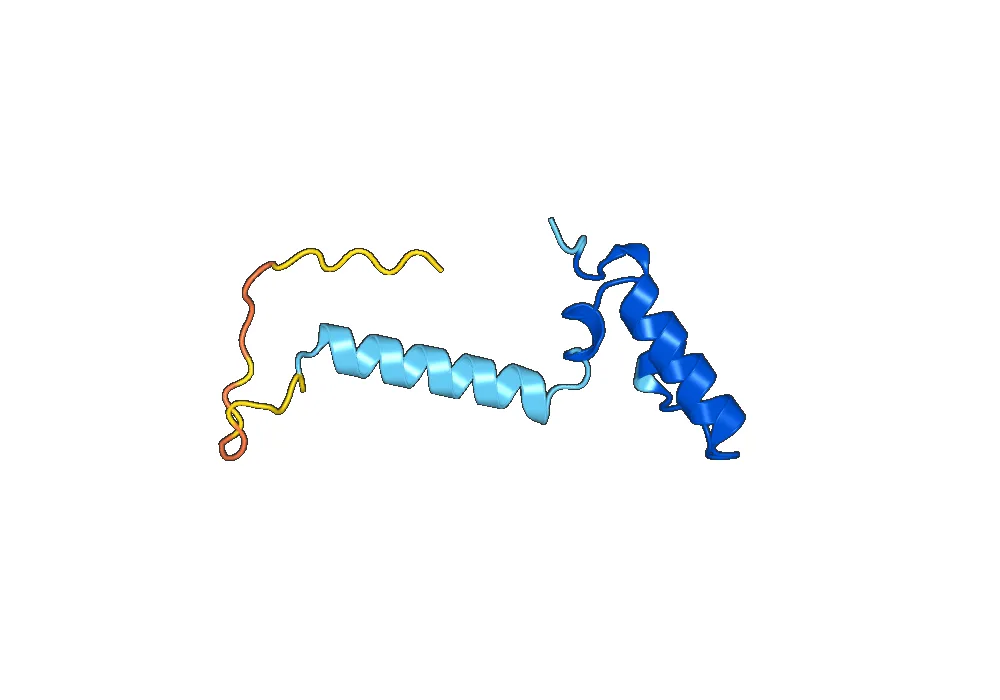
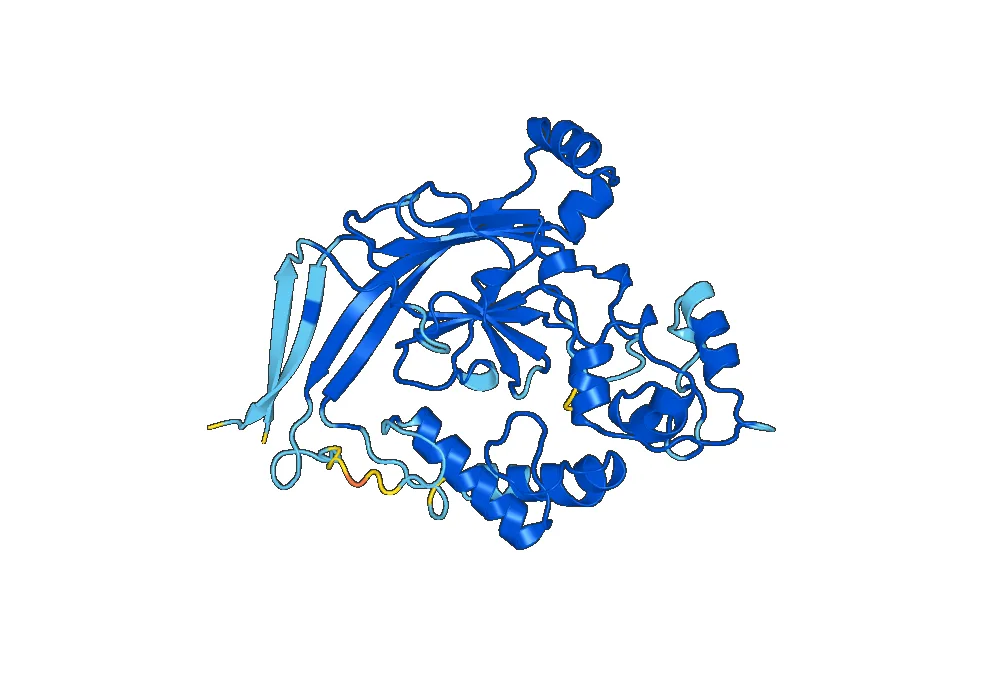
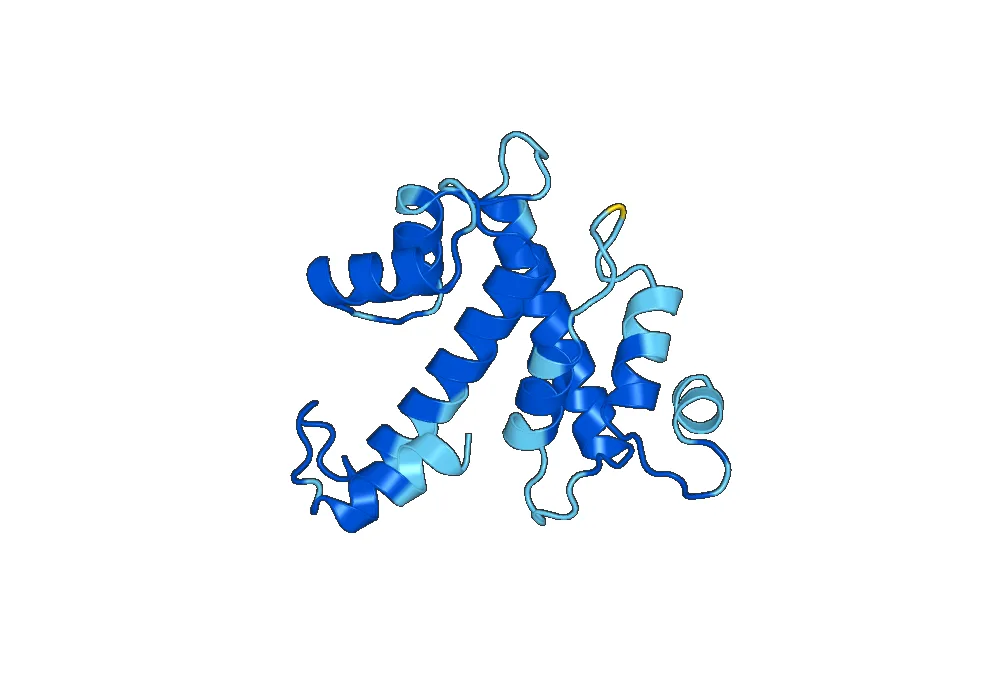
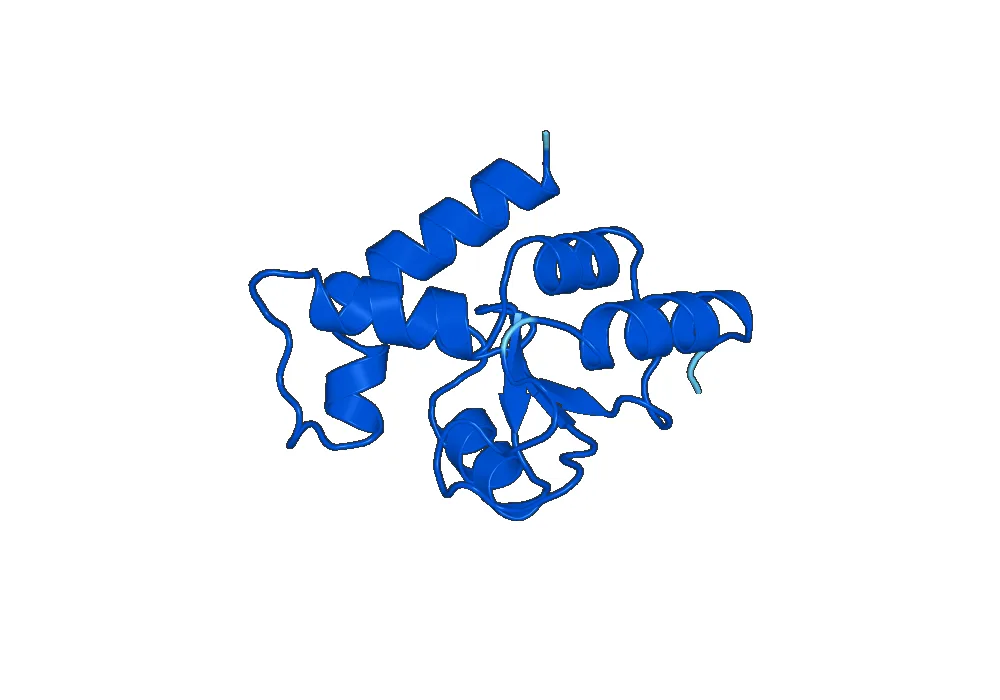
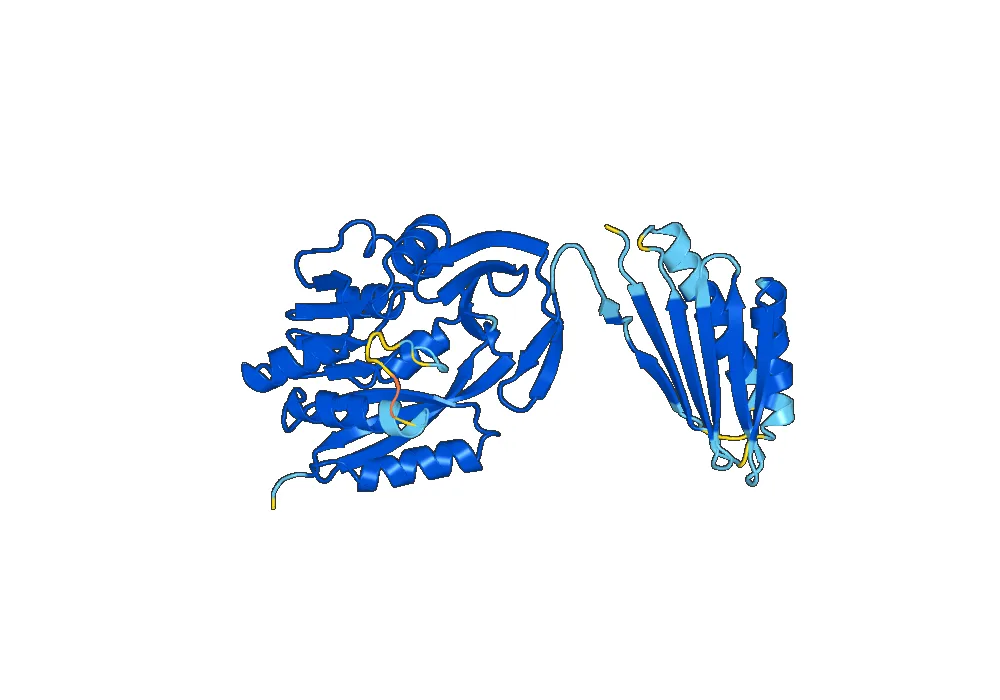
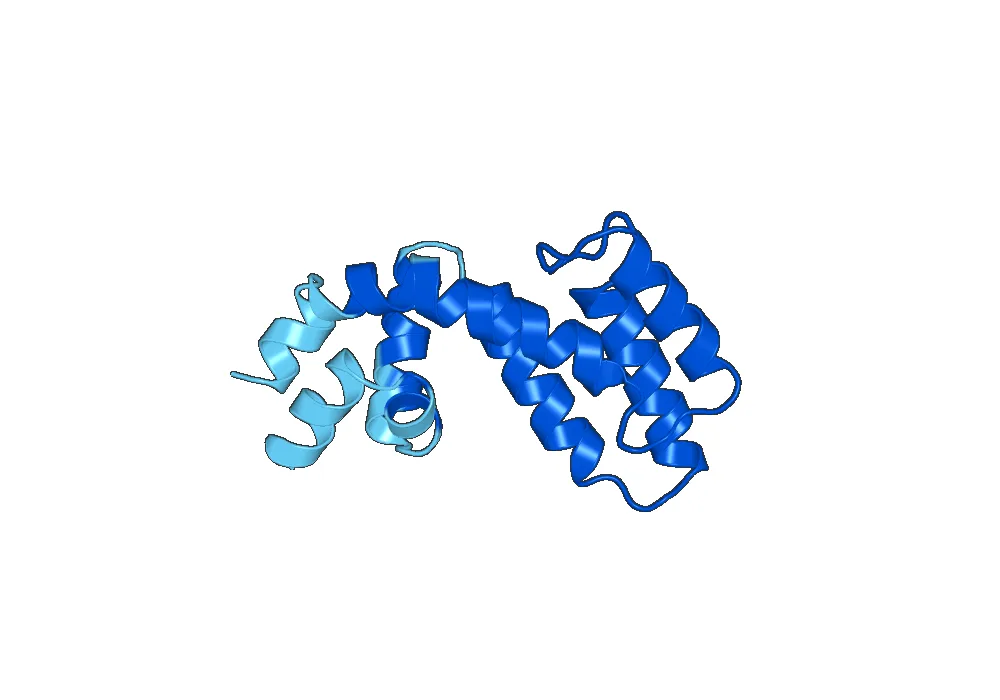
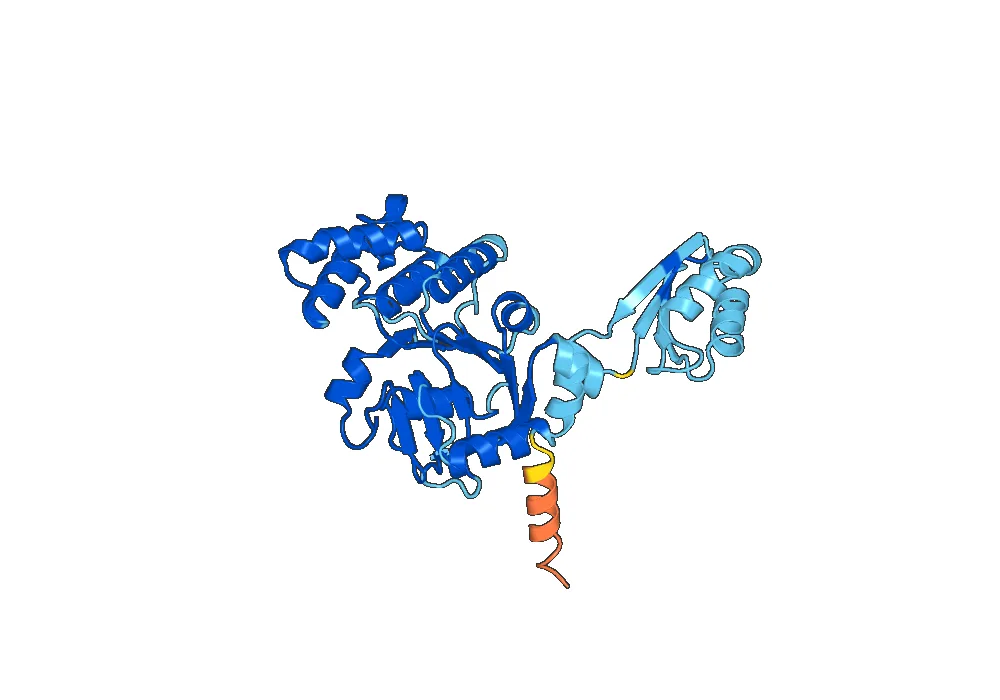
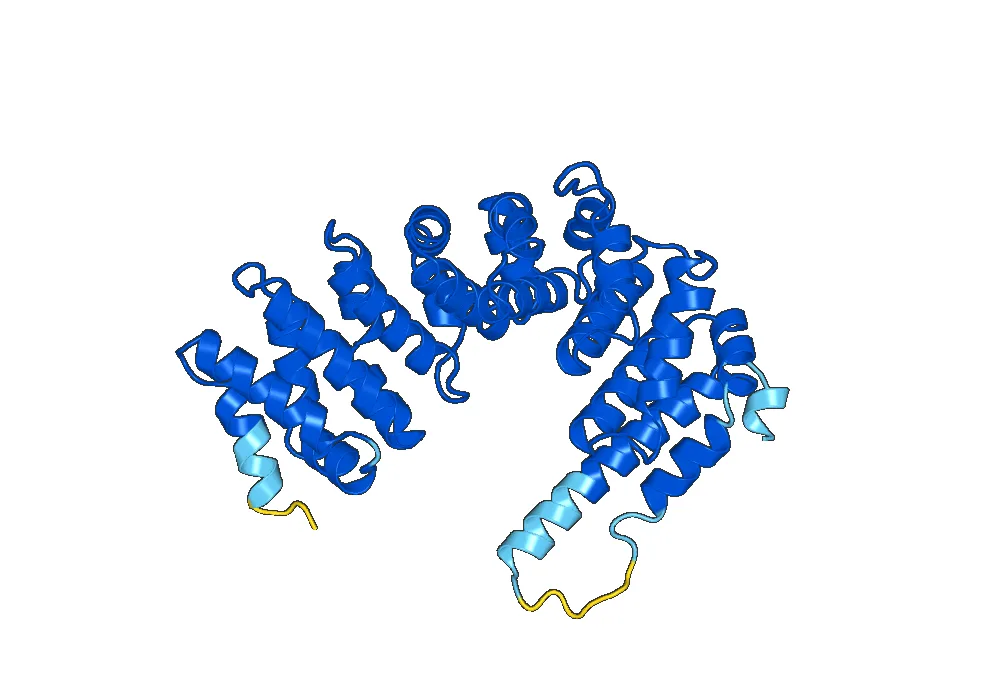
Recombinant Human TRPC4AP Protein is a 105 kDa protein that consists of 921 amino acids. It is composed of several domains, including an N-terminal coiled-coil domain, a central TRPC4 interaction domain, and a C-terminal domain. The coiled-coil domain is responsible for protein-protein interactions, while the TRPC4 interaction domain binds to TRPC4 channels, regulating their activity. The C-terminal domain is involved in regulating the localization and stability of TRPC4AP.
The crystal structure of Recombinant Human TRPC4AP Protein has been determined, revealing the overall shape of the protein and the specific interactions between its domains. This structural information has provided insights into the mechanism of action of TRPC4AP and its role in regulating calcium ion channels.
Activity of Recombinant Human TRPC4AP Protein
Recombinant Human TRPC4AP Protein is a key regulator of TRPC4 channels, which are non-selective cation channels that allow the flow of calcium ions into cells. TRPC4 channels are involved in various cellular processes, including muscle contraction, neuronal signaling, and immune response. TRPC4AP binds to TRPC4 channels and regulates their activity, acting as a negative regulator by decreasing the amount of calcium ions entering the cell.
Studies have shown that Recombinant Human TRPC4AP Protein plays a crucial role in regulating the activity of TRPC4 channels in various tissues and cell types. For example, in smooth muscle cells, TRPC4AP inhibits TRPC4 channels, leading to relaxation of the smooth muscle and vasodilation. In neurons, TRPC4AP modulates the activity of TRPC4 channels, which are involved in synaptic plasticity and learning and memory.
Application of Recombinant Human TRPC4AP Protein
Due to its role in regulating calcium ion channels, Recombinant Human TRPC4AP Protein has potential therapeutic applications in various diseases. For example, TRPC4 channels have been implicated in cardiovascular diseases, such as hypertension and atherosclerosis. As TRPC4AP inhibits TRPC4 channels, it could potentially be used as a treatment for these conditions.
Furthermore, TRPC4AP has also been linked to neurological disorders, such as Alzheimer’s disease and Parkinson’s disease. Studies have shown that TRPC4AP levels are decreased in the brains of patients with Alzheimer’s disease, suggesting that it may play a role in the pathogenesis of this condition. By regulating TRPC4 channels, TRPC4AP could potentially be used as a therapeutic target for these neurodegenerative diseases.
In addition, Recombinant Human TRPC4AP Protein has been used in research studies to investigate the role of TRPC4 channels in various cellular processes. By modulating the activity of TRPC4 channels, TRPC4AP can provide insights into the function of these channels and their potential role in disease processes.
Conclusion
Recombinant Human TRPC4AP Protein is a multi-domain protein that plays a crucial role in regulating TRPC4 channels, which are involved in various cellular processes. Its structure has been determined, and its activity has been extensively studied, revealing its potential as a therapeutic target for various diseases. As research on TRPC

There are no reviews yet.