Introduction to Recombinant Human TWIST2 Protein
Recombinant Human TWIST2 Protein is a highly purified and biologically active protein that is produced through recombinant DNA technology. This protein belongs to the TWIST family of basic helix-loop-helix (bHLH) transcription factors and is encoded by the TWIST2 gene. It plays a crucial role in various cellular processes such as development, differentiation, and apoptosis.
Structure of Recombinant Human TWIST2 Protein
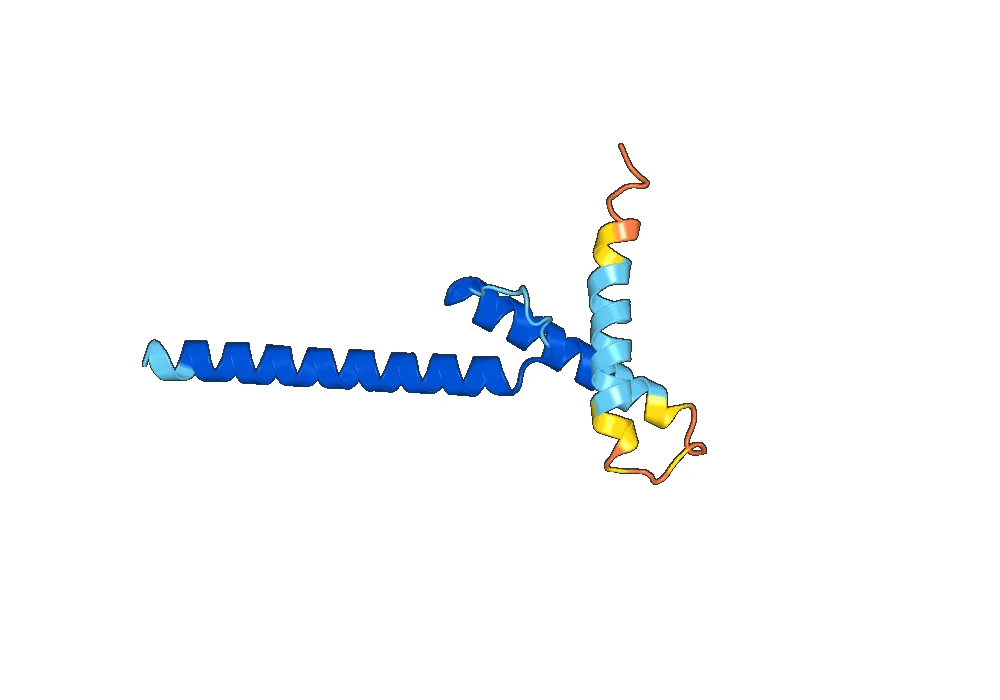
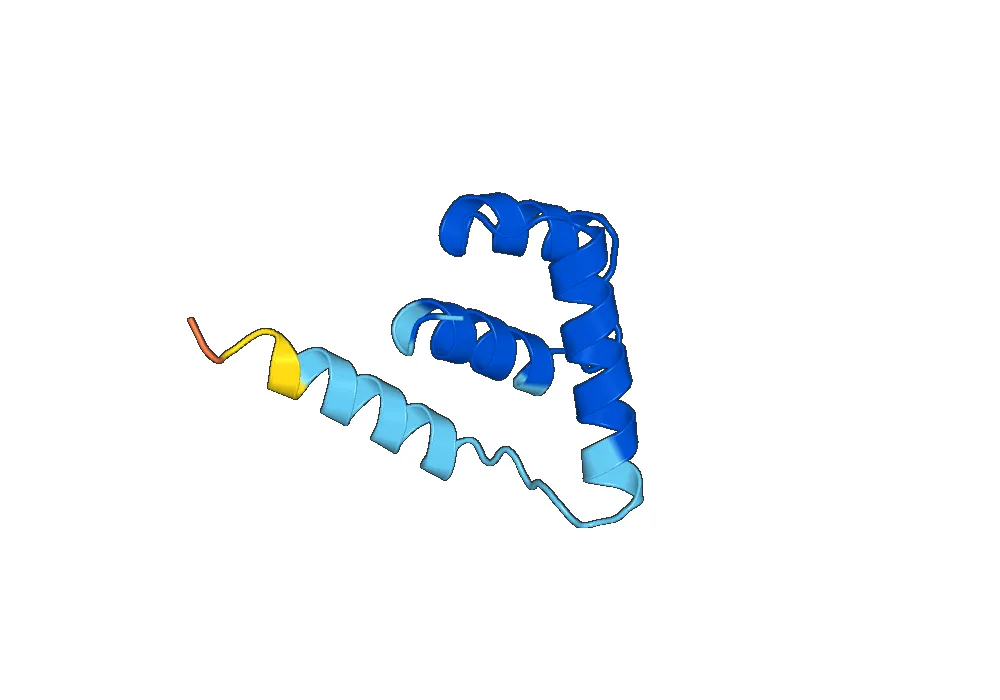
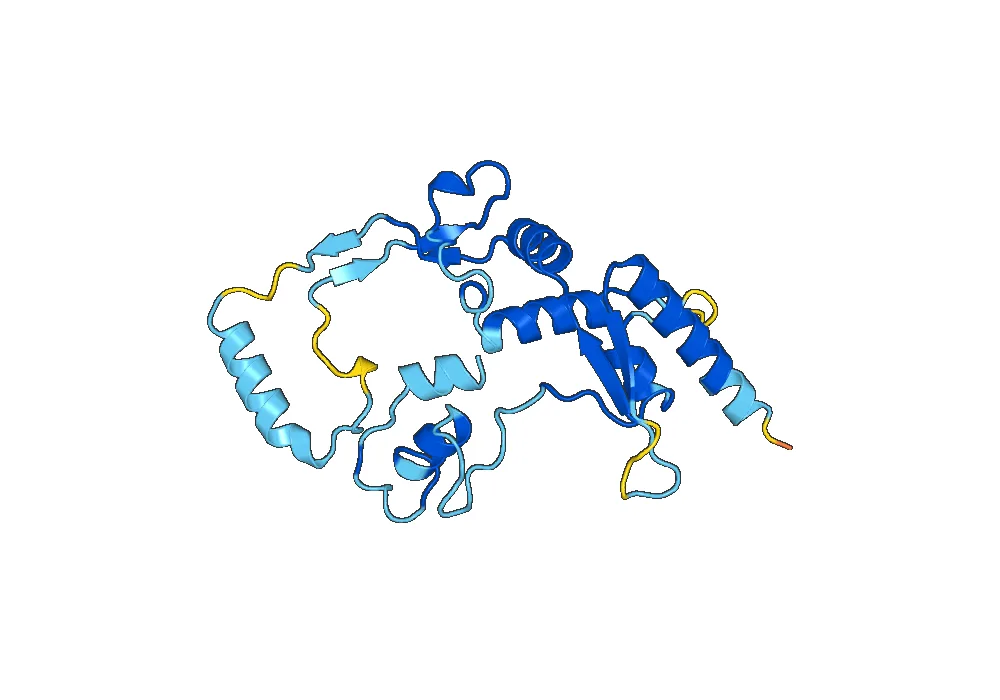
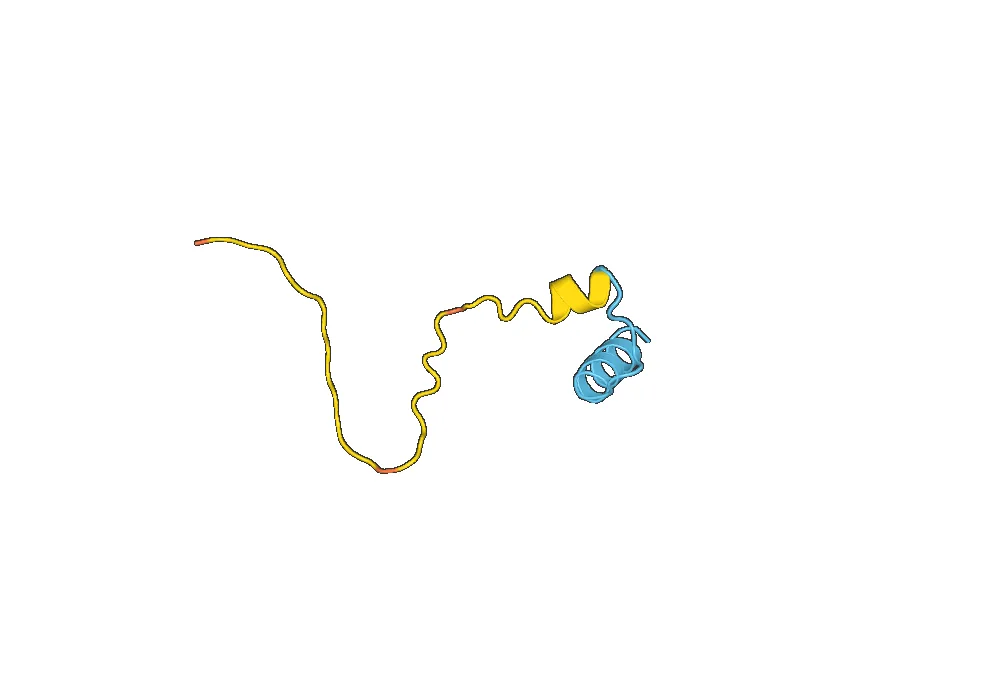
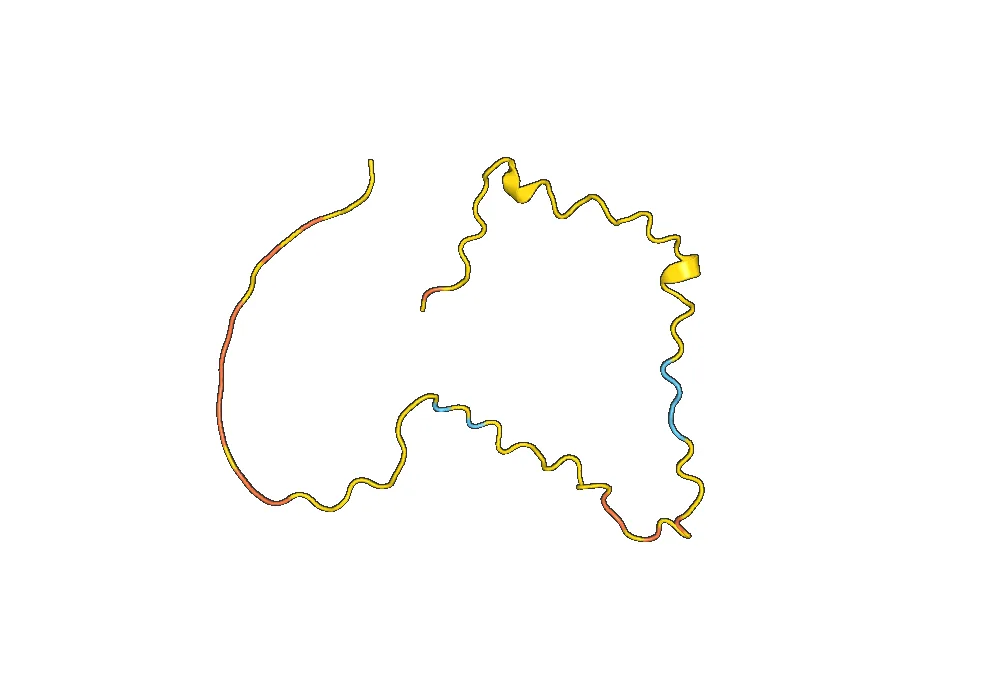
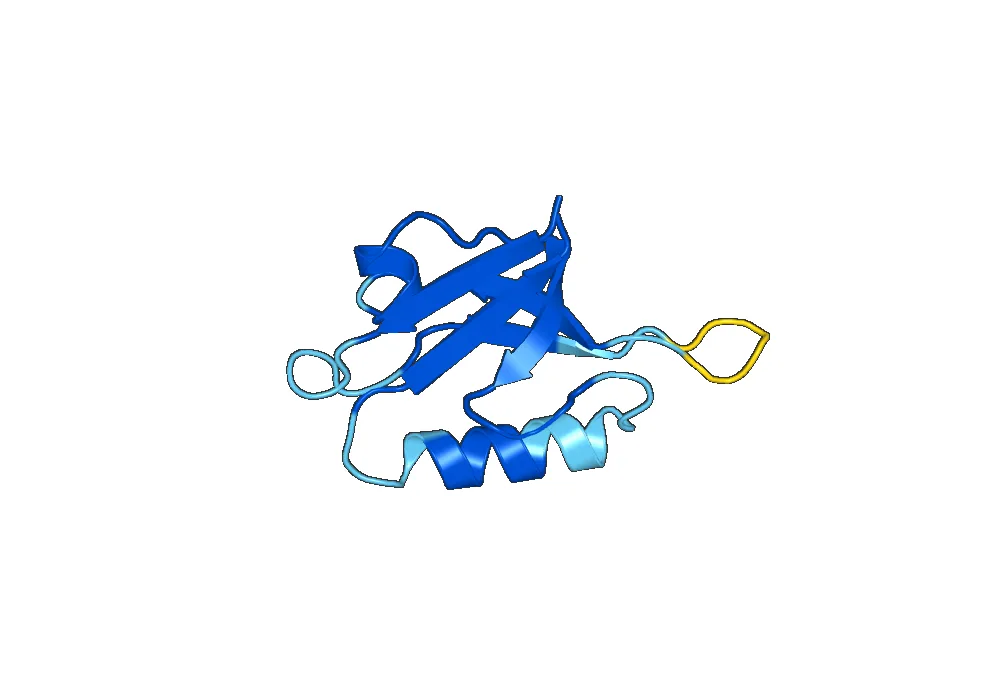
The recombinant human TWIST2 protein is a 20 kDa protein consisting of 184 amino acids. It has a basic helix-loop-helix (bHLH) domain, which is responsible for its DNA binding and transcriptional activity. This domain is highly conserved among the TWIST family of proteins and is essential for their function as transcription factors. The protein also has a proline-rich region that is involved in protein-protein interactions and a C-terminal domain that regulates its stability and activity.
Activity of Recombinant Human TWIST2 Protein
Recombinant Human TWIST2 Protein has been shown to have a wide range of activities in various cellular processes. It has been found to play a critical role in embryonic development, particularly in the formation of mesoderm and neural crest cells. It is also involved in the differentiation of various cell types, including osteoblasts, myoblasts, and adipocytes. Additionally, it has been shown to regulate apoptosis by inhibiting the expression of pro-apoptotic genes.
One of the most significant activities of recombinant human TWIST2 protein is its role in cancer progression. It has been found to be overexpressed in various types of cancer, including breast, lung, and pancreatic cancer. Its overexpression has been associated with increased cell proliferation, invasion, and metastasis, making it a potential target for cancer therapy.
Application of Recombinant Human TWIST2 Protein
The recombinant human TWIST2 protein has a wide range of applications in both research and therapeutic settings. In research, it is used to study its role in various cellular processes, particularly in development and cancer progression. It is also used to investigate its interaction with other proteins and its downstream targets. Additionally, it can be used as a tool to manipulate the expression of TWIST2 and study its effects on cellular processes.
In the therapeutic setting, recombinant human TWIST2 protein has shown potential as a target for cancer therapy. Its overexpression in various types of cancer makes it a promising target for the development of novel anti-cancer drugs. Additionally, it can be used as a diagnostic marker for cancer, as its overexpression has been associated with poor prognosis in cancer patients.
Moreover, recombinant human TWIST2 protein has also been investigated as a potential therapeutic agent for bone-related disorders. It has been found to promote osteoblast differentiation and bone formation, making it a potential treatment for osteoporosis and other bone diseases.
Conclusion
Recombinant Human TWIST2 Protein is a crucial protein that plays a significant role in various cellular processes, including development, differentiation, and cancer progression. Its structure and activity have been extensively studied, and it has shown promising applications in both research and therapeutic settings. Further research on this protein may lead to a better understanding of its role in various diseases and the development of novel treatments.

There are no reviews yet.