Introduction
Recombinant Human UCK2 Protein, also known as Uridine-Cytidine Kinase 2, is a key enzyme involved in the metabolism of nucleoside analogs. This protein is encoded by the UCK2 gene and is found in various tissues and cell types, with the highest expression in the liver and kidney. Recombinant Human UCK2 Protein has gained significant interest in the scientific community due to its role in nucleoside analog-based therapies for cancer and viral infections.
Structure of Recombinant Human UCK2 Protein
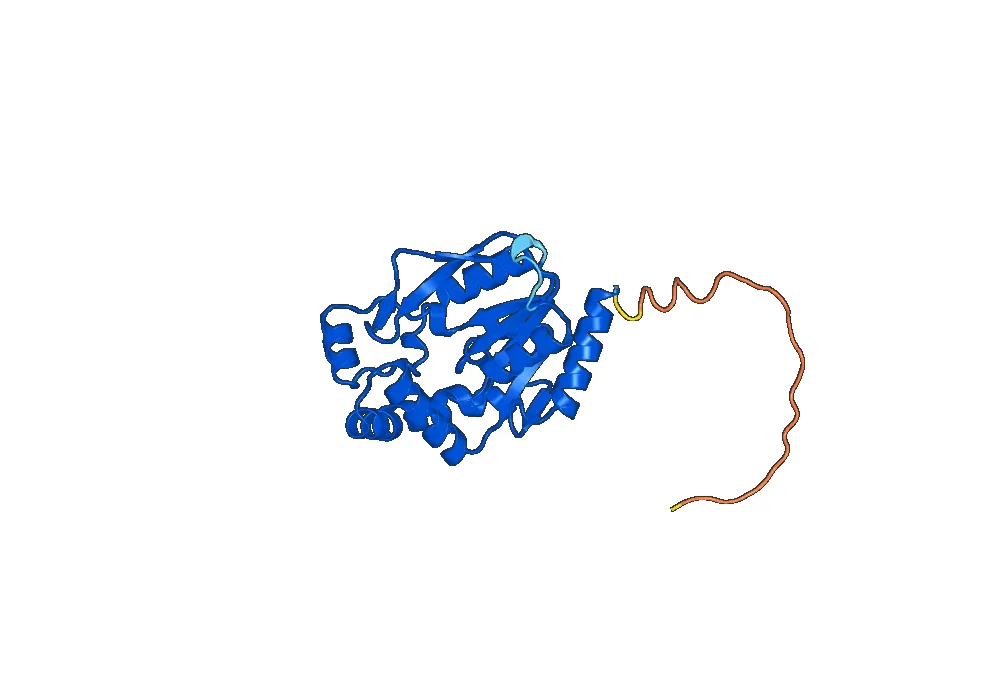
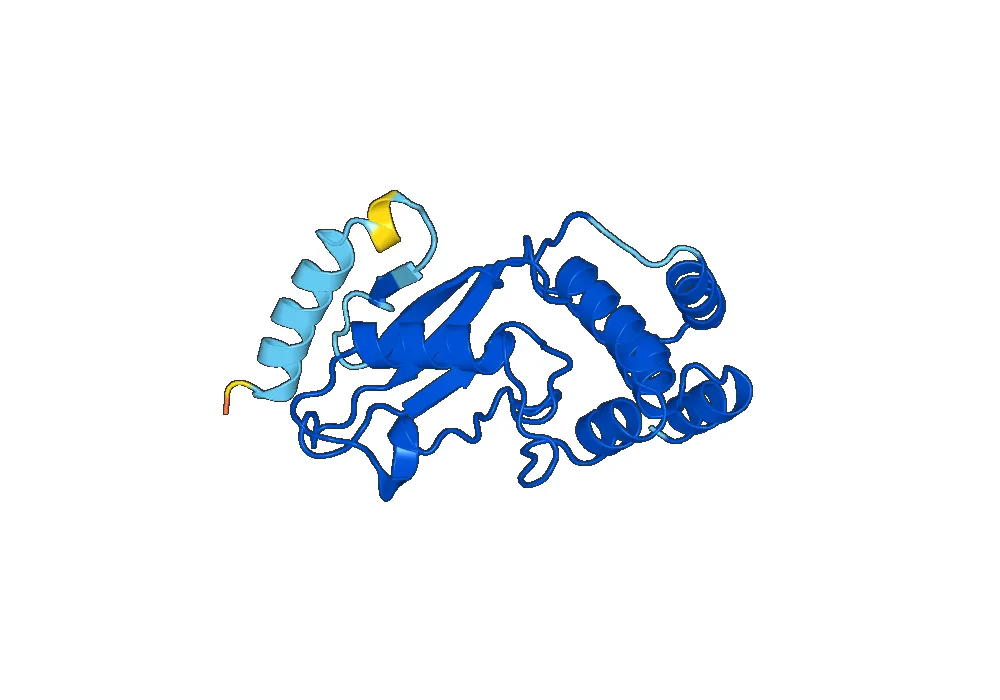
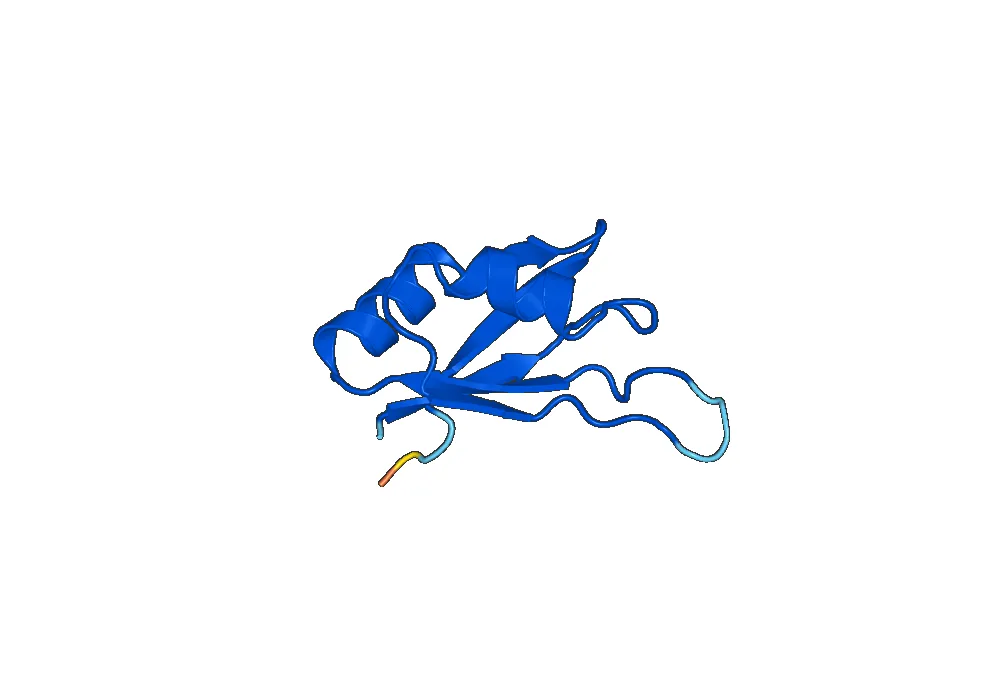
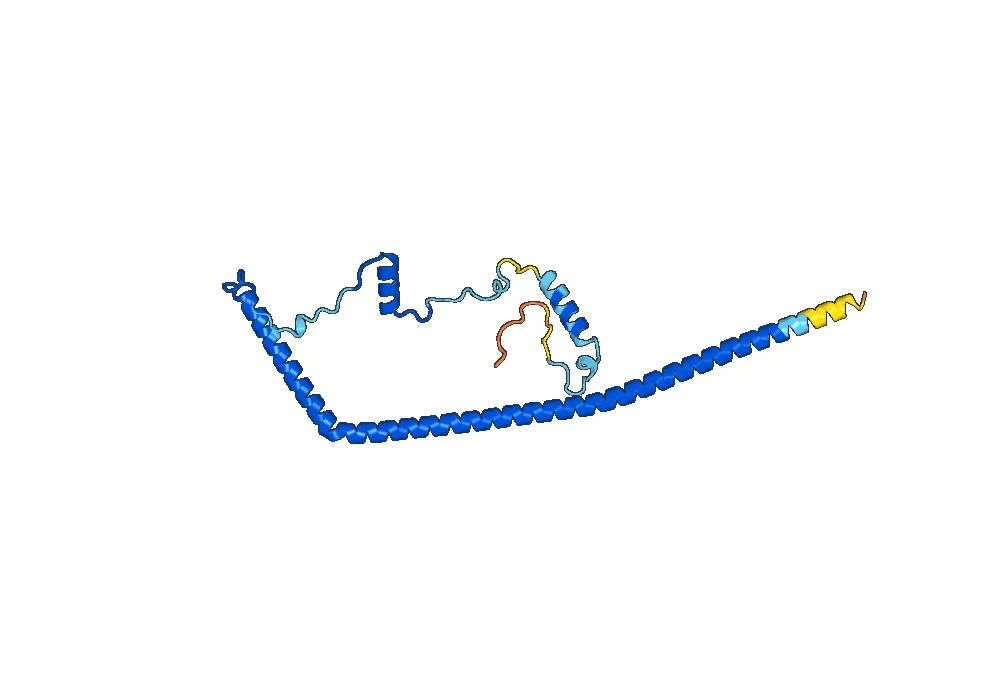
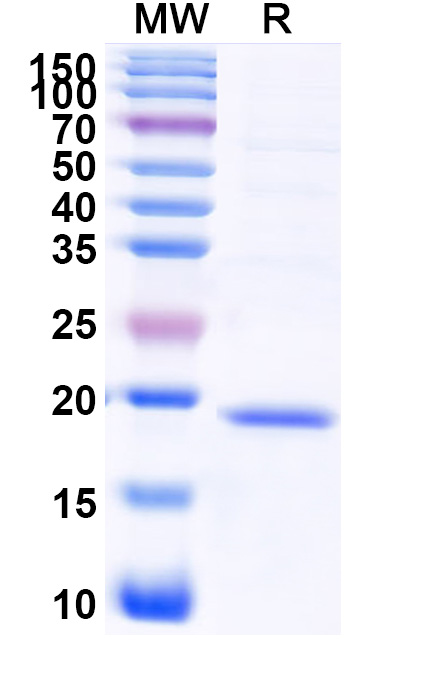
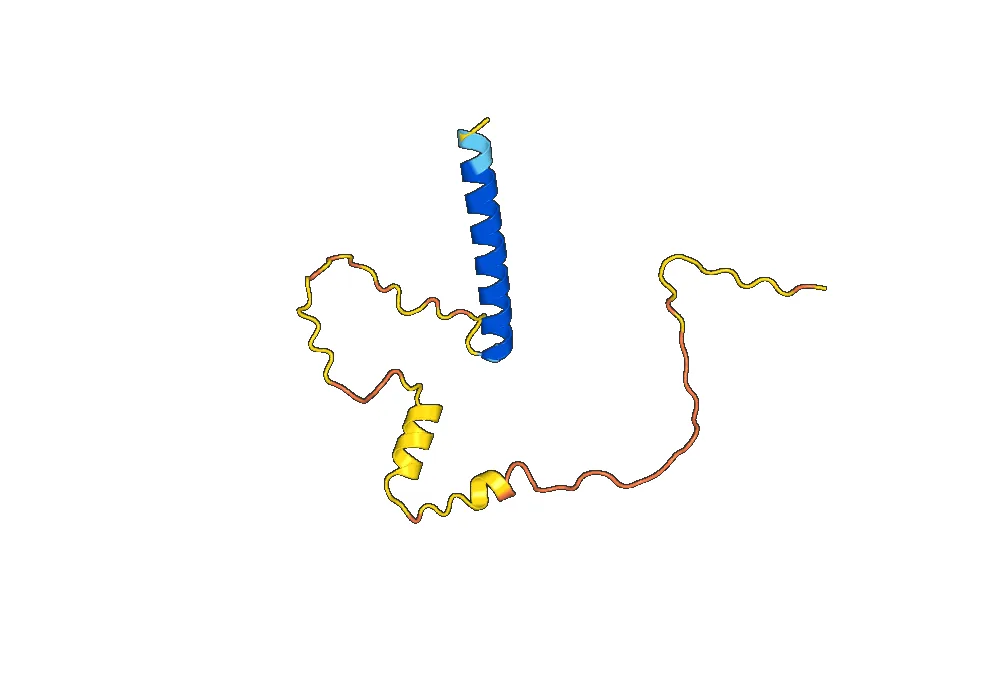
Recombinant Human UCK2 Protein is a 29 kDa protein consisting of 260 amino acids. It belongs to the uridine kinase family and contains a conserved ATP-binding domain. The crystal structure of this protein has been determined, revealing a three-domain structure with the active site located in the central domain. The N-terminal domain is responsible for binding to the substrate, while the C-terminal domain is involved in regulating the enzyme’s activity.
Activity of Recombinant Human UCK2 Protein
Recombinant Human UCK2 Protein plays a crucial role in the metabolism of nucleoside analogs. It catalyzes the phosphorylation of uridine and cytidine analogs, converting them into active forms that can be incorporated into DNA or RNA. This process is essential for the effectiveness of nucleoside analog-based therapies, as it allows these drugs to mimic natural nucleotides and interfere with DNA or RNA synthesis in cancer cells or viruses.
Moreover, Recombinant Human UCK2 Protein has a broad substrate specificity, enabling it to phosphorylate a variety of nucleoside analogs, including gemcitabine, cytarabine, and zidovudine. This makes it a promising target for the development of new and more potent nucleoside analogs for cancer and antiviral treatments.
Application of Recombinant Human UCK2 Protein
The role of Recombinant Human UCK2 Protein in nucleoside analog metabolism makes it a valuable tool in drug discovery and development. Its ability to phosphorylate a wide range of nucleoside analogs allows for the screening and identification of potential candidates for cancer and antiviral therapies. Additionally, this protein can be used in biochemical and pharmacological studies to understand the mechanisms of action of nucleoside analogs and their interactions with other enzymes and proteins.
Furthermore, Recombinant Human UCK2 Protein has potential clinical applications. Its high expression in the liver and kidney suggests that it may play a role in the metabolism of nucleoside analogs used in these organs, such as gemcitabine for liver cancer or tenofovir for HIV treatment. Therefore, this protein could be a biomarker for predicting the response to these drugs and monitoring their efficacy.
Conclusion
In summary, Recombinant Human UCK2 Protein is a key enzyme involved in the metabolism of nucleoside analogs. Its structure, activity, and broad substrate specificity make it a valuable tool in drug discovery and development. Furthermore, its potential clinical applications highlight the importance of understanding this protein’s role in nucleoside analog-based therapies. Further research on Recombinant Human UCK2 Protein may lead to the development of more effective and targeted treatments for cancer and viral infections.



There are no reviews yet.