Introduction
Recombinant Human UMPS Protein is a type of protein that is produced through genetic engineering techniques. It is a combination of the human uridine monophosphate synthetase (UMPS) gene and a vector, which is usually a plasmid or a virus. This protein is widely used in various fields of research and has many potential applications due to its unique structure and activity.
Structure of Recombinant Human UMPS Protein
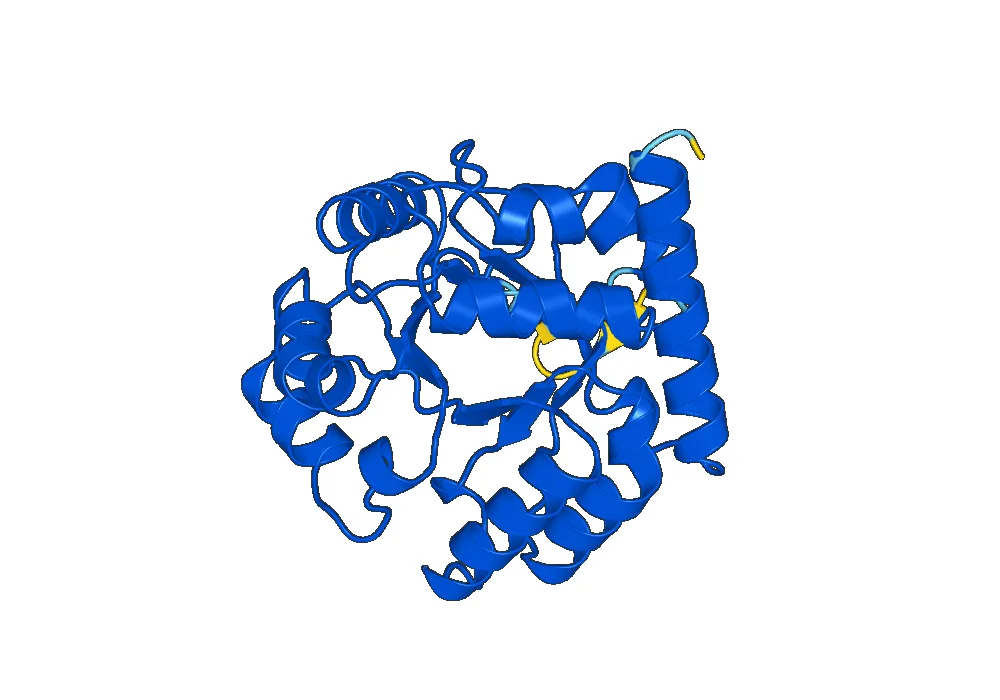
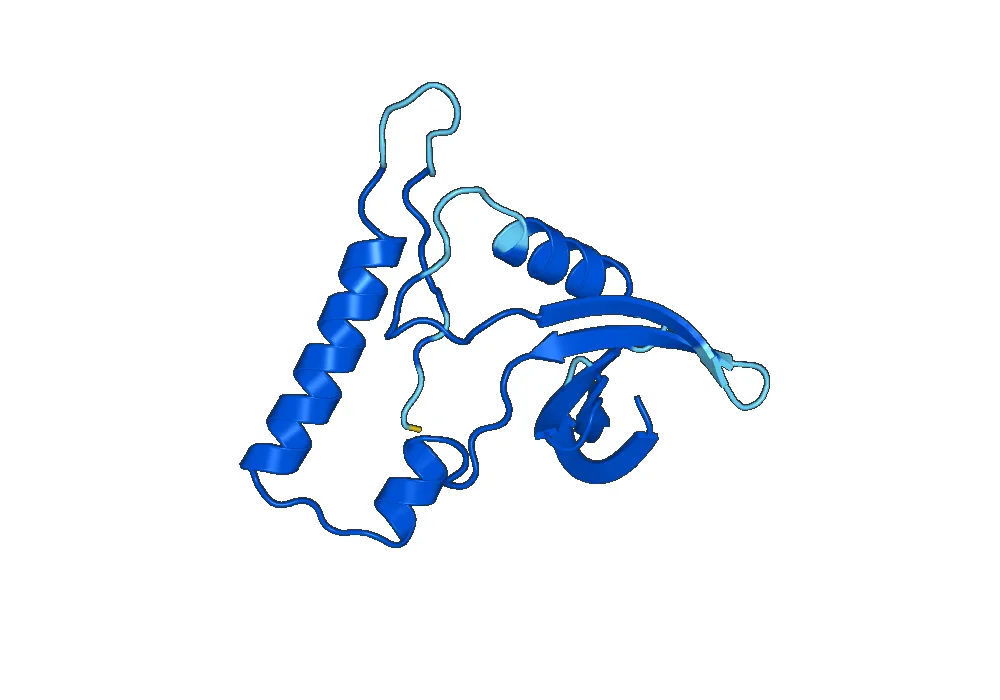
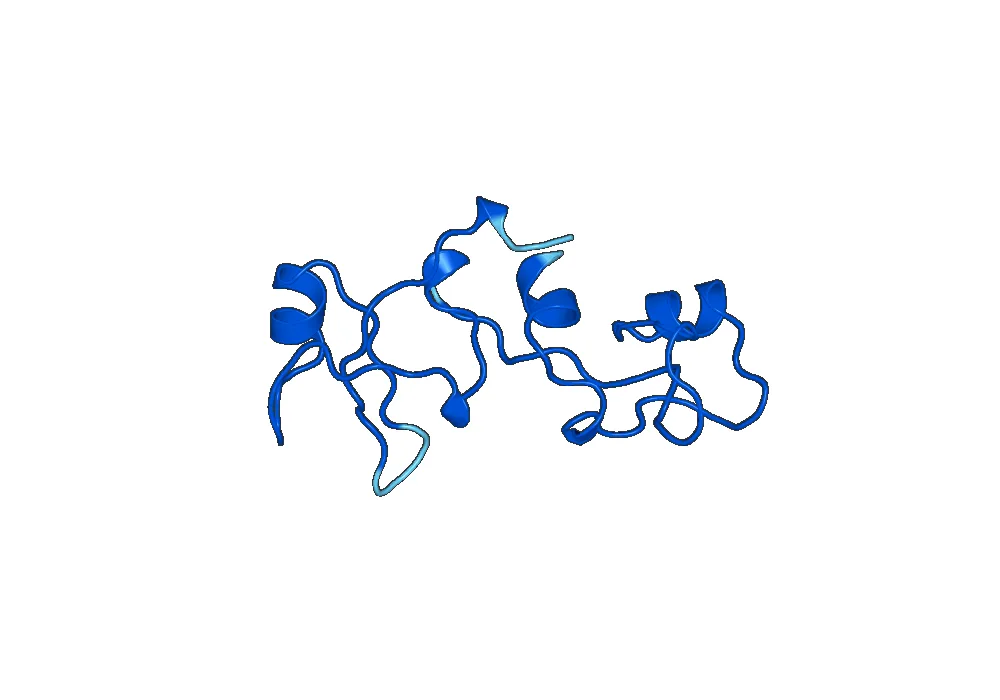
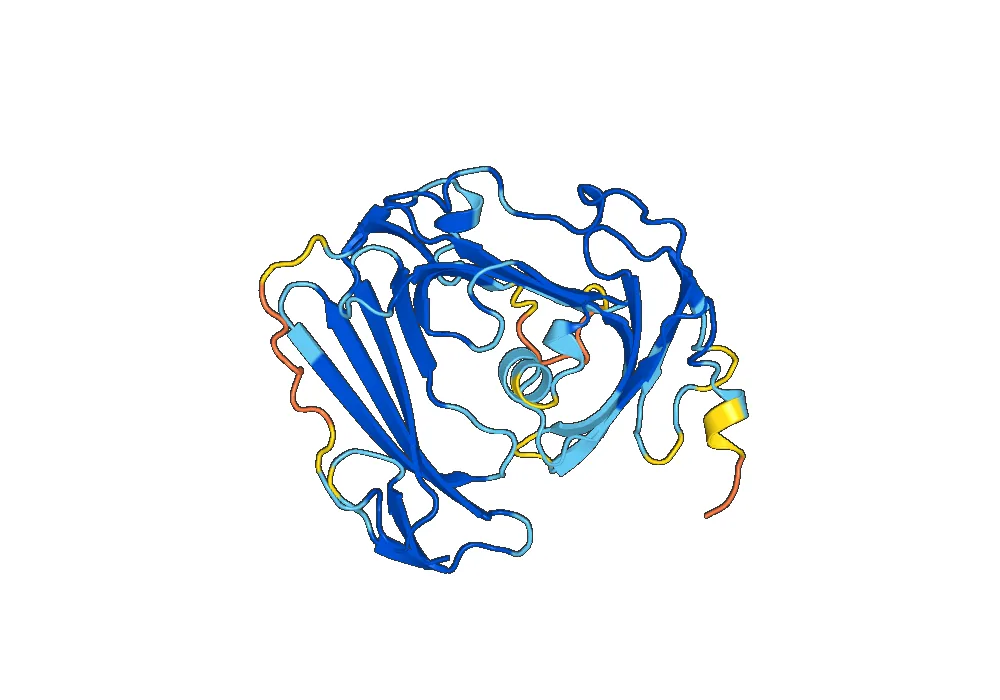
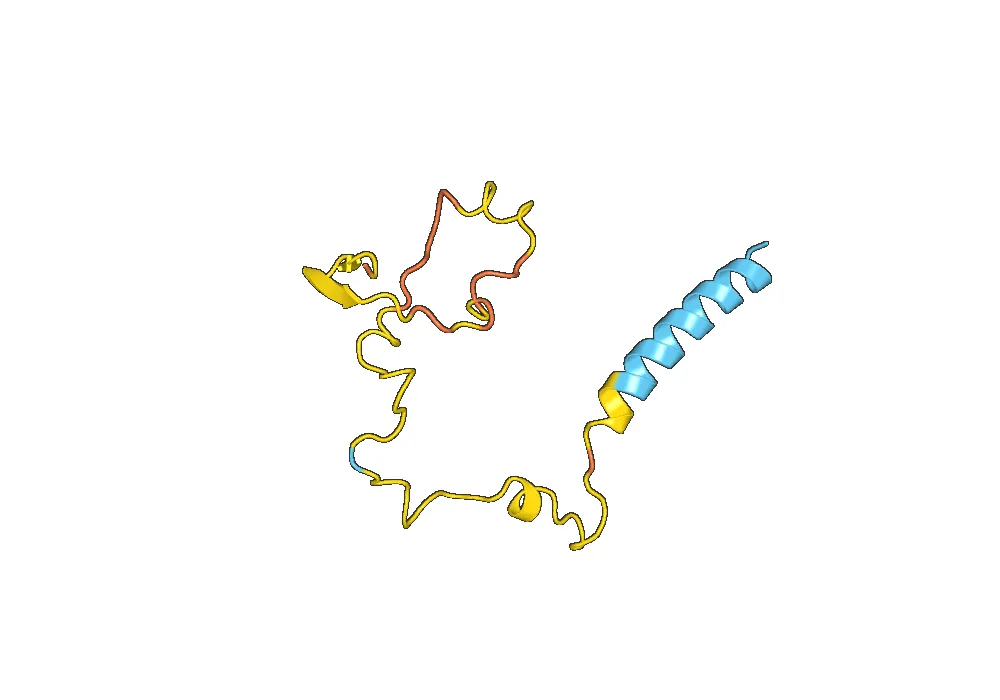
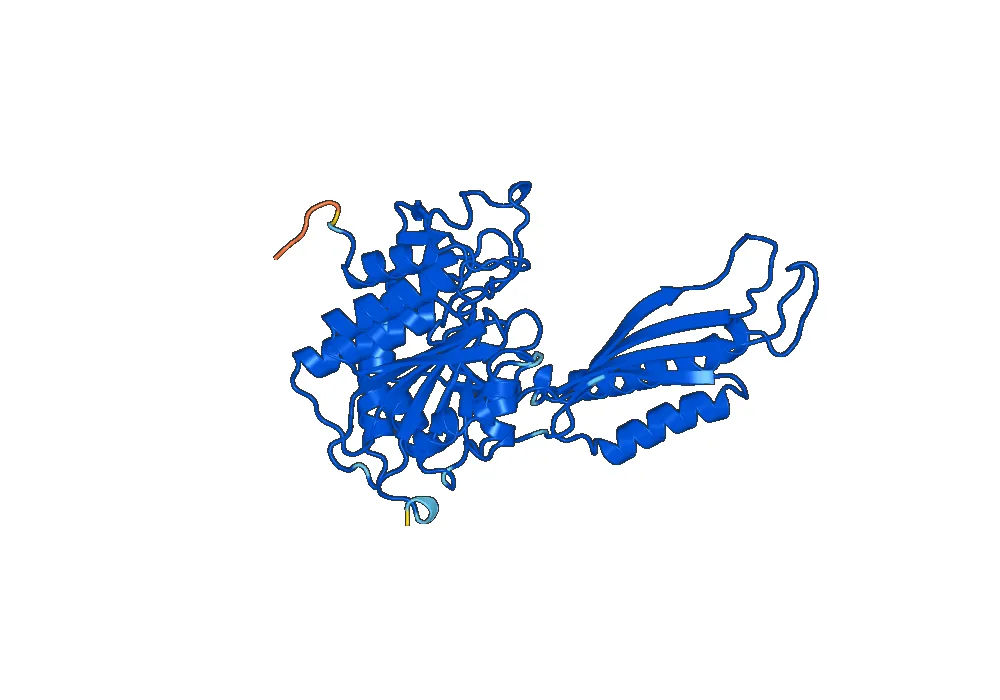
The structure of Recombinant Human UMPS Protein is similar to that of the natural human UMPS protein. It is composed of two subunits, or domains, known as orotate phosphoribosyltransferase (OPRT) and orotidine-5′-phosphate decarboxylase (ODCase). These two domains are connected by a flexible linker region.
The OPRT domain is responsible for the first step in the conversion of orotate to uridine monophosphate (UMP), while the ODCase domain is involved in the second step of the process. This two-step process is essential for the synthesis of UMP, which is a precursor for the production of RNA and DNA in the body.
Activity of Recombinant Human UMPS Protein
The main activity of Recombinant Human UMPS Protein is its ability to catalyze the conversion of orotate to UMP. This is an important step in the de novo pyrimidine biosynthesis pathway, which is crucial for the production of nucleotides in the body. In addition to its enzymatic activity, this protein also has other functions such as binding to specific molecules and interacting with other proteins.
Recombinant Human UMPS Protein has been shown to have high enzymatic activity and stability, making it a valuable tool for various research applications. It is also highly specific, meaning it only catalyzes the conversion of orotate to UMP and does not interfere with other biochemical processes in the body.
Applications of Recombinant Human UMPS Protein
Recombinant Human UMPS Protein has a wide range of applications in both academic and industrial settings. Some of the most common applications include:
- Antigen production: Recombinant Human UMPS Protein can be used as an antigen in immunoassays, such as ELISA, to detect the presence of specific antibodies in a sample. It can also be used as a control in experiments involving antibody-antigen interactions.
- Drug discovery: The de novo pyrimidine biosynthesis pathway, in which Recombinant Human UMPS Protein plays a crucial role, is a target for many antimicrobial and anticancer drugs. This protein can be used in drug screening assays to identify potential inhibitors or activators of the pathway.
- Gene therapy: Mutations in the UMPS gene can lead to a rare metabolic disorder called orotic aciduria. Recombinant Human UMPS Protein can be used in gene therapy to replace the defective UMPS gene and restore normal enzyme activity in affected individuals.
Conclusion
In summary, Recombinant Human UMPS Protein is a valuable tool in the field of biotechnology and has many potential applications. Its unique structure and activity make it a versatile protein that can be used in various research settings. As technology continues to advance, the potential uses of this protein will only continue to grow.



There are no reviews yet.