Introduction
Recombinant Human VTI1A Protein is a highly purified form of the human vesicle transport through interaction with t-SNAREs homolog 1A (VTI1A) protein. It is produced through recombinant DNA technology, where the gene for VTI1A is inserted into a suitable expression system, such as bacteria or yeast, to produce large quantities of the protein.
Structure
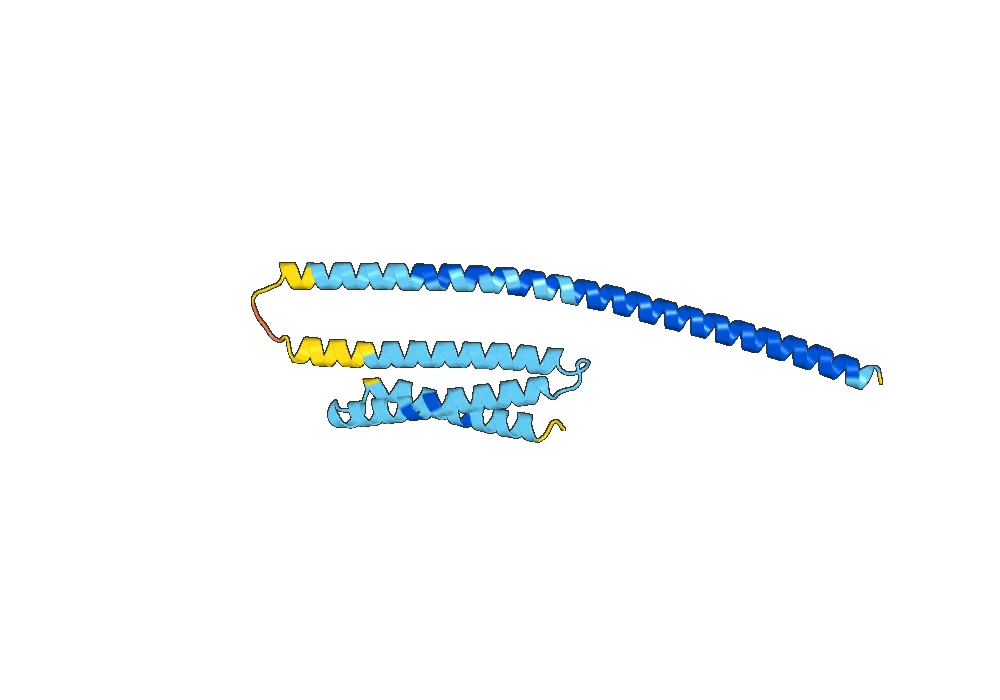
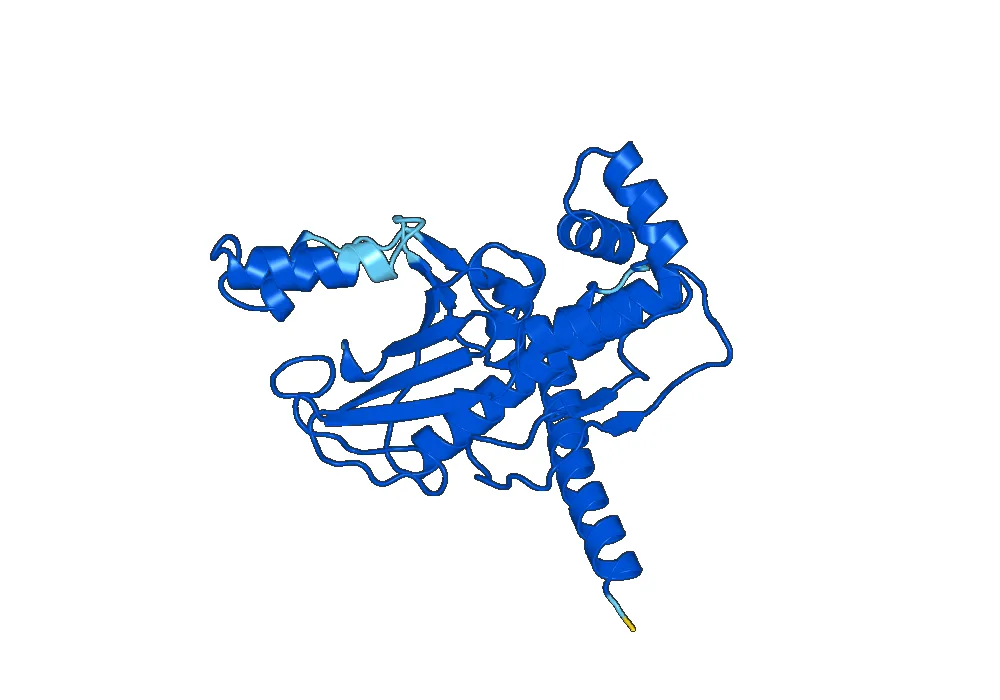
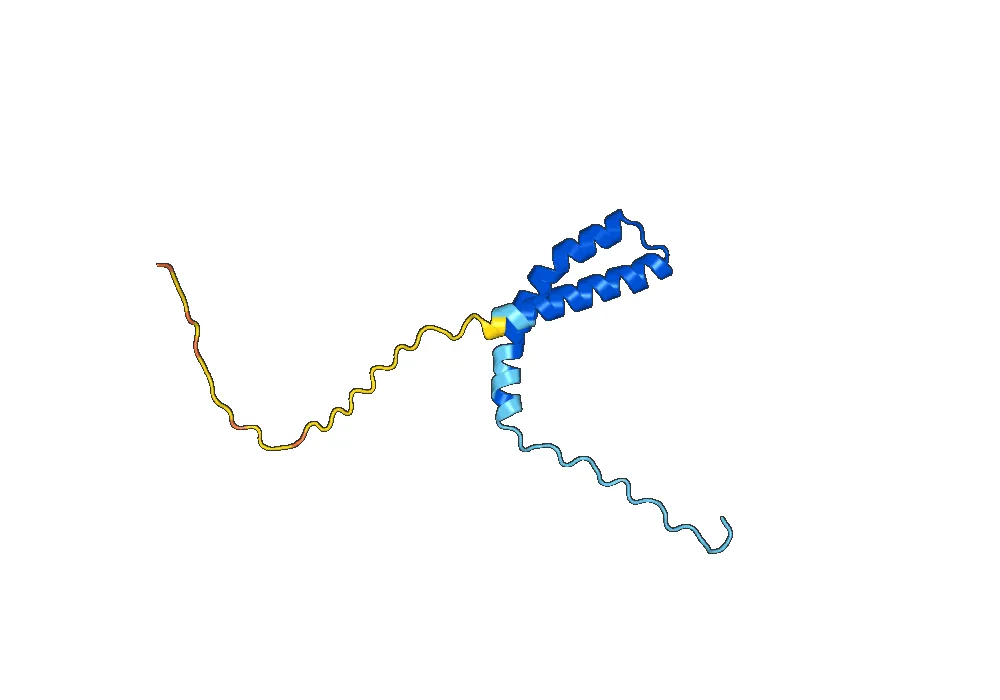
Recombinant Human VTI1A Protein is a single-chain protein consisting of 233 amino acids. It has a molecular weight of approximately 26 kDa. The protein has a transmembrane domain and a cytoplasmic domain, which is responsible for its interaction with other proteins involved in vesicle transport.
Activity
VTI1A is a member of the SNARE protein family, which plays a crucial role in the fusion of transport vesicles with their target membranes. This process is essential for the proper functioning of various cellular processes, including secretion, endocytosis, and intracellular transport. Recombinant Human VTI1A Protein is able to interact with other SNARE proteins, such as SNAP-25 and syntaxin, to form a SNARE complex. This complex facilitates the fusion of vesicles with their target membranes, allowing for the transfer of cargo molecules.
Application
Recombinant Human VTI1A Protein has a wide range of applications in both research and therapeutic settings. Some of the key applications include:
- Cellular transport studies: VTI1A is an essential protein involved in vesicle transport, making it a valuable tool for studying this process in cells. Recombinant Human VTI1A Protein can be used to investigate the role of VTI1A in various cellular pathways and to study the interactions between different SNARE proteins.
- Vaccine development: VTI1A has been identified as an antigen in several bacterial and viral infections. Recombinant Human VTI1A Protein can be used to produce antibodies against VTI1A, which can then be used in vaccine development to prevent these infections.
- Therapeutic target: Abnormalities in vesicle transport have been linked to various diseases, including neurodegenerative disorders and cancer. Recombinant Human VTI1A Protein can be used to study these diseases and potentially identify VTI1A as a therapeutic target for drug development.
- Protein-protein interaction studies: VTI1A interacts with several other proteins involved in vesicle transport. Recombinant Human VTI1A Protein can be used to study these interactions and their role in cellular processes.
- Biotechnology: VTI1A is a valuable protein for biotechnology applications, such as the production of recombinant proteins in mammalian cells. Recombinant Human VTI1A Protein can be used as a fusion partner to improve the yield and stability of target proteins.
Conclusion
Recombinant Human VTI1A Protein is a valuable tool for studying vesicle transport and its role in various cellular processes. Its ability to form a SNARE complex and interact with other proteins makes it a crucial component in these pathways. With its wide range of applications, this protein has significant potential in both research and therapeutic settings.


There are no reviews yet.