Introduction
Recombinant Mouse CD159a/KLRC1 Protein, also known as Killer Cell Lectin-like Receptor 1 (KLR1), is a type II transmembrane protein that belongs to the C-type lectin superfamily. It is encoded by the Klrc1 gene and is predominantly expressed on natural killer (NK) cells, as well as some subsets of T cells and monocytes.
Structure
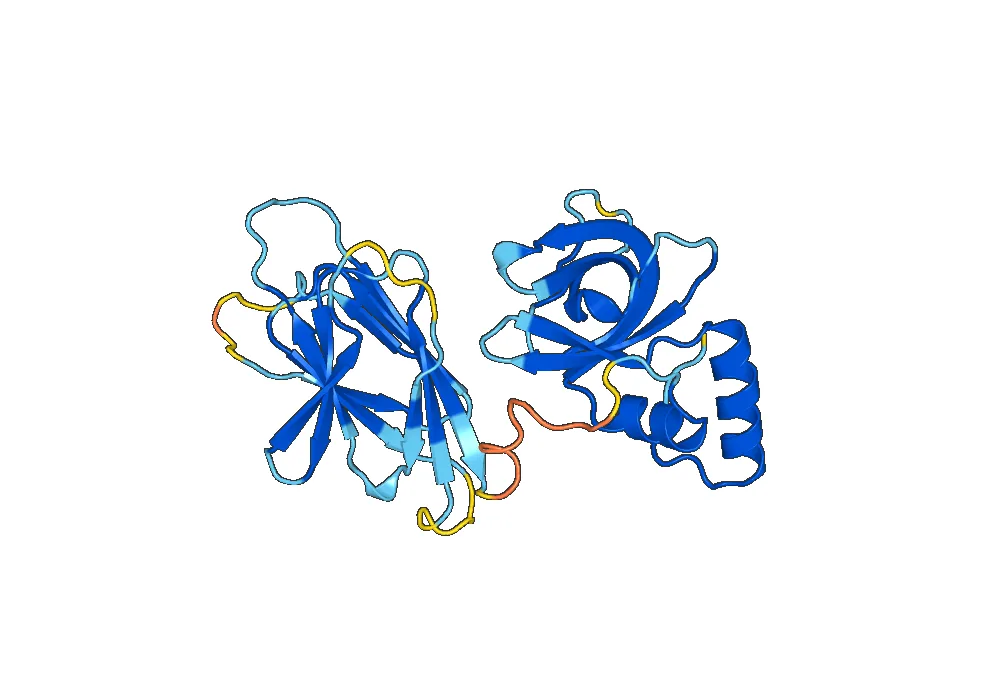
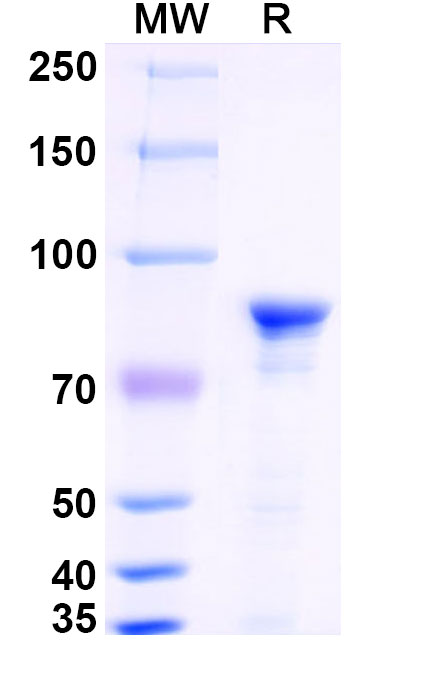
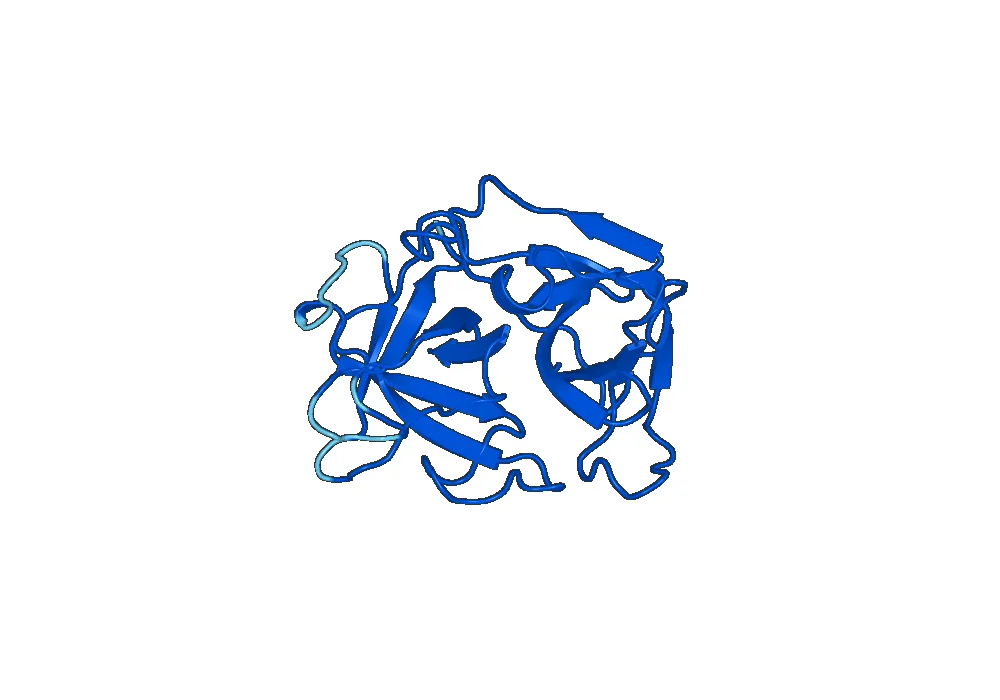
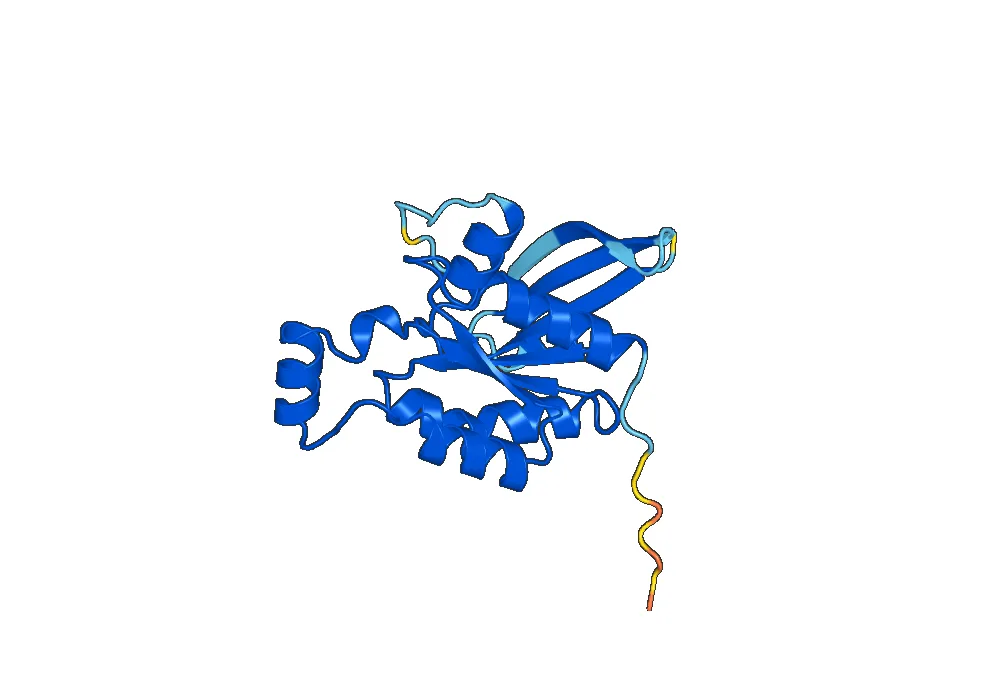
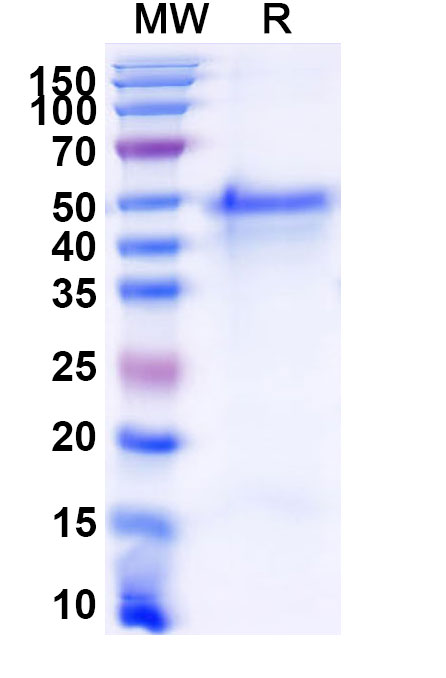
The recombinant protein is produced by cloning and expressing the Klrc1 gene in a suitable host cell, such as E. coli or mammalian cells. The resulting protein consists of 182 amino acids and has a predicted molecular weight of approximately 20 kDa. It contains a single extracellular C-type lectin-like domain, a transmembrane region, and a short cytoplasmic tail.
The extracellular domain of CD159a/KLRC1 is responsible for binding to its ligand, the non-classical major histocompatibility complex (MHC) class I molecule, HLA-E. This interaction is crucial for the activation and regulation of NK cell function.
Activity
As a member of the C-type lectin superfamily, CD159a/KLRC1 is involved in the recognition of carbohydrate structures on the surface of target cells. However, its role in NK cell function goes beyond this traditional lectin activity.
CD159a/KLRC1 has been shown to act as an activating receptor on NK cells, promoting their cytotoxicity and cytokine production. It can also act as an inhibitory receptor, dampening NK cell activity in certain contexts. This dual function is dependent on the expression levels of its ligand, HLA-E, on target cells.
In addition to its role in NK cell function, CD159a/KLRC1 has also been implicated in T cell activation and differentiation. It has been shown to promote the production of pro-inflammatory cytokines in T cells, as well as regulate their proliferation and survival.
Application
The recombinant form of CD159a/KLRC1 has a wide range of applications in both basic research and clinical settings. It can be used as a tool to study the function and regulation of NK cells, T cells, and monocytes in various disease models.
One major application of recombinant CD159a/KLRC1 is in the development of therapeutics for cancer and infectious diseases. Its role in promoting NK cell cytotoxicity and cytokine production makes it an attractive target for immunotherapy. In fact, several clinical trials are currently underway to investigate the use of CD159a/KLRC1-targeting antibodies in cancer treatment.
In addition, recombinant CD159a/KLRC1 can also be used for the development of diagnostic assays to detect levels of HLA-E and CD159a/KLRC1 expression on cells, which may serve as biomarkers for certain diseases.
Conclusion
In summary, Recombinant Mouse CD159a/KLRC1 Protein is a key player in the regulation of NK cell and T cell function. Its structure, activity, and applications make it a valuable tool for studying immune responses and developing novel therapeutics. Further research on this protein and its interactions with other immune cells and ligands may uncover new insights into its role in health and disease.


There are no reviews yet.