Introduction to Recombinant Rat SCNN1A/SCNN1 Protein
Recombinant Rat SCNN1A/SCNN1 Protein is a highly purified and biologically active protein that is produced through recombinant DNA technology. This protein is an important component of the epithelial sodium channel (ENaC), which plays a crucial role in maintaining the balance of sodium ions in the body. In this article, we will discuss the structure, activity, and applications of Recombinant Rat SCNN1A/SCNN1 Protein.
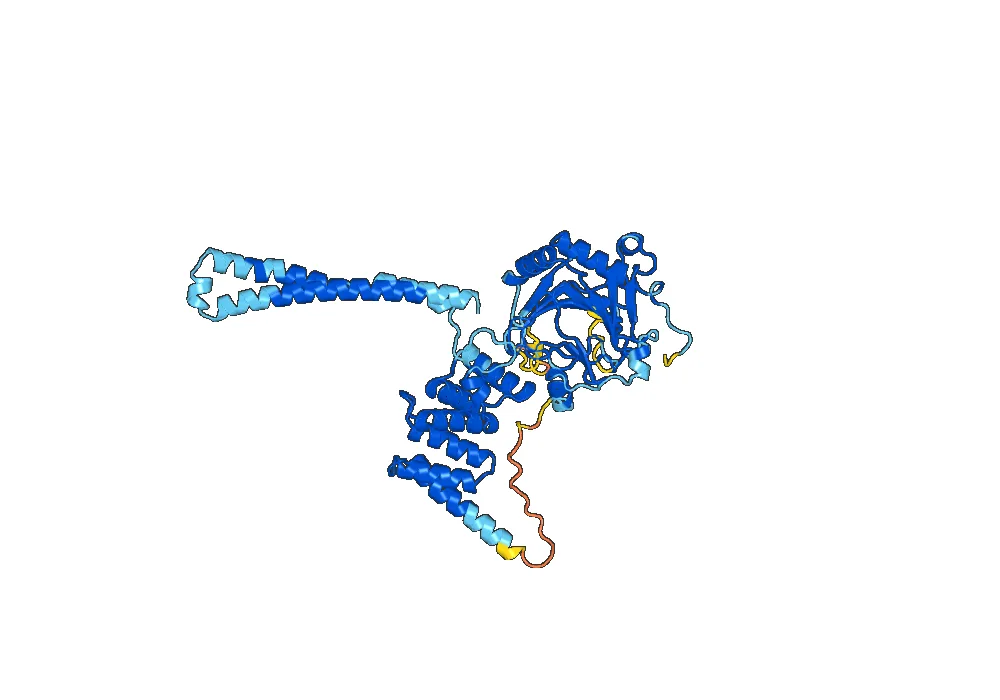
Structure of Recombinant Rat SCNN1A/SCNN1 Protein
The Recombinant Rat SCNN1A/SCNN1 Protein is a heteromeric protein complex consisting of three subunits: alpha, beta, and gamma. The alpha subunit is encoded by the SCNN1A gene, while the beta and gamma subunits are encoded by the SCNN1B and SCNN1G genes, respectively. These subunits are arranged in a specific stoichiometry, with two alpha subunits and one each of beta and gamma subunits forming the functional channel.
The alpha subunit is the largest subunit, with a molecular weight of approximately 70 kDa. It contains two transmembrane domains connected by a large extracellular loop. The beta and gamma subunits are smaller, with molecular weights of 55 kDa and 50 kDa, respectively. They also have two transmembrane domains each, but their extracellular loops are shorter compared to the alpha subunit.
Activity of Recombinant Rat SCNN1A/SCNN1 Protein
The main function of Recombinant Rat SCNN1A/SCNN1 Protein is to form a sodium-selective ion channel in the epithelial cells of various tissues, including the kidney, lung, and colon. This channel is responsible for the transport of sodium ions from the lumen of these tissues into the cells, thereby maintaining the sodium balance in the body.
The activity of Recombinant Rat SCNN1A/SCNN1 Protein is regulated by various factors, including hormones, such as aldosterone and vasopressin, and mechanical forces, such as fluid flow and shear stress. These factors can alter the expression and activity of the ENaC channel, thereby affecting the sodium balance in the body.
Applications of Recombinant Rat SCNN1A/SCNN1 Protein
Recombinant Rat SCNN1A/SCNN1 Protein has various applications in both research and clinical settings. In research, this protein is used to study the structure and function of the ENaC channel. It is also used to investigate the role of ENaC in various physiological and pathological conditions, such as hypertension, edema, and cystic fibrosis.
In clinical settings, Recombinant Rat SCNN1A/SCNN1 Protein is used as an antigen in diagnostic tests for certain diseases, such as Liddle syndrome, a rare genetic disorder characterized by excessive sodium reabsorption. This protein can also be used as a therapeutic target for the treatment of diseases associated with dysregulated sodium balance, such as hypertension and congestive heart failure.
Conclusion
Recombinant Rat SCNN1A/SCNN1 Protein is a crucial component of the ENaC channel, which plays a vital role in maintaining the sodium balance in the body. This protein has a specific structure and is regulated by various factors. It has numerous applications in research and clinical settings, making it a valuable tool in understanding and treating diseases associated with sodium imbalance.
In summary, Recombinant Rat SCNN1A/SCNN1 Protein is a highly purified and biologically active protein that has a significant impact on our understanding and treatment of various diseases. Its use in both research and clinical settings highlights its importance as a key player in maintaining the body’s sodium balance.


There are no reviews yet.