The Structure of Recombinant Vibrio cholerae serotype O1 RctB Protein
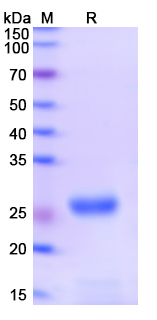
Recombinant Vibrio cholerae serotype O1 RctB protein is a highly conserved protein that plays a crucial role in the pathogenesis of cholera. It is a 22-kDa protein that is encoded by the rctB gene, located on the Vibrio cholerae chromosome. The protein is composed of 202 amino acids and has a molecular weight of 22 kDa.
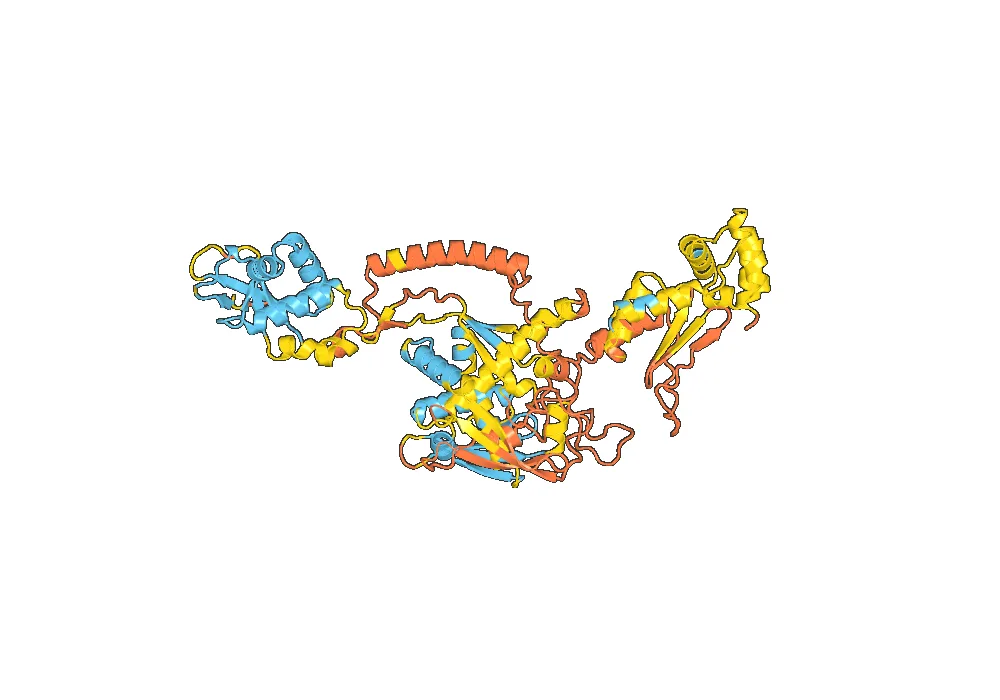
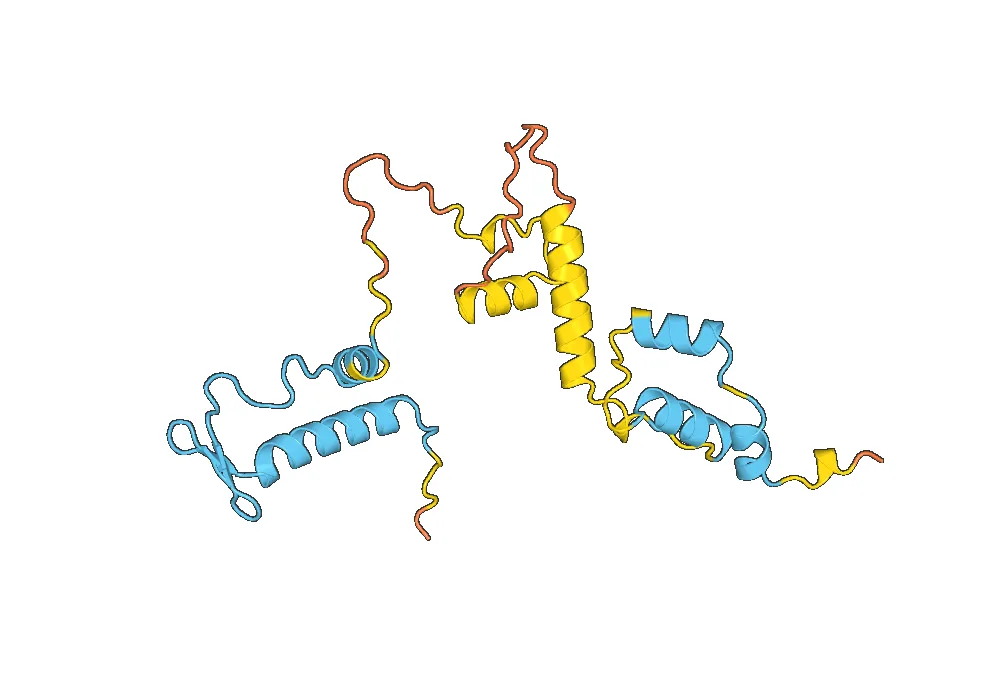
The structure of RctB protein consists of two domains, an N-terminal DNA-binding domain and a C-terminal dimerization domain. The DNA-binding domain contains a helix-turn-helix motif, which allows the protein to bind to specific DNA sequences. The dimerization domain is responsible for the formation of homodimers, which are essential for the proper functioning of the protein.
The Activity of Recombinant Vibrio cholerae serotype O1 RctB Protein
The primary function of RctB protein is to regulate the expression of virulence genes in Vibrio cholerae. It acts as a transcriptional activator, binding to specific DNA sequences and promoting the expression of genes involved in virulence, such as the cholera toxin gene. This process is crucial for the bacteria to cause infection and disease in the host.
In addition to its role in virulence gene expression, RctB protein is also involved in DNA replication and cell division. It interacts with other proteins, such as RctA and RctC, to form a complex that initiates DNA replication. This process is essential for the bacteria to multiply and spread within the host.
The Application of Recombinant Vibrio cholerae serotype O1 RctB Protein
The recombinant form of RctB protein has been extensively studied for its potential use as a vaccine candidate against cholera. It has been shown to induce a strong immune response in animal models, making it a promising antigen for vaccine development.
In one study, mice were immunized with recombinant RctB protein and were protected against a lethal dose of Vibrio cholerae. This indicates that RctB protein has the potential to be used as a protective antigen in a cholera vaccine.
Furthermore, recombinant RctB protein has been used in diagnostic tests for the detection of Vibrio cholerae. It has been shown to be highly specific and sensitive, making it a valuable tool for the rapid diagnosis of cholera.
Another potential application of recombinant RctB protein is in the development of new drugs to treat cholera. As RctB protein is involved in the regulation of virulence genes, targeting this protein could potentially disrupt the bacteria’s ability to cause infection and disease.
Conclusion
In summary, recombinant Vibrio cholerae serotype O1 RctB protein is a vital protein in the pathogenesis of cholera. Its structure, consisting of two domains, allows it to bind to specific DNA sequences and regulate the expression of virulence genes. The protein has multiple functions, including transcriptional activation, DNA replication, and cell division. Its potential applications in vaccine development, diagnostics, and drug discovery make it a promising target for further research.

There are no reviews yet.