Structure of Remternetug Biosimilar – Anti-Abeta42 mAb
Remternetug Biosimilar – Anti-Abeta42 mAb is a monoclonal antibody (mAb) that is designed to target and bind to amyloid-beta 42 (Abeta42), a protein that is known to play a critical role in the development and progression of Alzheimer’s disease. The antibody is produced using recombinant DNA technology and is a biosimilar version of the original antibody, which has been approved for therapeutic use in Alzheimer’s patients.
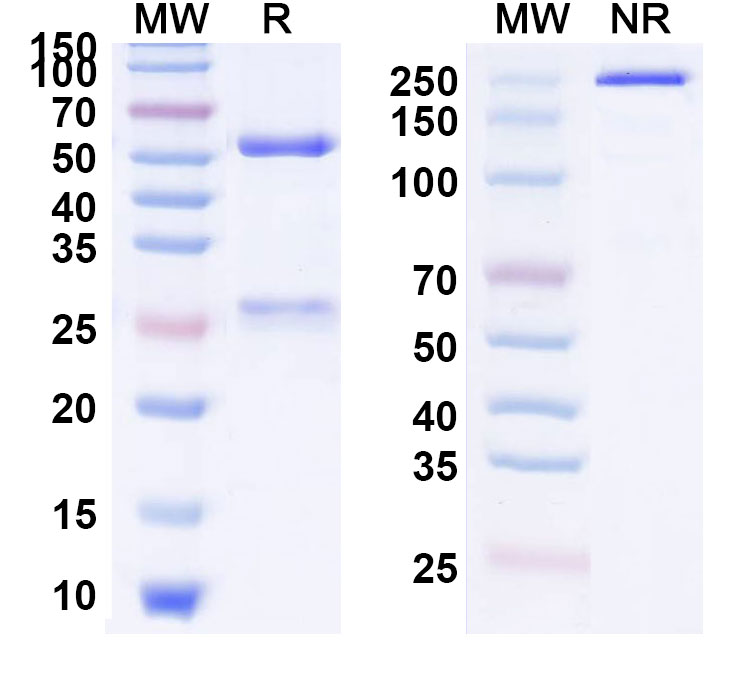
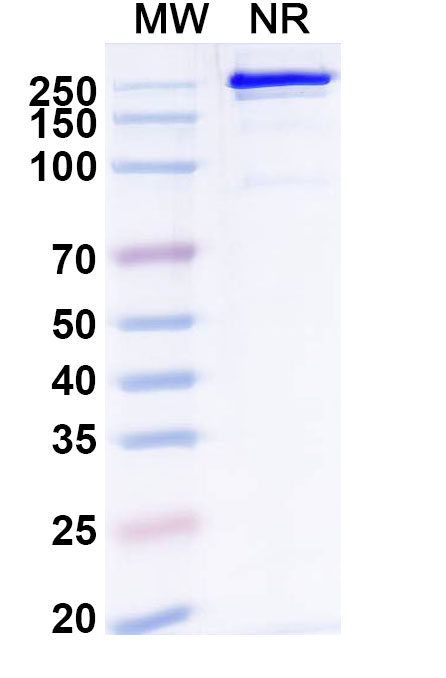
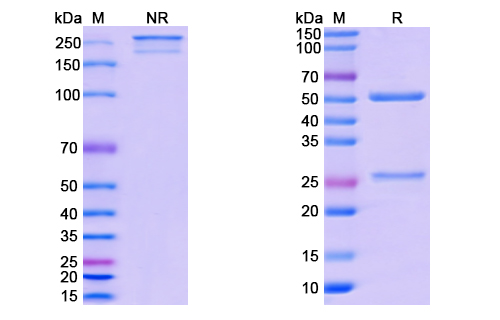
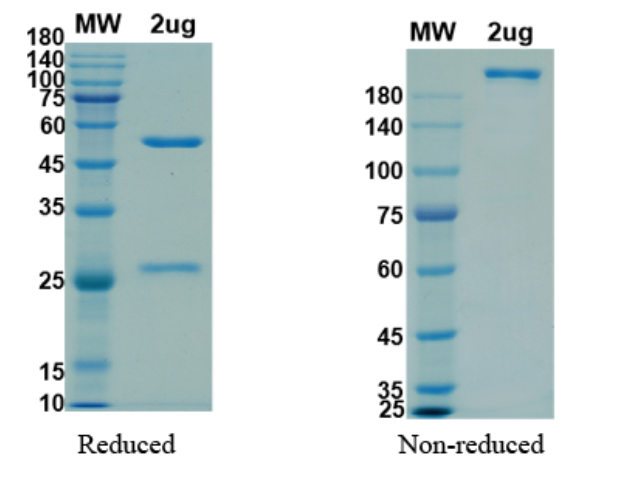
The structure of Remternetug Biosimilar – Anti-Abeta42 mAb is similar to that of a typical antibody, with a Y-shaped molecule composed of two heavy chains and two light chains. The heavy chains are approximately 50 kDa in size and contain a variable region that is responsible for binding to Abeta42, as well as a constant region that determines the antibody’s effector functions. The light chains are approximately 25 kDa in size and also contain a variable and constant region.
Activity of Remternetug Biosimilar – Anti-Abeta42 mAb
The primary activity of Remternetug Biosimilar – Anti-Abeta42 mAb is to bind to Abeta42 and prevent its aggregation into toxic forms, such as amyloid plaques. This is achieved through the antibody’s variable region, which recognizes and binds to specific regions of the Abeta42 protein. By binding to Abeta42, the antibody can prevent it from interacting with other Abeta42 molecules and forming toxic aggregates.
In addition to its binding activity, Remternetug Biosimilar – Anti-Abeta42 mAb also has effector functions that can contribute to its therapeutic activity. These include the ability to activate the immune system to clear Abeta42 and the ability to cross the blood-brain barrier, allowing the antibody to reach its target in the brain.
Application of Remternetug Biosimilar – Anti-Abeta42 mAb
Remternetug Biosimilar – Anti-Abeta42 mAb is primarily used for research purposes, particularly in the study of Alzheimer’s disease. The antibody can be used to investigate the role of Abeta42 in the disease and to evaluate potential therapeutic strategies that target this protein.
However, there is also potential for Remternetug Biosimilar – Anti-Abeta42 mAb to be used as a therapeutic agent in the treatment of Alzheimer’s disease. Clinical trials are currently underway to evaluate the safety and efficacy of the antibody in patients with mild to moderate Alzheimer’s disease. If successful, Remternetug Biosimilar – Anti-Abeta42 mAb could potentially slow the progression of the disease and improve cognitive function in patients.
Conclusion
In summary, Remternetug Biosimilar – Anti-Abeta42 mAb is a monoclonal antibody that is designed to target and bind to Abeta42, a protein implicated in Alzheimer’s disease. Its structure is similar to that of a typical antibody, with a Y-shaped molecule composed of heavy and light chains. The primary activity of the antibody is to bind to Abeta42 and prevent its aggregation, and it also has effector functions that contribute to its therapeutic potential. While it is currently used for research purposes, there is potential for Remternetug Biosimilar – Anti-Abeta42 mAb to be used as a therapeutic agent in the treatment of Alzheimer’s disease.


There are no reviews yet.