Introduction to Research Grade Fabrazyme/Agalsidase Alfa
Research Grade Fabrazyme, also known as Agalsidase Alfa, is a therapeutic antibody used in the treatment of Fabry disease. This disease is a rare, inherited lysosomal storage disorder that affects approximately 1 in 40,000 to 60,000 individuals worldwide. Fabrazyme is a recombinant form of the enzyme alpha-galactosidase A, which is deficient in patients with Fabry disease. In this article, we will explore the structure, activity, and application of Research Grade Fabrazyme/Agalsidase Alfa.
Structure of Research Grade Fabrazyme/Agalsidase Alfa
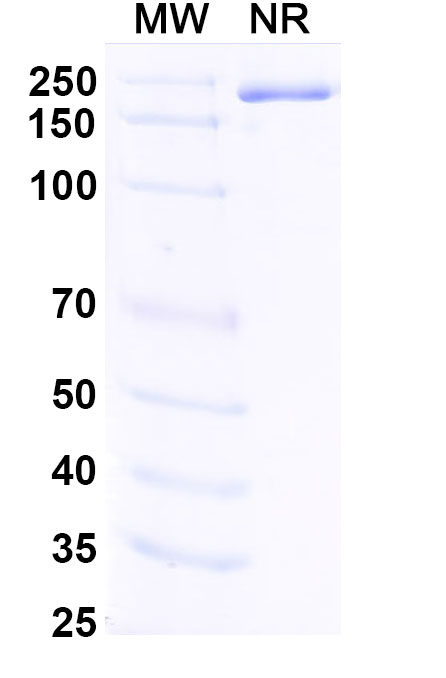
Research Grade Fabrazyme is a monoclonal antibody that is produced using recombinant DNA technology. It is a genetically engineered form of the enzyme alpha-galactosidase A, which is responsible for breaking down a specific type of fat called globotriaosylceramide (GL-3). This enzyme is produced in Chinese hamster ovary (CHO) cells, which have been modified to produce the human form of alpha-galactosidase A. The final product is a glycosylated protein with a molecular weight of approximately 50 kDa.
Activity of Research Grade Fabrazyme/Agalsidase Alfa
Fabrazyme works by replacing the deficient or dysfunctional alpha-galactosidase A enzyme in patients with Fabry disease. This enzyme is responsible for breaking down GL-3, which accumulates in various tissues and organs in patients with Fabry disease. By replacing the missing enzyme, Fabrazyme helps to reduce the buildup of GL-3 and prevent further damage to the body.
Fabrazyme is administered intravenously and is designed to target the lysosomes, which are responsible for breaking down and recycling cellular waste. Once inside the lysosomes, Fabrazyme binds to GL-3 and breaks it down into smaller, more manageable molecules that can be eliminated from the body. This process helps to reduce the buildup of GL-3 and alleviate the symptoms of Fabry disease.
Application of Research Grade Fabrazyme/Agalsidase Alfa
Research Grade Fabrazyme is primarily used in the treatment of Fabry disease, a rare genetic disorder that affects multiple organs and systems in the body. It is indicated for use in both adult and pediatric patients with Fabry disease and has been shown to improve symptoms such as neuropathic pain, gastrointestinal issues, and kidney function.
In addition to its use in patients with Fabry disease, Research Grade Fabrazyme is also used in research and development studies to investigate new treatment options for this rare disease. It is also used in preclinical studies to better understand the underlying mechanisms of Fabry disease and to develop new therapies.
Conclusion
Research Grade Fabrazyme, or Agalsidase Alfa, is a therapeutic antibody used in the treatment of Fabry disease. It is a recombinant form of the enzyme alpha-galactosidase A and works by replacing the deficient or dysfunctional enzyme in patients with Fabry disease. This helps to reduce the buildup of GL-3 and alleviate the symptoms of this rare genetic disorder. In addition to its therapeutic use, Research Grade Fabrazyme is also an important tool in research and development studies for Fabry disease.
There are no reviews yet.