Introduction
Samrotamab Biosimilar, also known as Anti-LRRC15 mAb, is a research grade monoclonal antibody that has shown promising results in preclinical studies as a potential therapeutic agent. This antibody specifically targets LRRC15, a protein that has been implicated in various diseases and has been identified as a potential therapeutic target. In this article, we will discuss the structure, activity, and potential applications of Samrotamab Biosimilar.
Structure of Samrotamab Biosimilar
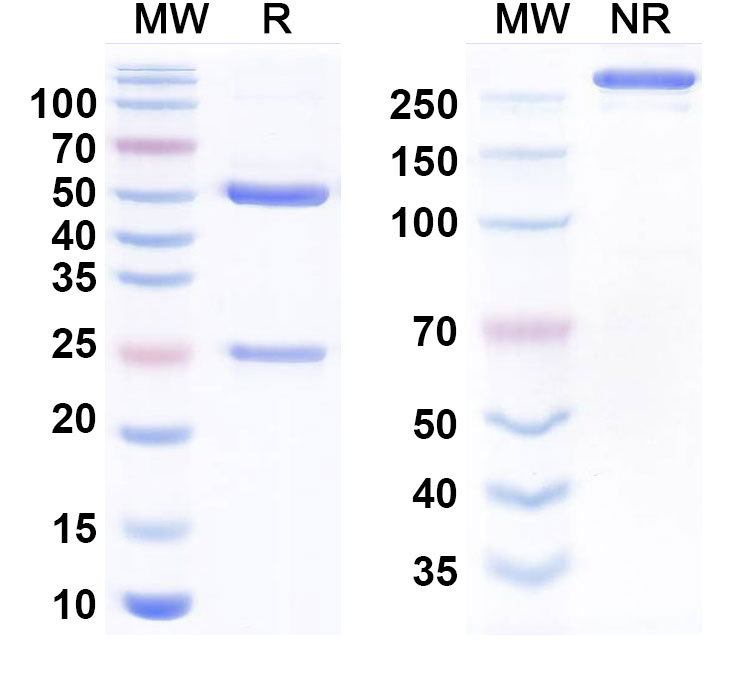
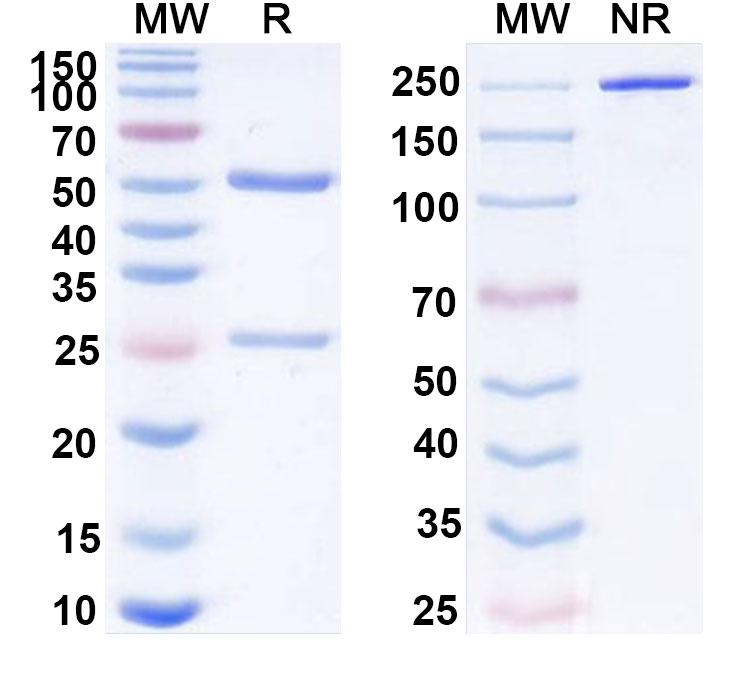
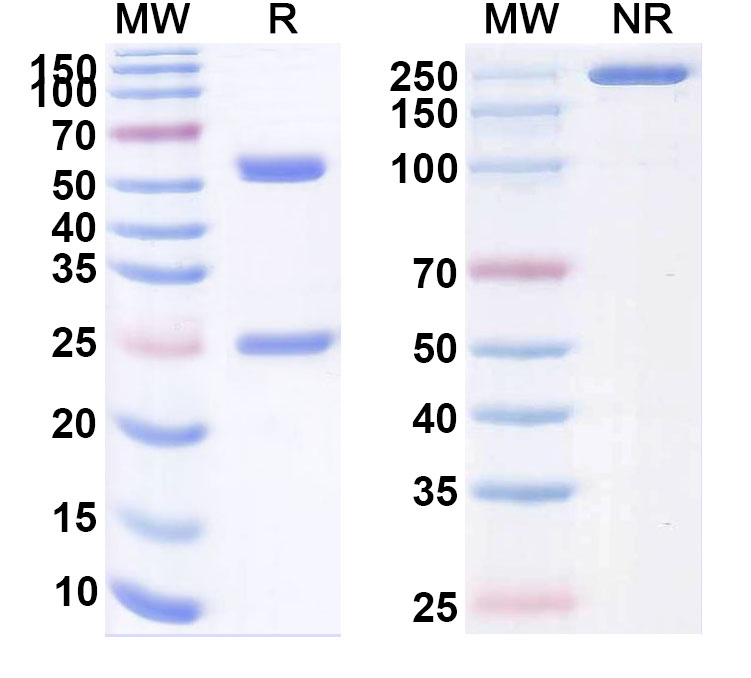
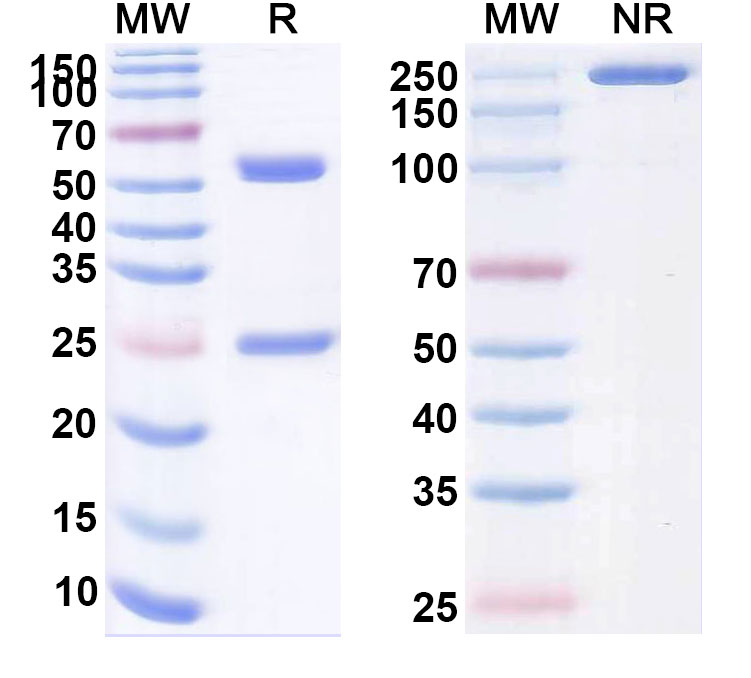
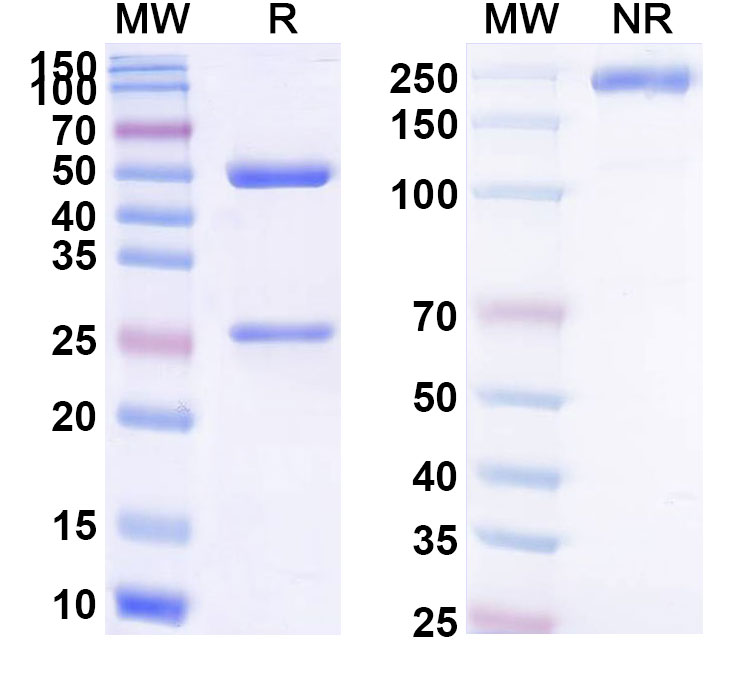
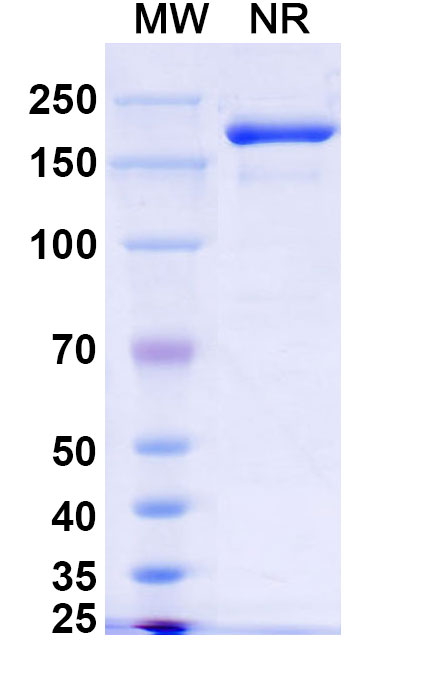
Samrotamab Biosimilar is a monoclonal antibody, meaning it is produced by a single type of immune cell and is therefore highly specific in its target binding. The antibody is composed of two heavy chains and two light chains, which are linked together by disulfide bonds. The heavy and light chains contain variable regions that determine the specificity of the antibody for its target, LRRC15.
Activity of Samrotamab Biosimilar
Samrotamab Biosimilar works by binding to LRRC15, a protein that is expressed on the surface of certain cells. LRRC15 has been found to play a role in various diseases, including cancer and autoimmune disorders. By targeting LRRC15, Samrotamab Biosimilar can potentially block its activity and disrupt disease progression.
In addition to its direct binding activity, Samrotamab Biosimilar also has the ability to recruit immune cells to the site of LRRC15 expression. This can lead to a more robust immune response against cells expressing LRRC15, making Samrotamab Biosimilar a potential immunotherapy agent.
Applications of Samrotamab Biosimilar
The potential applications of Samrotamab Biosimilar are vast, given the wide range of diseases that involve LRRC15. Some of the potential therapeutic indications for this antibody include:
Cancer LRRC15 has been found to be overexpressed in various types of cancer, including lung, breast, and colon cancer. By targeting LRRC15, Samrotamab Biosimilar has the potential to inhibit tumor growth and metastasis. It may also be used in combination with other cancer treatments to enhance their efficacy.
Autoimmune disorders
LRRC15 has been implicated in the development and progression of autoimmune disorders such as rheumatoid arthritis and multiple sclerosis. By blocking LRRC15, Samrotamab Biosimilar may be able to reduce inflammation and improve symptoms in these conditions.
Inflammatory diseases
In addition to autoimmune disorders, LRRC15 has also been linked to various inflammatory diseases such as asthma and inflammatory bowel disease. Samrotamab Biosimilar may be able to reduce inflammation and improve symptoms in these conditions by targeting LRRC15.
Infectious diseases
LRRC15 has been found to be involved in the immune response to certain infectious diseases, such as tuberculosis. By targeting LRRC15, Samrotamab Biosimilar may be able to enhance the immune response and aid in the clearance of the infectious agent.
Conclusion
In conclusion, Samrotamab Biosimilar is a research grade monoclonal antibody that specifically targets LRRC15, a protein implicated in various diseases. Its unique structure and activity make it a promising therapeutic agent with potential applications in cancer, autoimmune disorders, inflammatory diseases, and infectious diseases. Further research and clinical trials are needed to fully understand the potential of Samrotamab Biosimilar and its role in treating these conditions.

There are no reviews yet.