Introduction
Simridarlimab Biosimilar, also known as Anti-PDL1 & MER6 mAb, is a novel antibody that has shown promising results in the field of immunotherapy. It is a research grade antibody that targets the programmed death-ligand 1 (PDL1) and MER proto-oncogene tyrosine kinase (MER) proteins. In this article, we will discuss the structure, activity, and potential applications of this antibody.
Structure of Simridarlimab Biosimilar
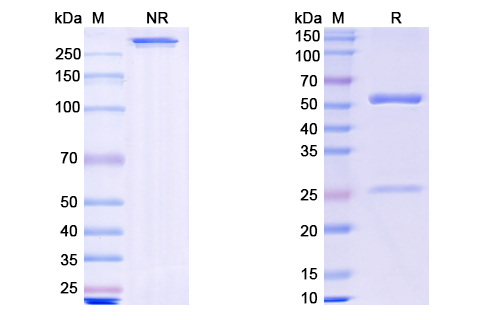
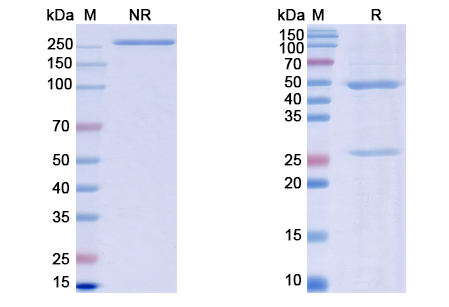
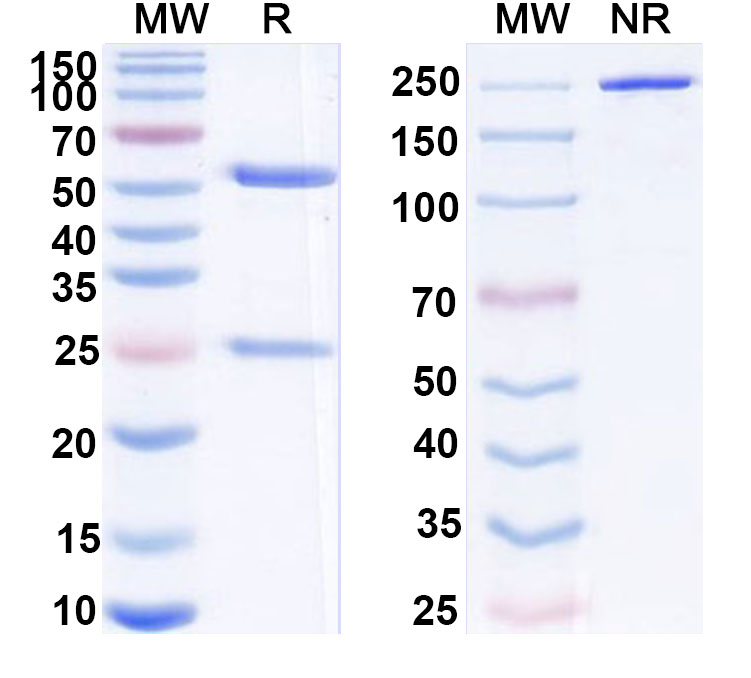
Simridarlimab Biosimilar is a monoclonal antibody, meaning it is produced from a single type of immune cell. It is a humanized antibody, which means it is derived from non-human sources but has been modified to resemble a human antibody. The antibody has a molecular weight of approximately 150 kDa and is composed of two heavy chains and two light chains. The heavy chains consist of four constant regions (CH1, CH2, CH3, and CH4) and one variable region (VH), while the light chains consist of two constant regions (CL) and one variable region (VL). The variable regions are responsible for binding to the target proteins, PDL1 and MER.
Activity of Simridarlimab Biosimilar
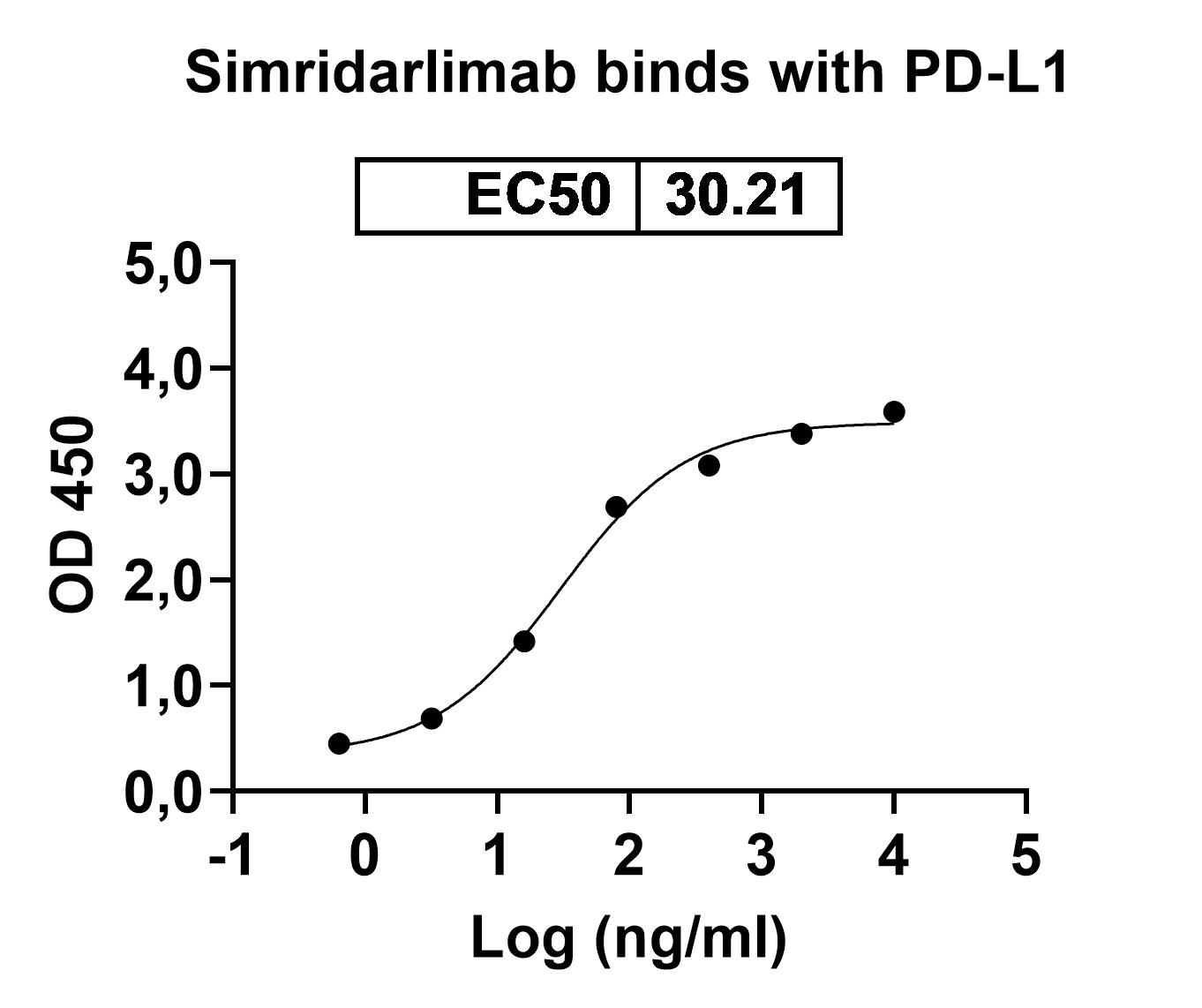
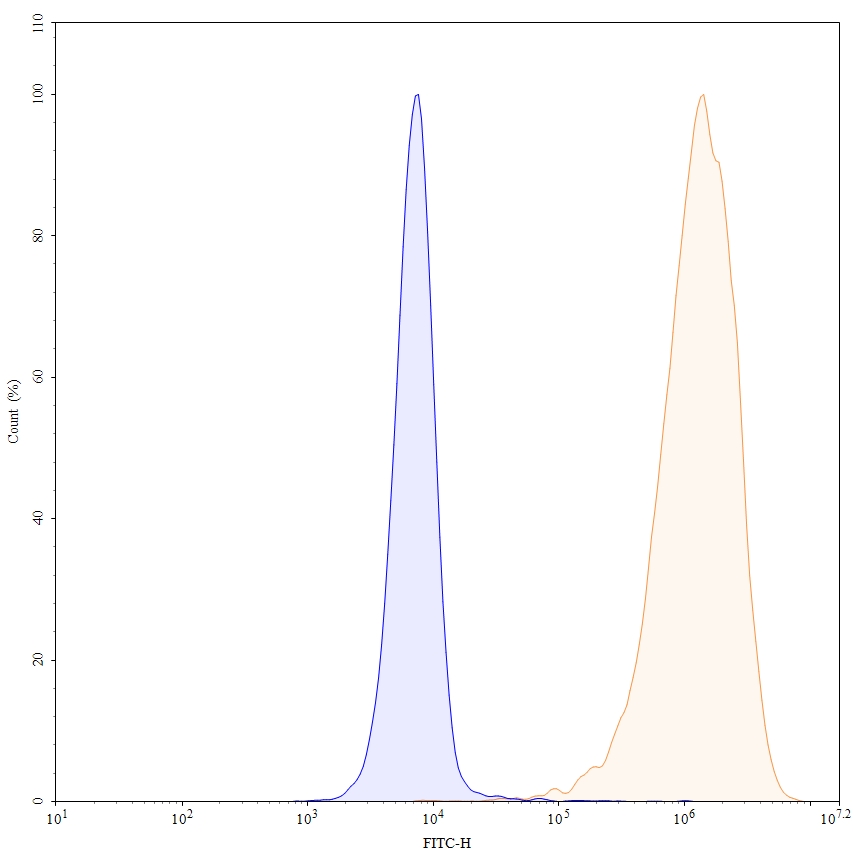
Simridarlimab Biosimilar acts by binding to PDL1 and MER proteins, which are found on the surface of cancer cells. PDL1 is a protein that is overexpressed in various types of cancer, and it plays a crucial role in suppressing the immune response against cancer cells. By binding to PDL1, Simridarlimab Biosimilar blocks its interaction with the programmed cell death protein 1 (PD1) on immune cells, thus preventing the inhibition of immune response against cancer cells. Additionally, MER is a protein that is involved in the growth and survival of cancer cells. By binding to MER, Simridarlimab Biosimilar inhibits its activity, leading to reduced proliferation and survival of cancer cells.
Applications of Simridarlimab Biosimilar
Simridarlimab Biosimilar has shown promising results in pre-clinical studies and is currently being evaluated in clinical trials for the treatment of various types of cancer, including lung cancer, melanoma, and bladder cancer. As a research grade antibody, it is primarily used for in vitro studies to understand its mechanism of action and potential therapeutic applications. However, with further research and development, it has the potential to be used as a therapeutic agent for the treatment of cancer.
Therapeutic Target: PDL1 and MER
The therapeutic target of Simridarlimab Biosimilar is the PDL1 and MER proteins, which are overexpressed in various types of cancer. By targeting these proteins, Simridarlimab Biosimilar has the potential to enhance the immune response against cancer cells and inhibit their growth and survival. This makes it a promising candidate for the development of new cancer treatments.
Advantages of Simridarlimab Biosimilar
Simridarlimab Biosimilar has several advantages over other immunotherapies. It is a humanized antibody, which reduces the risk of immune reactions and increases its effectiveness. It has also shown to have a long half-life, which means it can remain in the body for an extended period, providing sustained therapeutic effects. Additionally, Simridarlimab Biosimilar has shown to have a favorable safety profile in pre-clinical studies, with no significant adverse effects reported.
Conclusion
In conclusion, Simridarlimab Biosimilar is a novel research grade antibody that targets PDL1 and MER proteins. It has shown promising results in pre-clinical studies and is currently being evaluated in clinical trials for the treatment of various types of cancer. With its unique structure and mechanism of action, Simridarlimab Biosimilar has the potential to be a valuable addition to the field of immunotherapy and may provide new treatment options for cancer patients.
There are no reviews yet.