Sotevtamab Biosimilar: A Novel Anti-APOJ Monoclonal Antibody for Therapeutic Targeting
Sotevtamab Biosimilar, also known as Anti-APOJ mAb, is a novel monoclonal antibody that has shown promising results in the treatment of various diseases. This biosimilar is a research grade version of the original Sotevtamab antibody, which is currently in clinical trials for its potential therapeutic applications. In this article, we will delve into the structure, activity, and potential applications of Sotevtamab Biosimilar as an antibody for therapeutic targeting.
Structure of Sotevtamab Biosimilar
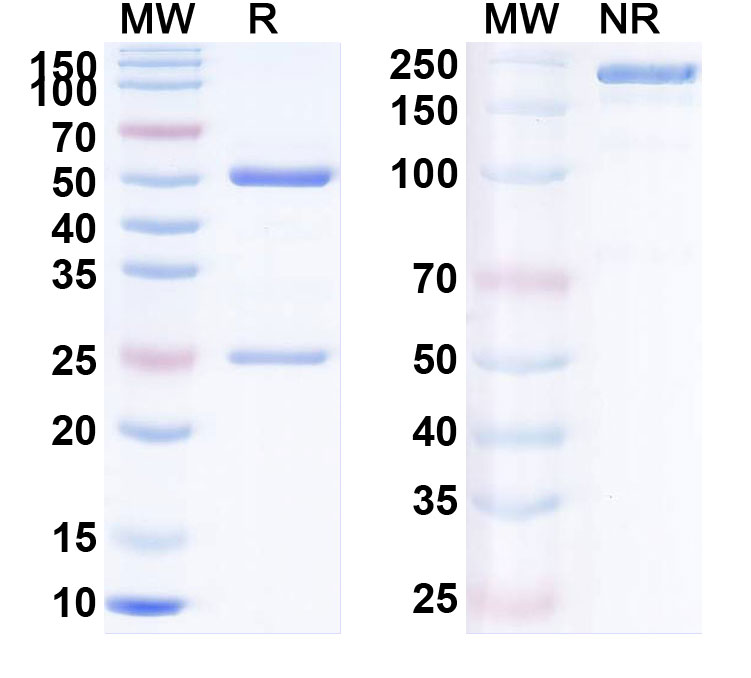
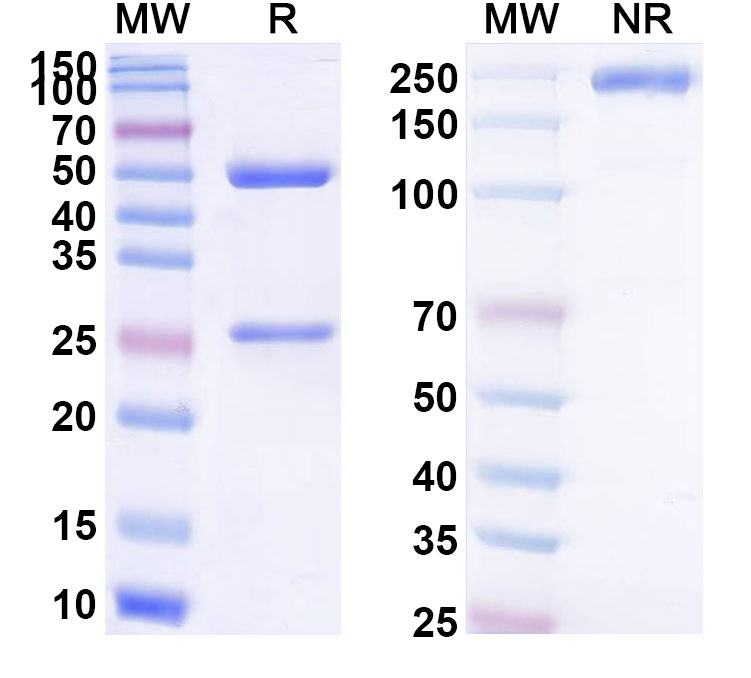
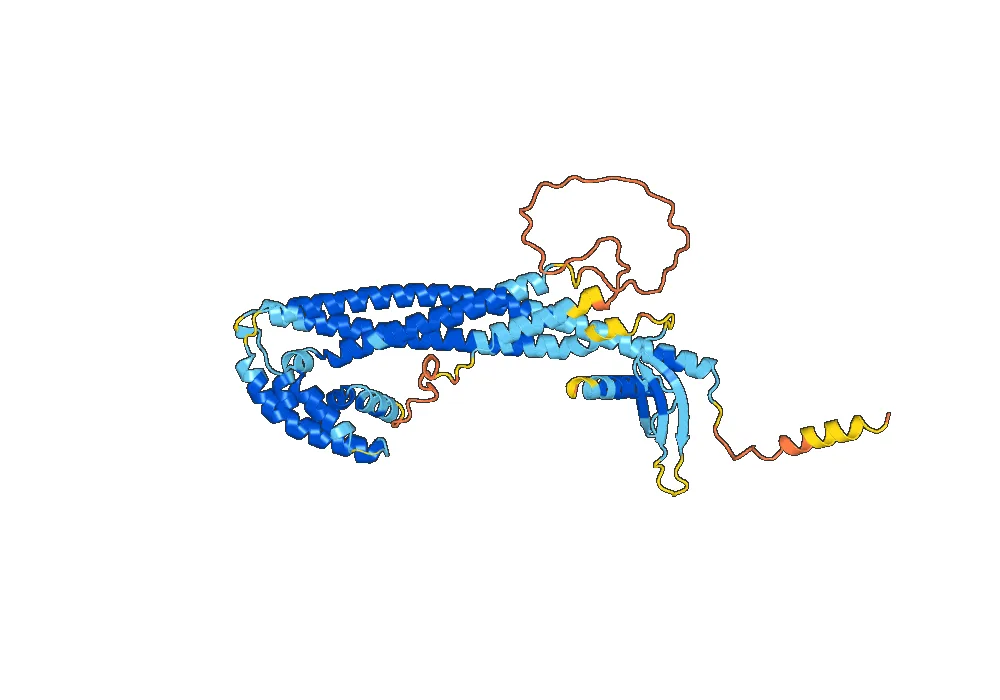
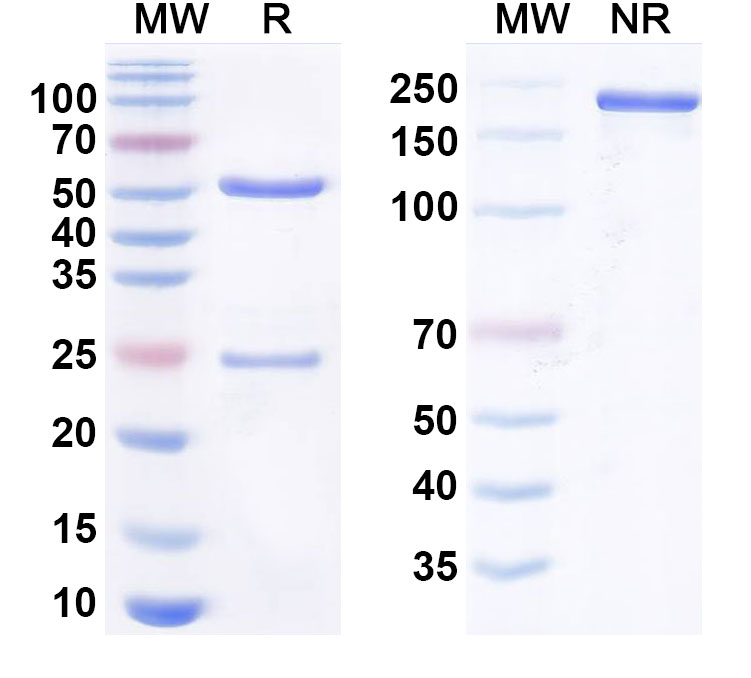
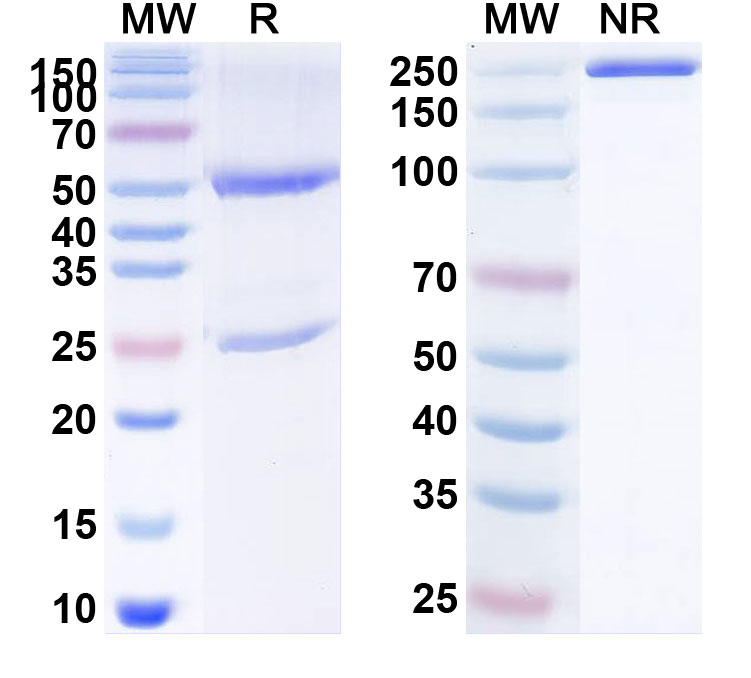
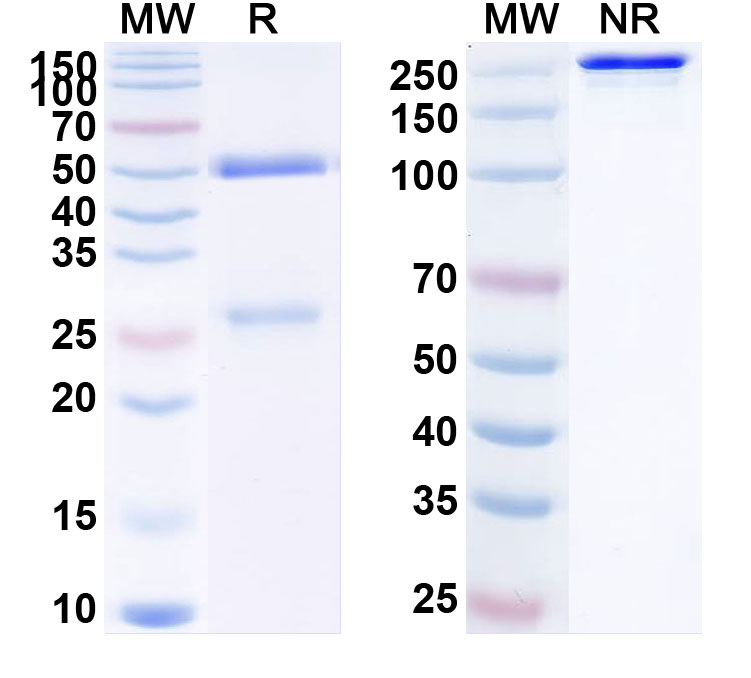
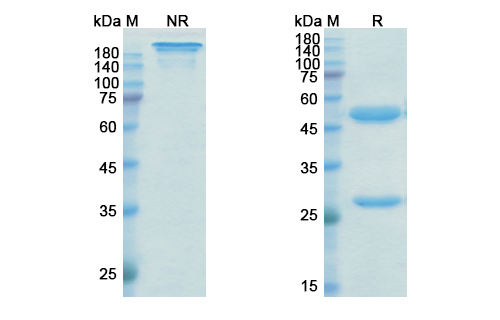
Sotevtamab Biosimilar is a monoclonal antibody that is designed to target APOJ (Apolipoprotein J), a protein that is involved in various physiological processes such as lipid metabolism, inflammation, and cell proliferation. The biosimilar is a recombinant protein that is produced in a mammalian cell expression system, and it has a similar structure to the original Sotevtamab antibody. It consists of two heavy chains and two light chains, which are connected by disulfide bonds to form a Y-shaped structure. The variable regions of the antibody, which are responsible for binding to APOJ, are located at the tips of the Y-shaped structure.
Activity of Sotevtamab Biosimilar
Sotevtamab Biosimilar has been shown to have high affinity and specificity towards APOJ. It binds to APOJ with a high binding affinity, which allows it to effectively target and neutralize the protein. This binding also triggers a cascade of immune responses, including antibody-dependent cellular cytotoxicity (ADCC) and complement-dependent cytotoxicity (CDC), which can lead to the destruction of APOJ-expressing cells. Additionally, Sotevtamab Biosimilar has been engineered to have an extended half-life, which allows for a longer duration of action and potentially better therapeutic outcomes.
Applications of Sotevtamab Biosimilar
Sotevtamab Biosimilar has shown potential in the treatment of various diseases, particularly those involving APOJ. APOJ has been implicated in the development and progression of several diseases, including cancer, cardiovascular diseases, and neurodegenerative disorders. In preclinical studies, Sotevtamab Biosimilar has demonstrated promising results in inhibiting tumor growth and reducing inflammation in models of cancer and cardiovascular diseases. It has also shown potential in targeting APOJ in the brain, which could have implications for the treatment of neurodegenerative disorders such as Alzheimer’s disease.
Furthermore, Sotevtamab Biosimilar has been shown to have a good safety profile in preclinical studies, with no significant adverse effects observed. This makes it a promising candidate for further development and potential clinical use.
Conclusion
Sotevtamab Biosimilar, a research grade version of the original Sotevtamab antibody, is a novel monoclonal antibody that has shown potential in targeting APOJ for therapeutic purposes. Its structure, activity, and potential applications make it a promising candidate for the treatment of various diseases, particularly those involving APOJ. Further research and clinical trials are needed to fully evaluate the efficacy and safety of this biosimilar, but it holds great promise as a therapeutic antibody for targeting APOJ.
Keywords: Sotevtamab Biosimilar, Anti-APOJ mAb, monoclonal antibody, therapeutic target, APOJ, research grade, structure, activity, applications.


There are no reviews yet.