Introduction
Tamrintamab Biosimilar – Anti-DPEP3, MBD3 mAb is a novel monoclonal antibody (mAb) that has shown promising results in preclinical studies as a potential therapeutic agent for various diseases. This biosimilar is designed to target two important proteins, DPEP3 and MBD3, which are involved in multiple biological processes and have been implicated in various diseases.
Structure of Tamrintamab Biosimilar
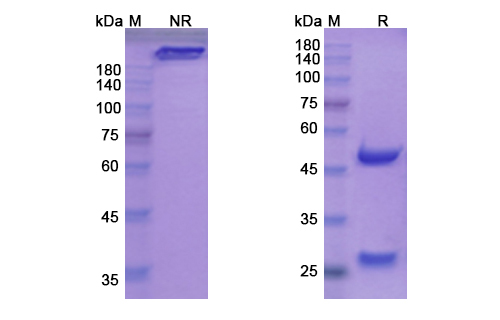
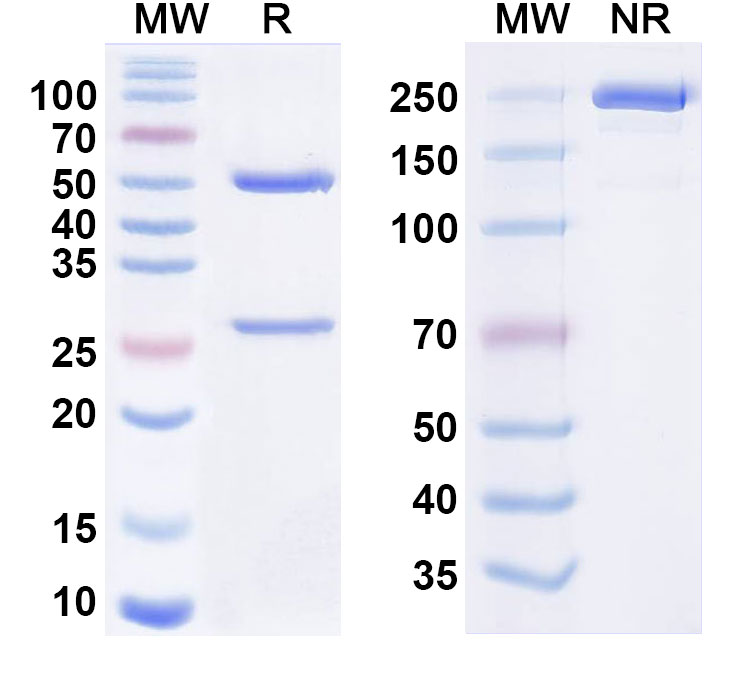
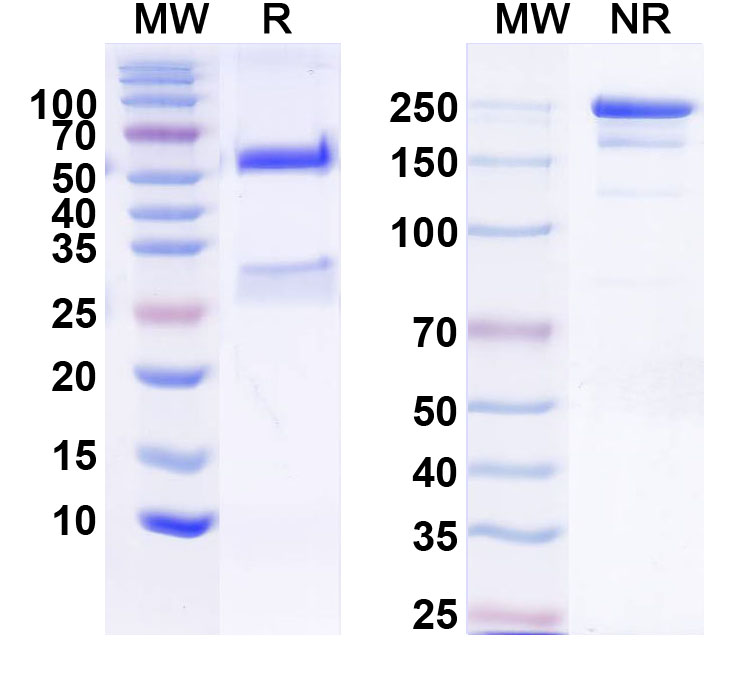
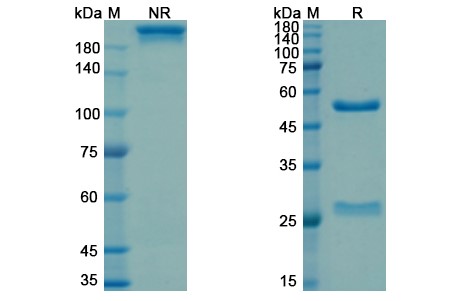
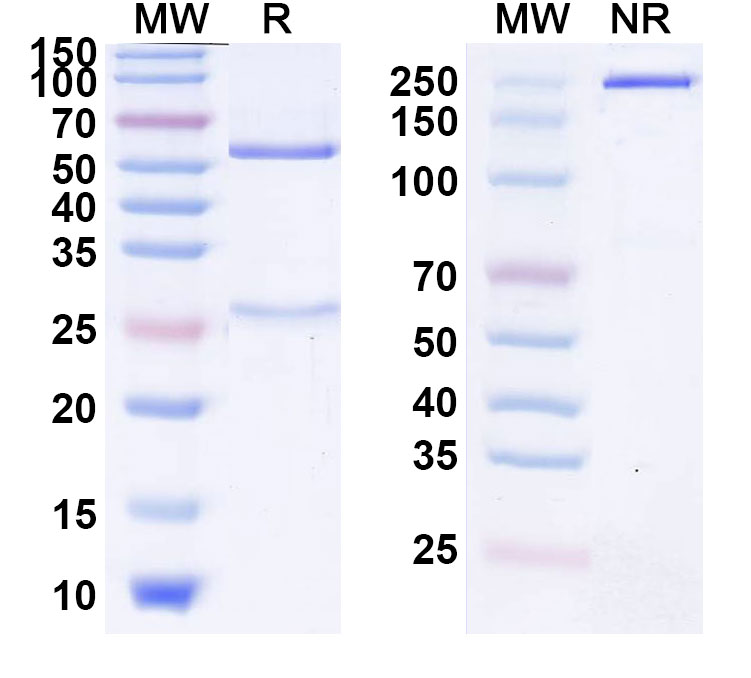
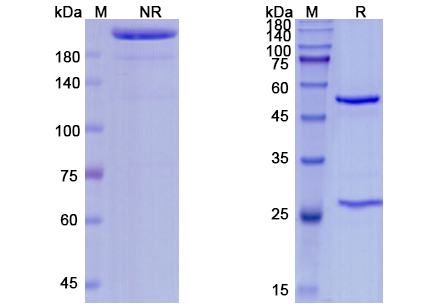
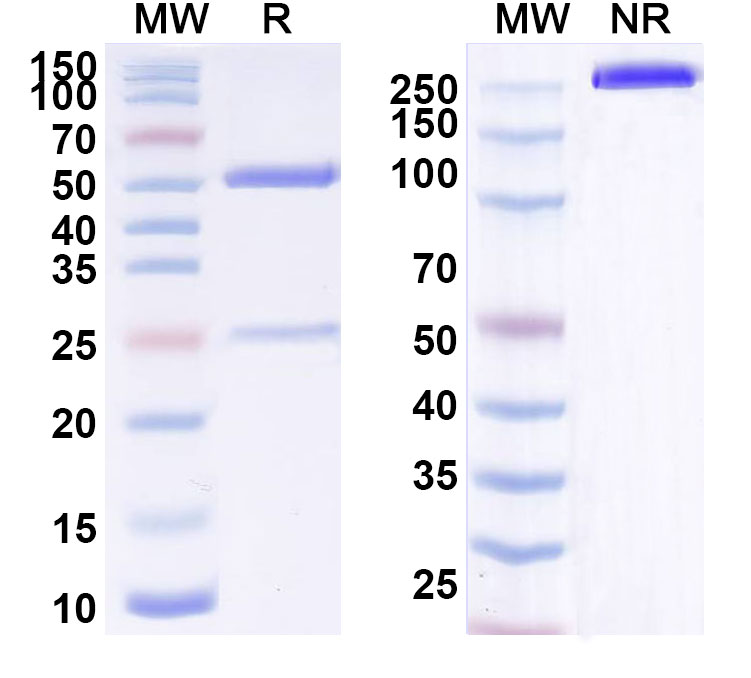
Tamrintamab Biosimilar is a fully humanized IgG1 monoclonal antibody, which means it is derived from human cells and has a structure similar to natural antibodies found in the body. It is composed of two heavy chains and two light chains, connected by disulfide bonds. The heavy chains consist of four constant domains (CH1, CH2, CH3, and CH4) and one variable domain (VH), while the light chains consist of two constant domains (CL) and one variable domain (VL). The variable domains are responsible for binding to the target proteins, DPEP3 and MBD3.
Mechanism of Action
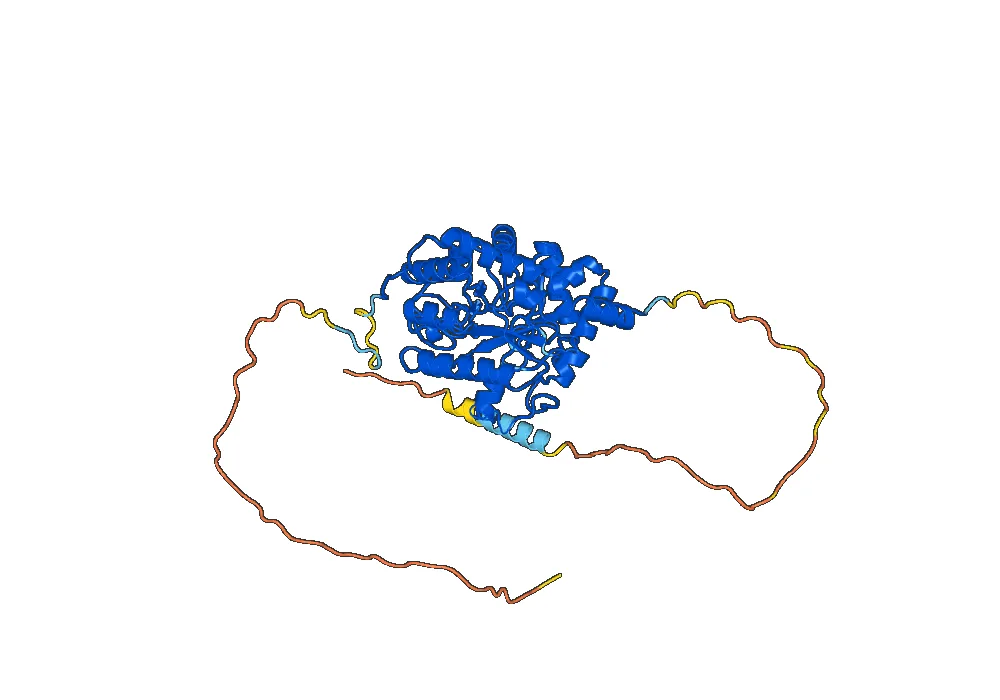
Tamrintamab Biosimilar works by specifically binding to DPEP3 and MBD3 proteins, which are overexpressed in various diseases. DPEP3 is a membrane-bound enzyme that plays a crucial role in cell proliferation, migration, and invasion. MBD3, on the other hand, is a component of the chromatin remodeling complex and is involved in regulating gene expression. By binding to these proteins, Tamrintamab Biosimilar inhibits their function and disrupts the signaling pathways that promote disease progression.
Therapeutic Applications
Tamrintamab Biosimilar has shown potential for the treatment of various diseases, including cancer, autoimmune disorders, and inflammatory diseases. In preclinical studies, it has demonstrated strong anti-tumor activity by inhibiting the growth and proliferation of cancer cells. It has also shown promise in reducing inflammation and suppressing the immune response in autoimmune disorders.
Cancer
Cancer cells often have high levels of DPEP3 and MBD3, which contribute to their uncontrolled growth and ability to spread to other parts of the body. Tamrintamab Biosimilar has shown promising results in inhibiting the growth of cancer cells by specifically targeting these proteins. It has also been shown to enhance the effectiveness of chemotherapy and radiation therapy, making it a potential combination therapy for cancer treatment.
Autoimmune disorders
Autoimmune disorders, such as rheumatoid arthritis and multiple sclerosis, are characterized by an overactive immune response that attacks healthy cells and tissues. Tamrintamab Biosimilar has the potential to suppress this immune response by binding to MBD3 and inhibiting its function in regulating gene expression. This can help reduce inflammation and alleviate symptoms of autoimmune disorders.
Inflammatory diseases
Inflammation is a common feature of many diseases, including cardiovascular diseases, diabetes, and neurodegenerative disorders. Tamrintamab Biosimilar has shown anti-inflammatory properties by targeting DPEP3, which is involved in the production of pro-inflammatory molecules. This makes it a potential therapeutic option for a wide range of inflammatory diseases.
Research Grade
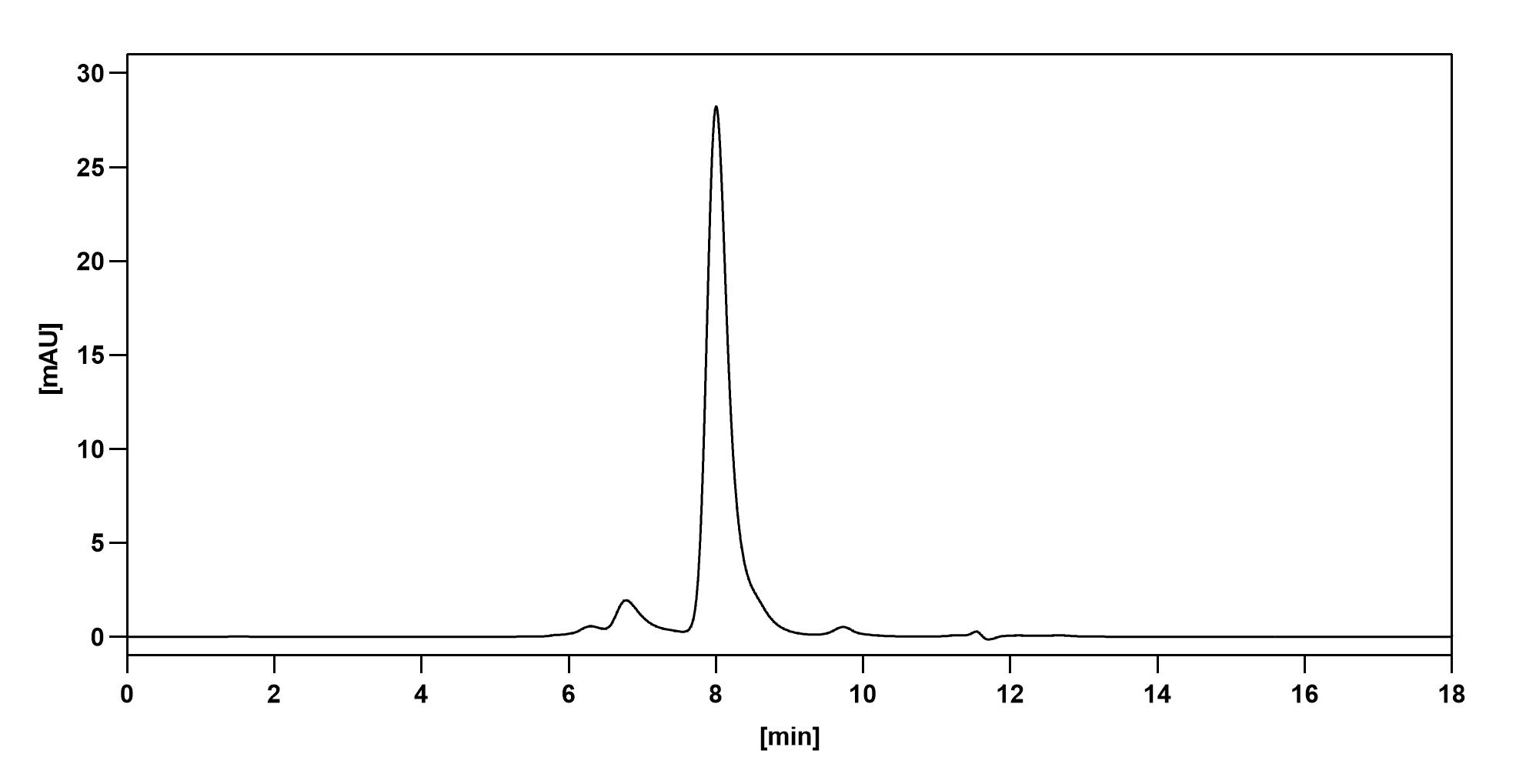
Tamrintamab Biosimilar is currently in the preclinical stage of development and is being evaluated for its safety and efficacy in various disease models. It is being produced under strict quality control measures to ensure its purity and potency. Once it successfully completes preclinical studies, it will move on to clinical trials for further evaluation.
Conclusion
Tamrintamab Biosimilar – Anti-DPEP3, MBD3 mAb is a novel monoclonal antibody with the potential to treat various diseases by targeting two important proteins, DPEP3 and MBD3. Its unique mechanism of action and promising preclinical results make it a promising candidate for further development as a therapeutic agent. With ongoing research and development, Tamrintamab Biosimilar has the potential to improve the lives

There are no reviews yet.