Introduction
Tarumase Biosimilar – Anti-peptidase S1 domain containing protein mAb – Research Grade is a novel monoclonal antibody (mAb) that targets the peptidase S1 domain containing protein, a key enzyme involved in various physiological processes. This biosimilar is a highly specific and potent therapeutic agent with potential applications in the treatment of various diseases.
Structure
Tarumase Biosimilar is a recombinant humanized mAb that is produced using advanced genetic engineering techniques. It is a fully human antibody, meaning it is derived from human cells and does not contain any non-human components. The mAb is composed of two identical heavy chains and two identical light chains, each with a molecular weight of approximately 150 kDa. The heavy and light chains are connected by disulfide bonds, forming a Y-shaped structure.
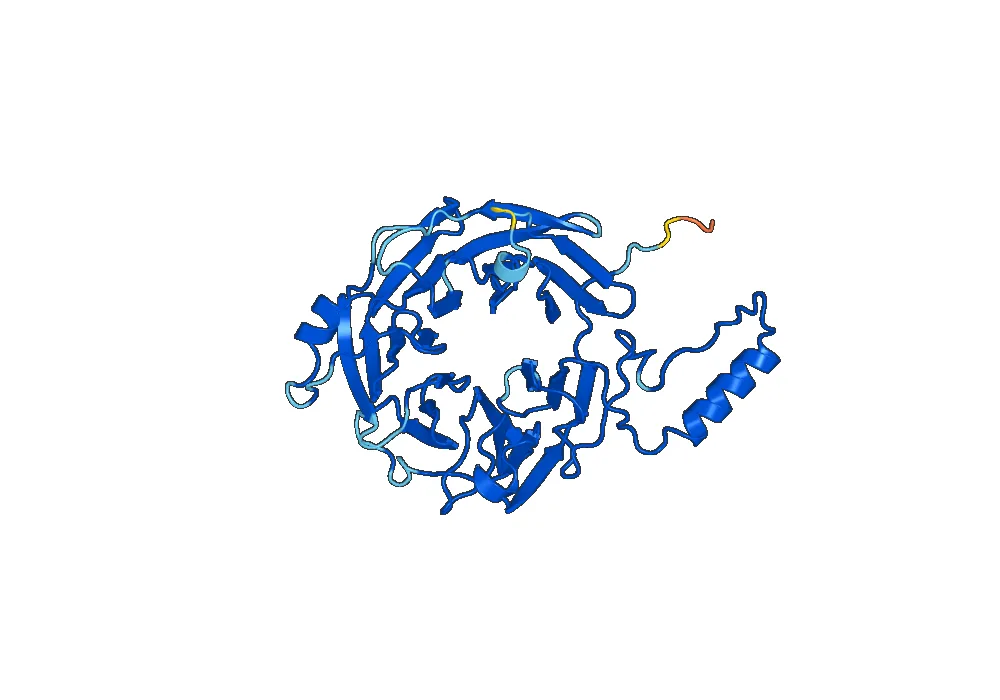
The mAb is designed to specifically target the peptidase S1 domain containing protein, which is a key component of the serine protease family. The binding site of Tarumase Biosimilar is located on the variable region of the heavy chain, allowing for high affinity and specificity towards the target protein.
Activity
Tarumase Biosimilar exerts its therapeutic effect by inhibiting the activity of the peptidase S1 domain containing protein. This protein is involved in various physiological processes such as blood coagulation, immune response, and tissue remodeling. Dysregulation of this protein has been linked to various diseases, making it a promising therapeutic target.
By binding to the peptidase S1 domain containing protein, Tarumase Biosimilar blocks its activity and prevents it from carrying out its normal functions. This leads to a cascade of downstream effects, resulting in the inhibition of disease progression and improvement of symptoms.
Application
Tarumase Biosimilar has potential applications in the treatment of various diseases, particularly those associated with dysregulation of the peptidase S1 domain containing protein. Some of the diseases that may benefit from this biosimilar include:
1. Thrombotic disorders – The peptidase S1 domain containing protein plays a crucial role in blood coagulation. Dysregulation of this protein can lead to excessive blood clot formation, resulting in thrombotic disorders such as deep vein thrombosis and pulmonary embolism. Tarumase Biosimilar can inhibit the activity of this protein and prevent the formation of blood clots, making it a potential treatment for these disorders.
2. Inflammatory diseases – The peptidase S1 domain containing protein is also involved in the regulation of immune responses. Dysregulation of this protein has been linked to various inflammatory diseases such as rheumatoid arthritis and inflammatory bowel disease. By inhibiting the activity of this protein, Tarumase Biosimilar can help reduce inflammation and improve symptoms in these diseases.
3. Fibrotic diseases – The peptidase S1 domain containing protein is also involved in tissue remodeling. Dysregulation of this protein can lead to excessive tissue scarring and fibrosis, which is a common feature of diseases such as liver cirrhosis and pulmonary fibrosis. Tarumase Biosimilar can inhibit the activity of this protein and prevent the progression of fibrotic diseases.
Conclusion
Tarumase Biosimilar – Anti-peptidase S1 domain containing protein mAb – Research Grade is a novel therapeutic agent with potential applications in the treatment of various diseases. Its highly specific and potent activity towards the peptidase S1 domain containing protein makes it a promising candidate for the treatment of thrombotic, inflammatory, and fibrotic diseases. Further research and clinical trials are needed to fully explore the potential of this biosimilar in improving patient outcomes.
There are no reviews yet.