Introduction
Teriparatide Biosimilar, also known as Anti-PTH, is a research grade antibody that has been developed as a potential therapeutic agent for the treatment of osteoporosis. This biosimilar is designed to mimic the activity of the human parathyroid hormone (PTH), which plays a critical role in regulating bone metabolism. In this article, we will explore the structure, activity, and potential applications of Teriparatide Biosimilar.
Structure of Teriparatide Biosimilar
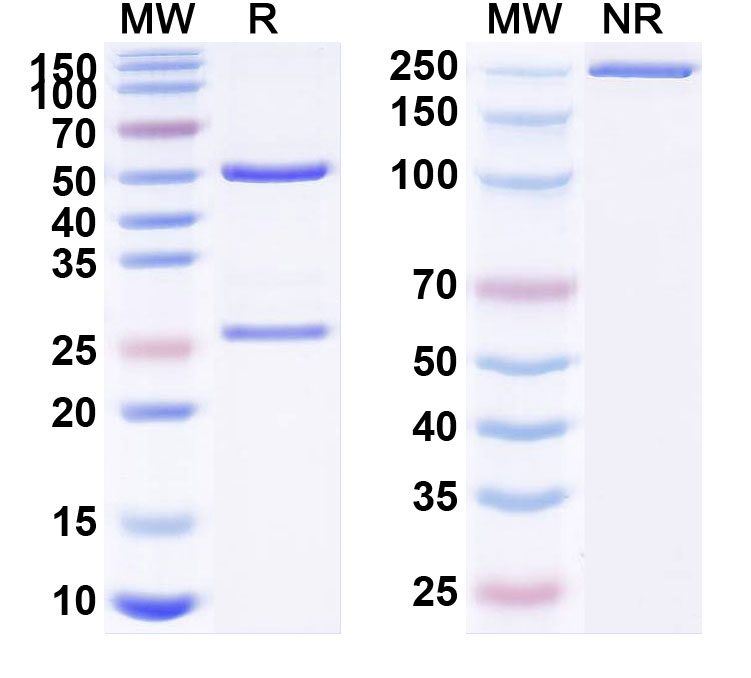
Teriparatide Biosimilar is a recombinant monoclonal antibody that is produced through genetic engineering techniques. It is composed of two heavy chains and two light chains, which are linked together by disulfide bonds. The antibody has a molecular weight of approximately 150 kDa and a half-life of about 2-3 hours in the body.
Activity of Teriparatide Biosimilar
Teriparatide Biosimilar works by binding to the PTH receptor on the surface of bone cells, known as osteoblasts. This binding activates a signaling pathway that stimulates the production of new bone cells and increases bone formation. Additionally, Teriparatide Biosimilar also inhibits the activity of osteoclasts, the cells responsible for breaking down old bone tissue. This dual mechanism of action helps to increase bone density and strength, making it an effective treatment for osteoporosis.
Therapeutic Target
The therapeutic target of Teriparatide Biosimilar is the PTH receptor on osteoblasts. This receptor is a G-protein coupled receptor that is activated by the binding of PTH or Teriparatide Biosimilar. The activation of this receptor leads to the release of calcium and other signaling molecules that stimulate bone formation. By targeting this receptor, Teriparatide Biosimilar can effectively mimic the activity of PTH and promote bone growth.
Applications of Teriparatide Biosimilar
Teriparatide Biosimilar has been primarily studied for its potential use in the treatment of osteoporosis. Osteoporosis is a condition characterized by low bone density and increased risk of fractures. It is most commonly seen in postmenopausal women and older individuals. Currently, the only approved treatment for osteoporosis is teriparatide, a synthetic form of PTH. However, Teriparatide Biosimilar offers a more cost-effective alternative for patients who may not be able to afford teriparatide.
In addition to osteoporosis, Teriparatide Biosimilar has also shown potential for treating other bone-related conditions such as osteogenesis imperfecta and steroid-induced osteoporosis. It has also been studied for its potential use in promoting bone healing and regeneration in patients with bone fractures.
Conclusion
In conclusion, Teriparatide Biosimilar is a research grade antibody that mimics the activity of the human PTH hormone. It works by binding to the PTH receptor on osteoblasts and stimulating bone formation while inhibiting bone breakdown. This makes it a promising therapeutic agent for the treatment of osteoporosis and other bone-related conditions. Further research and clinical trials are needed to fully understand the potential of Teriparatide Biosimilar and its applications in the field of bone health.


There are no reviews yet.