Introduction to Vepsitamab Biosimilar – Anti-MUC17 & CD3e mAb
Vepsitamab Biosimilar, also known as Anti-MUC17 & CD3e mAb, is a novel antibody designed to target two key proteins involved in cancer progression. This research grade antibody has shown promising results in pre-clinical studies and is currently being evaluated for its therapeutic potential in various types of cancer. In this article, we will discuss the structure, activity, and potential applications of Vepsitamab Biosimilar.
Structure of Vepsitamab Biosimilar
Vepsitamab Biosimilar is a monoclonal antibody, which means it is produced from a single clone of immune cells. It is a chimeric antibody, meaning it is made up of both human and mouse components. The antibody consists of two parts – the constant region and the variable region. The constant region is responsible for the antibody’s effector function, while the variable region binds specifically to its target proteins, MUC17 and CD3e.
Activity of Vepsitamab Biosimilar
Vepsitamab Biosimilar is designed to target two proteins – MUC17 and CD3e. MUC17 is a mucin protein that is overexpressed in various types of cancer, including pancreatic, breast, and ovarian cancer. It plays a crucial role in cancer progression and is associated with poor prognosis. On the other hand, CD3e is a protein found on the surface of T-cells, a type of immune cell. By targeting both MUC17 and CD3e, Vepsitamab Biosimilar aims to inhibit cancer growth and activate the immune system to fight against cancer cells.
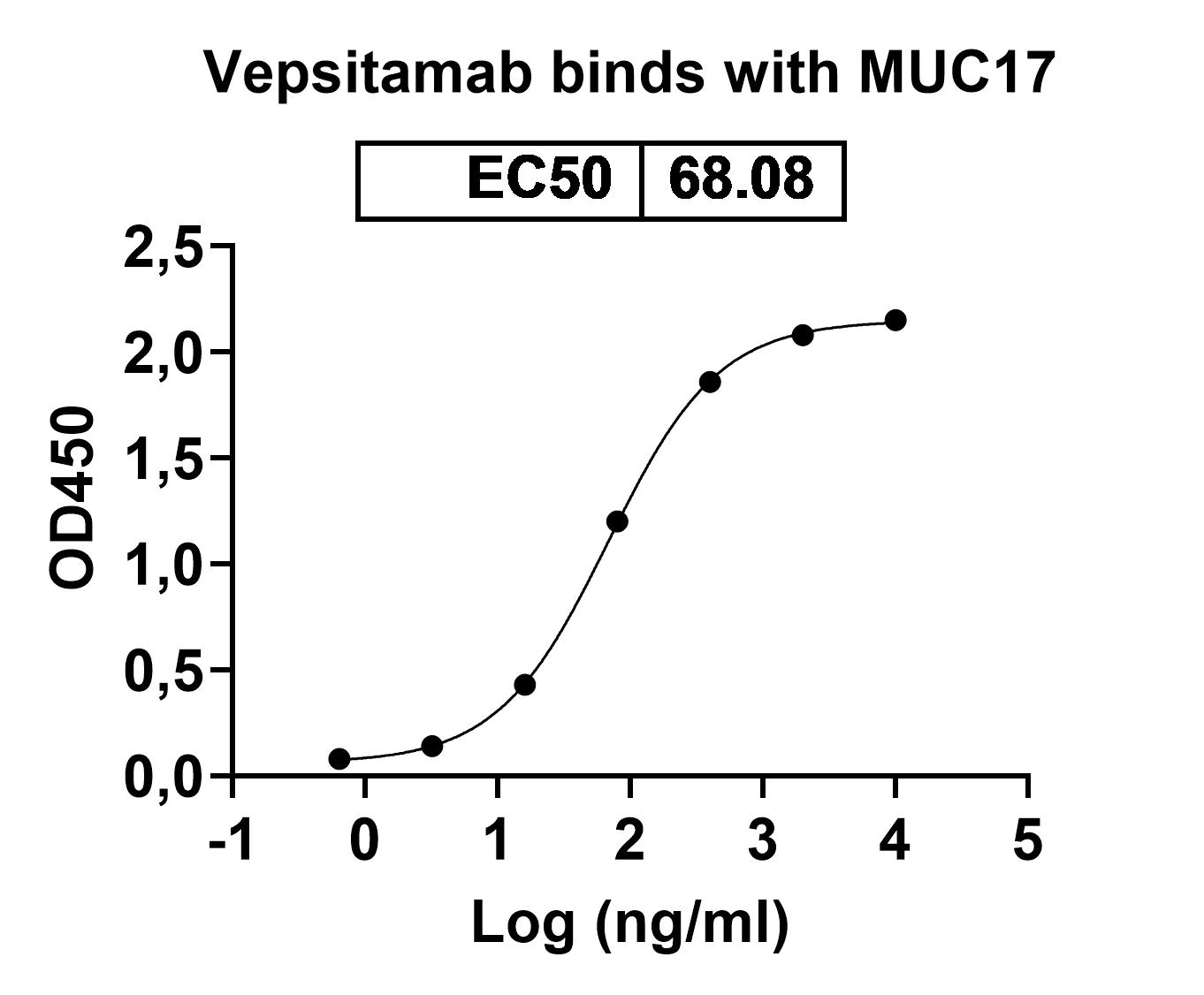
In pre-clinical studies, Vepsitamab Biosimilar has shown potent anti-tumor activity. It has been found to bind specifically to MUC17 and CD3e, leading to the activation of T-cells and subsequent killing of cancer cells. The antibody has also been shown to inhibit the growth of tumors in animal models, suggesting its potential as a therapeutic agent.
Potential Applications of Vepsitamab Biosimilar
Vepsitamab Biosimilar has shown promising results in pre-clinical studies, and its potential applications in cancer treatment are currently being evaluated. The antibody is being studied for its efficacy in various types of cancer, including pancreatic, breast, and ovarian cancer.
In pancreatic
cancer, Vepsitamab Biosimilar has been found to inhibit cancer growth and improve survival in animal models. It is also being evaluated in combination with other therapies, such as chemotherapy, to enhance its anti-tumor activity.
Similarly, in breast
cancer, Vepsitamab Biosimilar has shown promising results in inhibiting tumor growth and reducing metastasis in pre-clinical studies. It is also being studied in combination with other therapies, such as hormone therapy, to improve treatment outcomes.
In ovarian
cancer, Vepsitamab Biosimilar has been found to induce cell death in cancer cells and inhibit tumor growth. It is also being evaluated in combination with chemotherapy to improve treatment efficacy.
Conclusion
Vepsitamab Biosimilar – Anti-MUC17 & CD3e mAb is a novel antibody with potential therapeutic applications in various types of cancer. Its unique structure and activity allow it to target two key proteins involved in cancer progression, MUC17 and CD3e. In pre-clinical studies, it has shown potent anti-tumor activity and is currently being evaluated for its efficacy in clinical trials. If successful, Vepsitamab Biosimilar could potentially be a valuable addition to the arsenal of cancer treatments, providing a new targeted approach to fighting this deadly disease.



There are no reviews yet.