Introduction
Vopratelimab Biosimilar, also known as Anti-ICOS or CD278 mAb, is a monoclonal antibody that has been developed as a potential therapeutic agent for various diseases. This biosimilar is a research grade product that has been designed to mimic the structure and function of the original Vopratelimab antibody. In this article, we will provide a detailed description of the structure, activity, and potential applications of Vopratelimab Biosimilar.
Structure of Vopratelimab Biosimilar
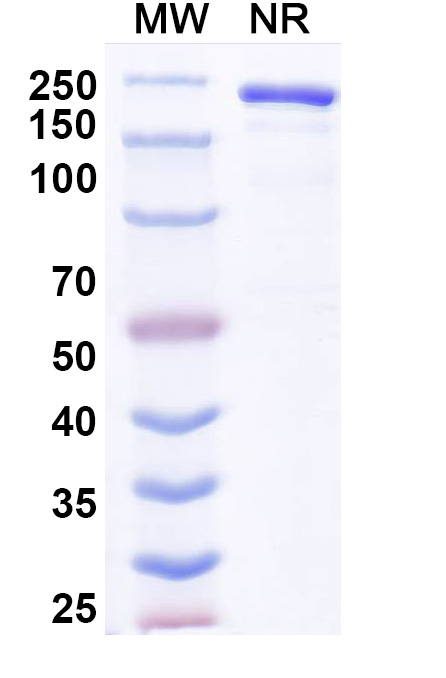
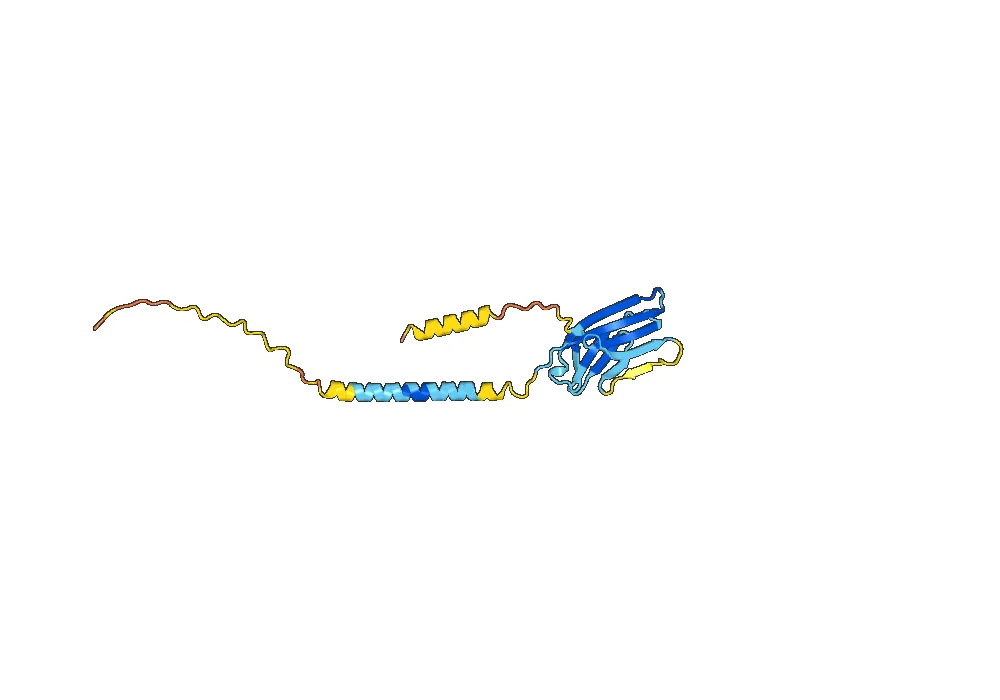
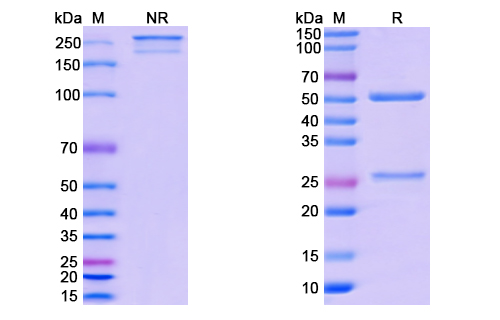
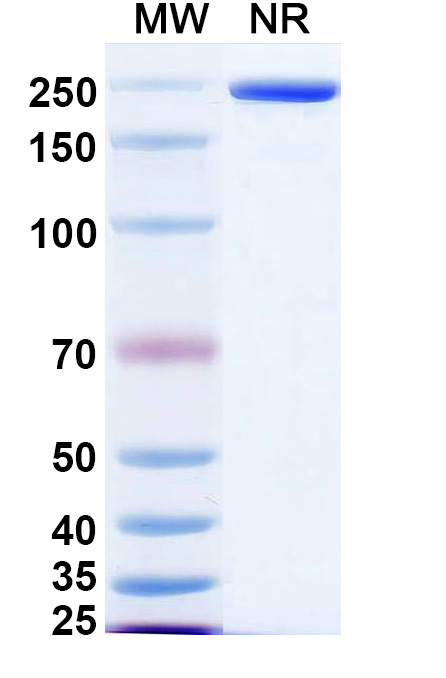
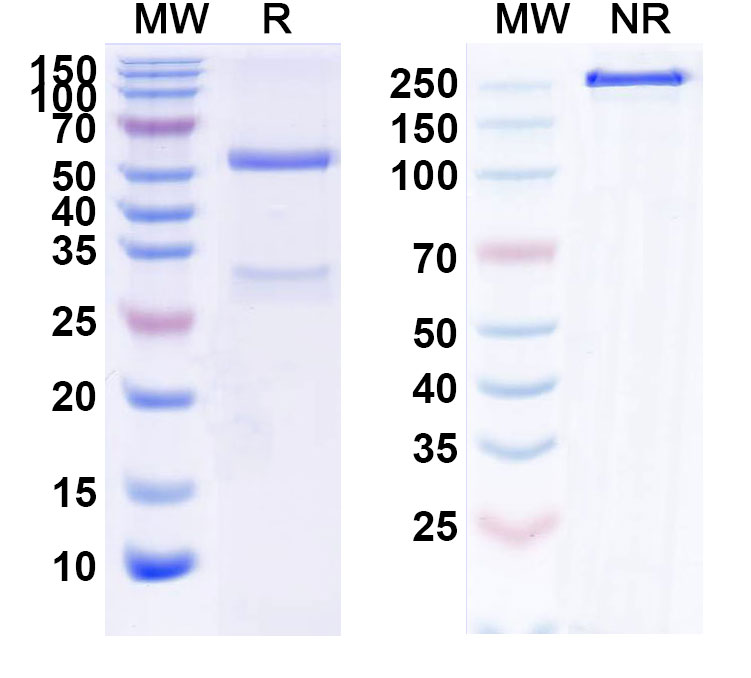
Vopratelimab Biosimilar is a monoclonal antibody that targets the immune checkpoint protein ICOS (Inducible T cell CO-Stimulator). It is a fully humanized antibody, meaning that it is derived from human cells and has a high affinity for its target. The antibody has a molecular weight of approximately 150 kDa and is composed of two heavy chains and two light chains. The heavy chains consist of four constant domains (CH1, CH2, CH3, and CH4) and one variable domain (VH), while the light chains consist of one constant domain (CL) and one variable domain (VL).
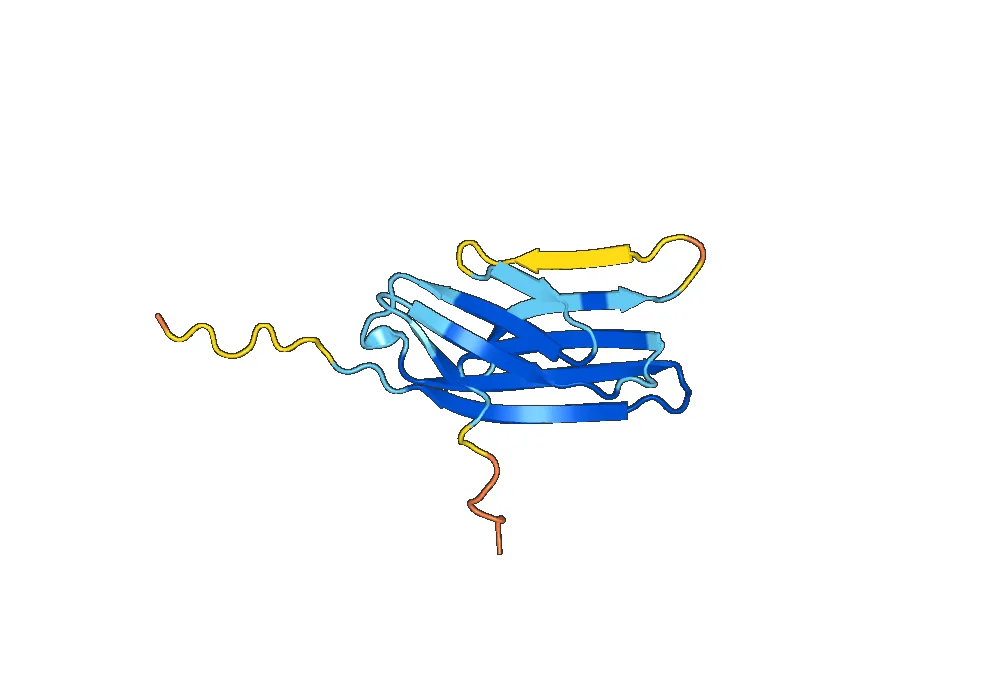
The variable domains of Vopratelimab Biosimilar are responsible for binding to the ICOS protein. These domains contain complementarity-determining regions (CDRs) that interact with specific amino acid sequences on the target protein. The constant domains, on the other hand, are responsible for the effector functions of the antibody, such as activating immune cells and triggering cell death in target cells.
Activity of Vopratelimab Biosimilar
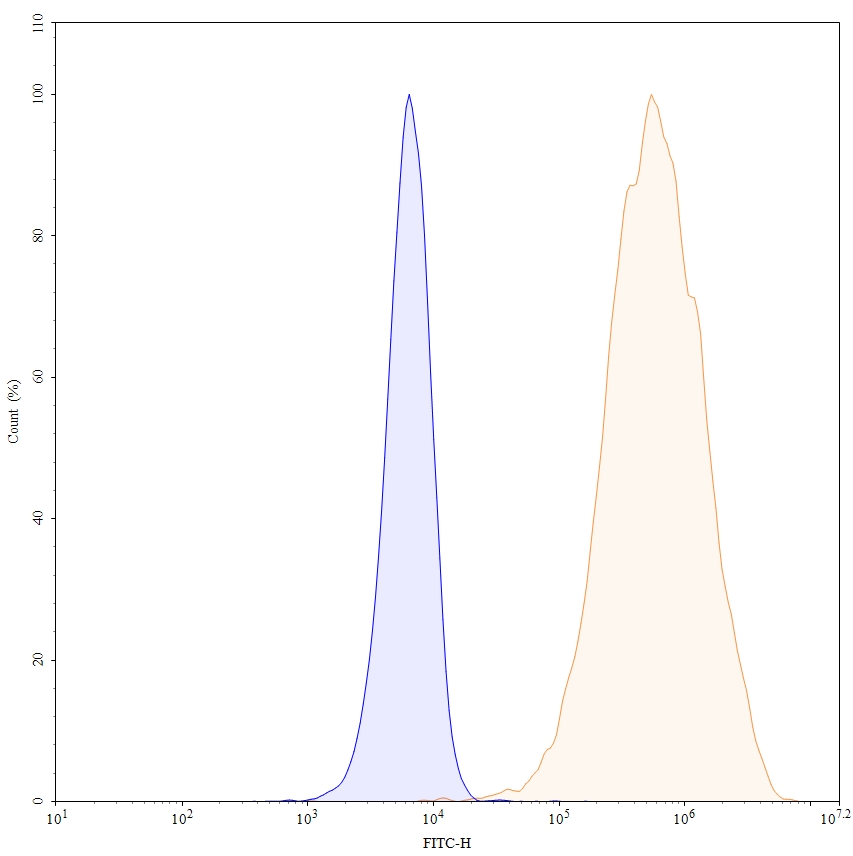
Vopratelimab Biosimilar works by blocking the interaction between ICOS and its ligand, B7-H2. This interaction is crucial for the activation and proliferation of T cells, which are important components of the immune system. By inhibiting this interaction, Vopratelimab Biosimilar can regulate the activity of T cells and prevent excessive immune responses.
In addition to its inhibitory effect on T cells, Vopratelimab Biosimilar also has the ability to activate other immune cells, such as natural killer (NK) cells and macrophages. This can enhance the immune response against cancer cells and infectious agents. Furthermore, the antibody can induce cell death in target cells through the activation of the complement system and antibody-dependent cellular cytotoxicity (ADCC).
Applications of Vopratelimab Biosimilar
Vopratelimab Biosimilar has shown promising results in preclinical studies for the treatment of various diseases, including cancer and autoimmune disorders. As an immune checkpoint inhibitor, it can be used in combination with other therapies to enhance their efficacy. In cancer treatment, Vopratelimab Biosimilar can be used to block the immunosuppressive effects of ICOS, allowing for a stronger immune response against tumor cells.
Furthermore, Vopratelimab Biosimilar has the potential to be used as a therapeutic agent for autoimmune diseases such as rheumatoid arthritis and multiple sclerosis. By inhibiting the activity of T cells, it can help regulate the immune response and prevent the destruction of healthy tissues.
Conclusion
Vopratelimab Biosimilar, also known as Anti-ICOS or CD278 mAb, is a monoclonal antibody that has been developed as a potential therapeutic agent for various diseases. Its structure, activity, and potential applications make it a promising candidate for the treatment of cancer and autoimmune disorders. Further research and clinical trials are needed to fully evaluate the efficacy and safety of this biosimilar.


There are no reviews yet.