Introduction:
Zovostotug Biosimilar, also known as Anti-Scavenger receptor cysteine-rich type 1 protein M130 mAb, is a research grade antibody with promising therapeutic potential. This biosimilar is designed to target the Scavenger receptor cysteine-rich type 1 protein M130, which plays a crucial role in various disease processes. In this article, we will discuss the structure, activity, and potential applications of Zovostotug Biosimilar.
Structure:
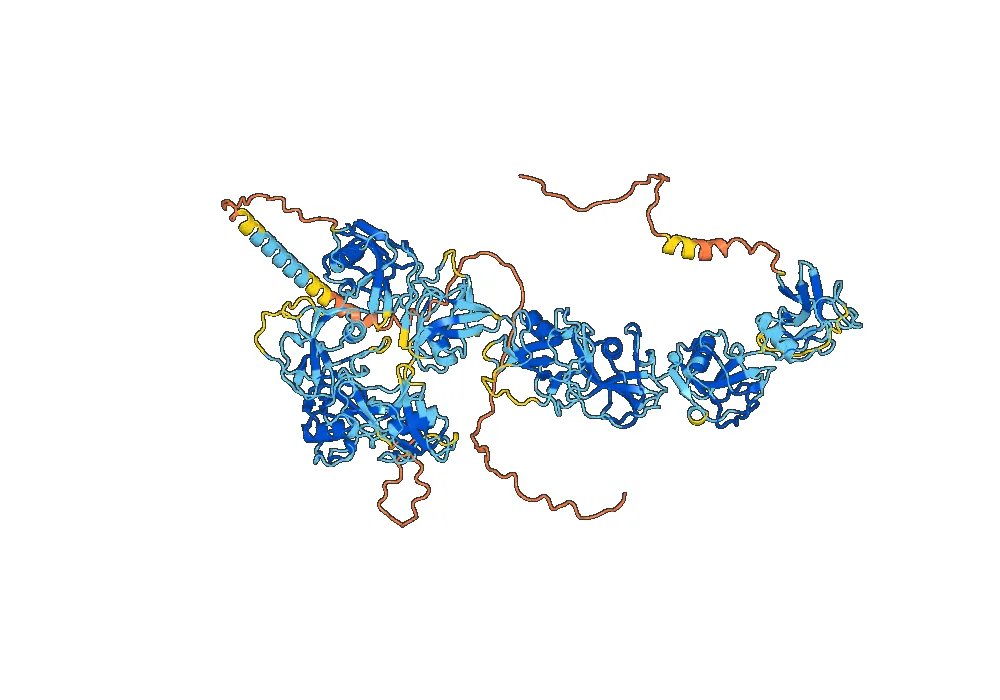
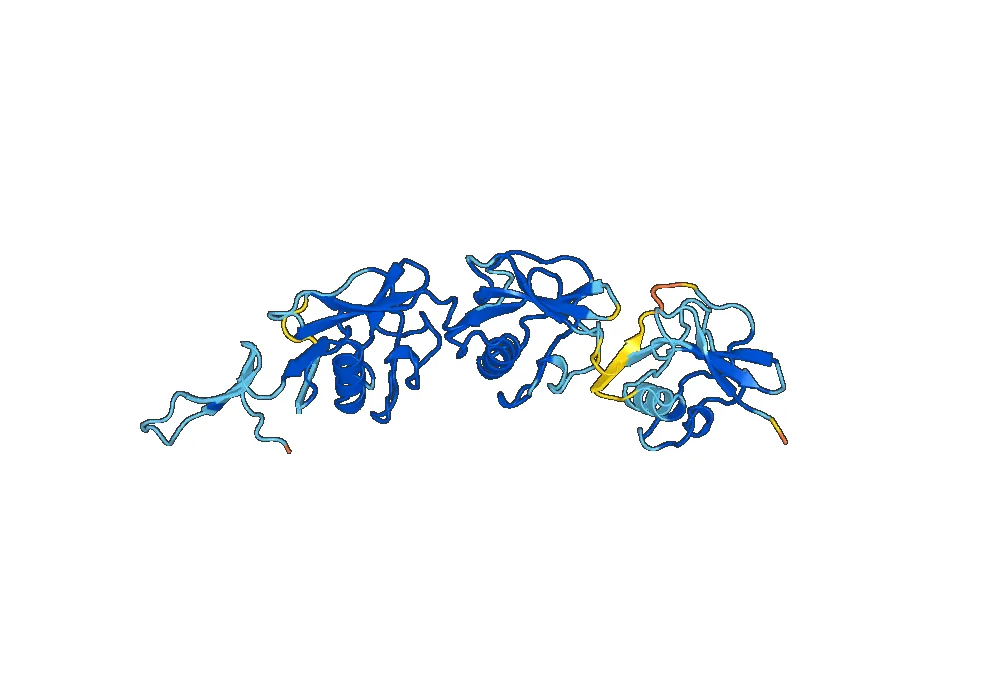
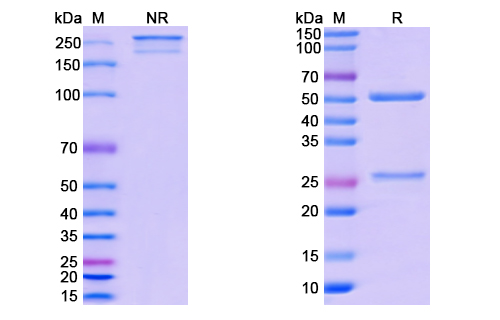
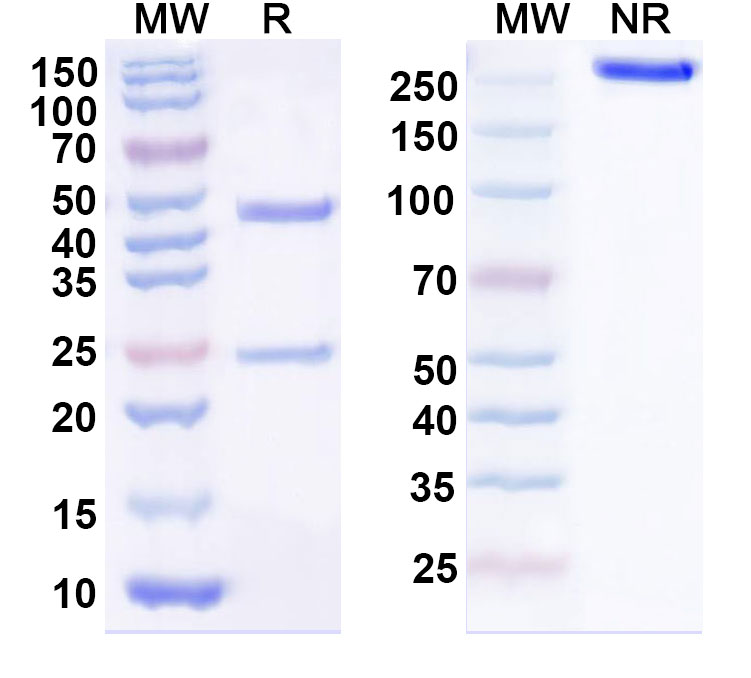
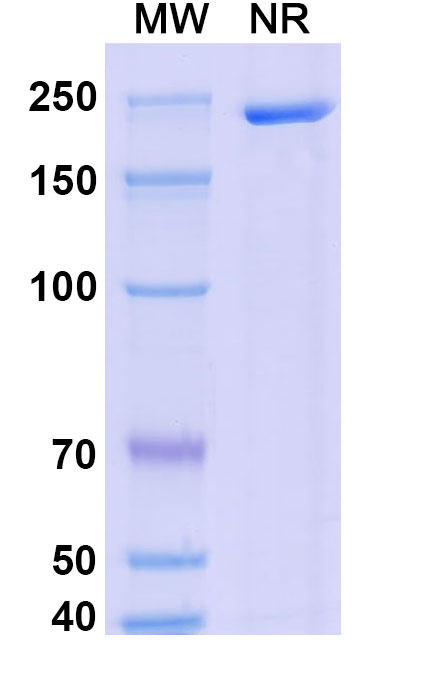
Zovostotug Biosimilar is a monoclonal antibody (mAb) that is produced by recombinant DNA technology. It is a humanized antibody, meaning that it is derived from non-human sources but has been modified to resemble a human antibody. This modification helps in reducing the risk of immune reactions and increasing the effectiveness of the antibody. The antibody has a molecular weight of approximately 150 kDa and consists of two heavy chains and two light chains. The heavy chains are composed of four constant domains (CH1, CH2, CH3, and CH4) and one variable domain (VH), while the light chains have two constant domains (CL) and one variable domain (VL). The variable domains are responsible for binding to the target protein, Scavenger receptor cysteine-rich type 1 protein M130.
Activity:
The main function of Zovostotug Biosimilar is to bind to Scavenger receptor cysteine-rich type 1 protein M130 and inhibit its activity. This protein is a member of the scavenger receptor superfamily and is involved in various physiological and pathological processes. It is known to play a critical role in inflammation, atherosclerosis, and cancer. By binding to Scavenger receptor cysteine-rich type 1 protein M130, Zovostotug Biosimilar prevents its interaction with other molecules and disrupts its signaling pathways. This, in turn, leads to the suppression of inflammatory responses and inhibition of disease progression.
Application:
Zovostotug Biosimilar has potential applications in various therapeutic areas, including inflammation, atherosclerosis, and cancer. Inflammation is a complex biological response that is triggered by various stimuli, such as infection, injury, or autoimmune disorders. Scavenger receptor cysteine-rich type 1 protein M130 has been identified as a key mediator of inflammation, making it a promising therapeutic target. Zovostotug Biosimilar, by inhibiting the activity of this protein, can effectively reduce inflammation and provide relief to patients suffering from inflammatory diseases.
Atherosclerosis, on the other hand, is a chronic inflammatory disease that affects the arterial walls and leads to the formation of plaques. These plaques can eventually rupture and cause life-threatening conditions such as heart attack and stroke. Scavenger receptor cysteine-rich type 1 protein M130 has been implicated in the development and progression of atherosclerosis. By targeting this protein, Zovostotug Biosimilar can potentially prevent the formation of plaques and reduce the risk of cardiovascular events.
In addition to inflammation and atherosclerosis, Zovostotug Biosimilar also has potential applications in cancer. Scavenger receptor cysteine-rich type 1 protein M130 has been found to be overexpressed in various types of cancer, including lung, breast, and colon cancer. It has been shown to promote tumor growth and metastasis by modulating the tumor microenvironment. By inhibiting the activity of this protein, Zovostotug Biosimilar can potentially inhibit tumor growth and improve the efficacy of cancer treatment.
Conclusion:
In conclusion, Zovostotug Biosimilar is a research grade antibody that targets the Scavenger receptor cysteine-rich type 1 protein M130. It has a unique structure and activity that makes it a promising therapeutic agent for various diseases, including inflammation, atherosclerosis, and cancer. Further research and clinical trials are needed to fully explore the potential of this biosimilar and bring it to the market as a safe and effective treatment option for patients.


There are no reviews yet.