Get 25% off your first bioreagent online order — use code: PROTEOSHOP25

Signal Transduction

Signal transduction is a physiological process which enables communication between cells and inside them. It allows the organism to adapt to external and internal events. This process is regulated through cascades of molecular changes such as phosphorylation of proteins thanks to kinases. Stimuli are taken into account thanks to receptors which can go through conformational changes or biochemical reaction upon ligand binding for example.
The response of such a cascade can result in gene transcription or translation variation, protein post-translational modifications and localization, enzyme or ion-channel activation. Signal transduction impacts on many biological pathways such as metabolism, cell development and proliferation.
Proteogenix offers proteins involved in signal transduction to help research extend on the different signal pathways.

Signal transduction may be stimulated by several types of events. Ligand binding is a classical cell signaling method. As many ligands are soluble in the extracellular medium, receptors may be observed at the surface of the cells. These receptors may be bound covalently with enzymes that activate upon ligand binding. They can also activate second messengers such as AMP via adaptor proteins and enzymes. Receptors are also found inside cells and studied in cell biology for their reactivity.
Other stimuli as mechanical forces, osmolarity, temperature and light are detected and induce responses through a set of proteins such as integrins, actin, transient receptor potential channels and melanopsin for example.

G-Protein Coupled receptors (GPCR) are a class of transmembrane receptors with seven transmembrane domains and one heterotrimeric G protein. Upon ligand binding, the G protein is activated to form a GTP molecule from a GDP. GTP will then dissociate to be used in downstream cascade. They include receptors of light sensitive molecules, hormones, pheromones and neurotransmitters. They are involved in cAMP and phosphatidylinositol signal pathways. GPCR are often targeted in therapies as they are involved in many diseases from cancer to cardiovascular and immunology disorders or viral infection.

The Toll-like receptors (TLR) are a family of receptors found in innate immunity recognition cells such as macrophages. They are responsible for the recognition of antigens and further activation of the immune system.
3,184 products
  • Mouse TFF3 Recombinant Protein, N-GST & C-His

    Mouse TFF3 Recombinant Protein, N-GST & C-His

    • ARO-P18360
    Host species:
    Escherichia coli (E.coli)
    Origin species:
    Mouse
    Brand:
    ProteoGenix
    Size:
    100ug, 1MG, 50ug
  • Mouse TIGIT recombinant protein

    Mouse TIGIT recombinant protein

    • PX-P7023
    Host species:
    Mammalian cells
    Origin species:
    Mouse
    Brand:
    ProteoGenix
    Size:
    100ug, 1MG, 50ug
  • Mouse TXN Recombinant Protein, N-GST & C-His

    Mouse TXN Recombinant Protein, N-GST & C-His

    • ARO-P21169
    Host species:
    Escherichia coli (E.coli)
    Origin species:
    Mouse
    Brand:
    ProteoGenix
    Size:
    100ug, 1MG, 50ug
  • Mouse/Rat Netrin-1/NTN1 Recombinant Protein, N-His

    Mouse/Rat Netrin-1/NTN1 Recombinant Protein, N-His

    • ARO-P18021
    Host species:
    Escherichia coli (E.coli)
    Origin species:
    Mouse
    Brand:
    ProteoGenix
    Size:
    100ug, 1MG, 50ug
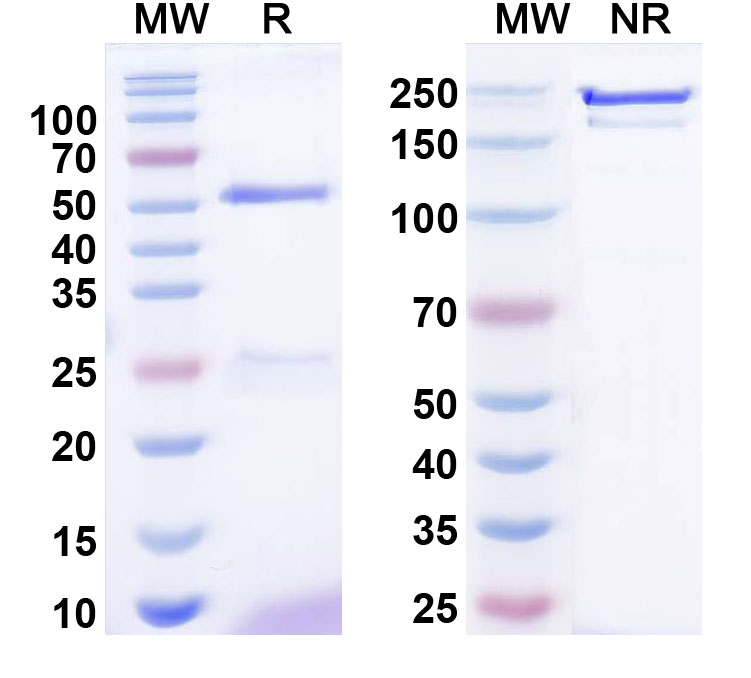
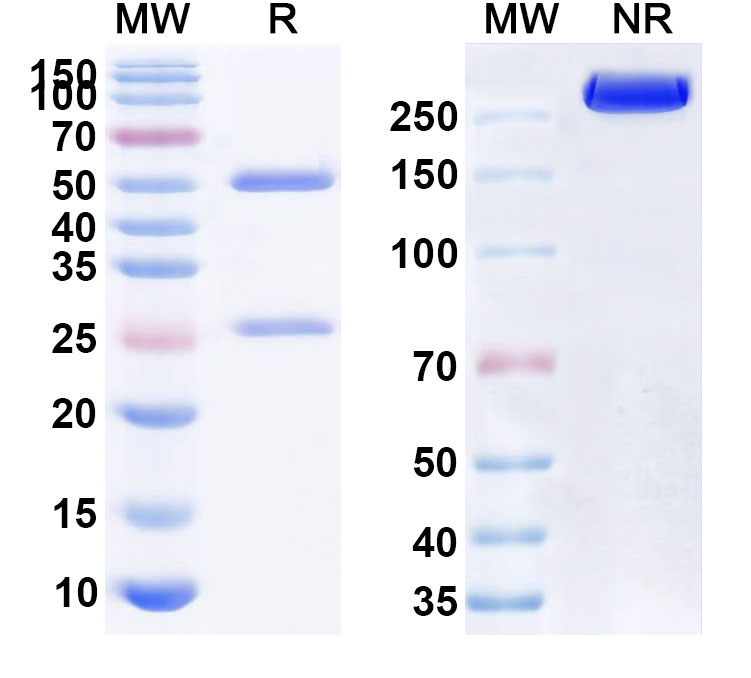
  • SDS-PAGE for MPV15 Fusion glycoprotein F0, N-GST & C-His

    MPV15 Fusion glycoprotein F0, N-GST & C-His

    • ARO-P18061
    Host species:
    Escherichia coli (E.coli)
    Origin species:
    murine pneumonia virus
    Brand:
    ProteoGenix
    Size:
    100ug, 1MG, 50ug
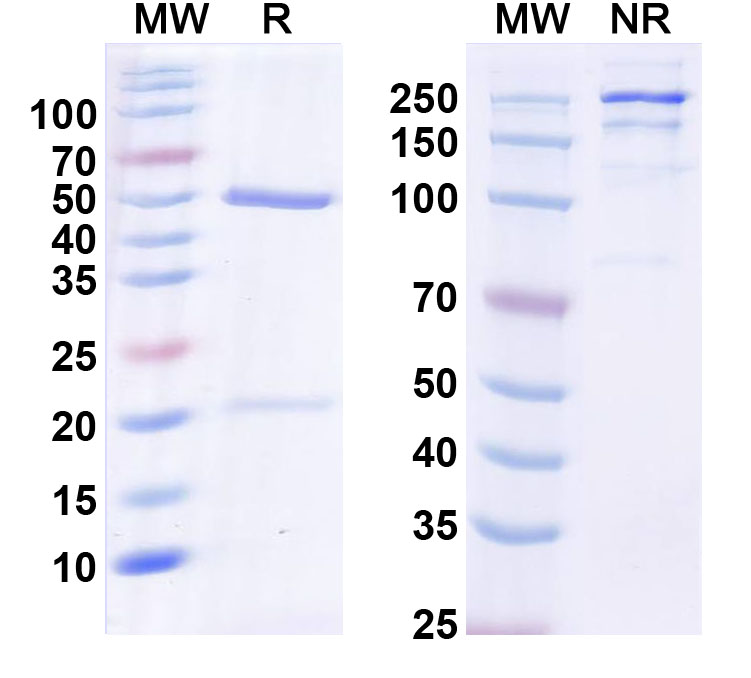
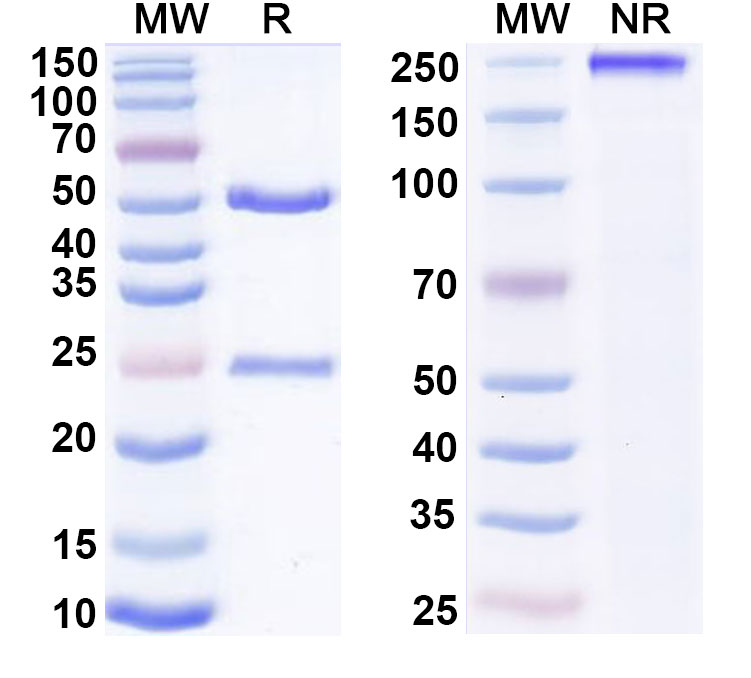
  • SDS-PAGE for MPV15 Fusion glycoprotein F0, N-His

    MPV15 Fusion glycoprotein F0, N-His

    • ARO-P18062
    Host species:
    Escherichia coli (E.coli)
    Origin species:
    murine pneumonia virus
    Brand:
    ProteoGenix
    Size:
    100ug, 1MG, 50ug
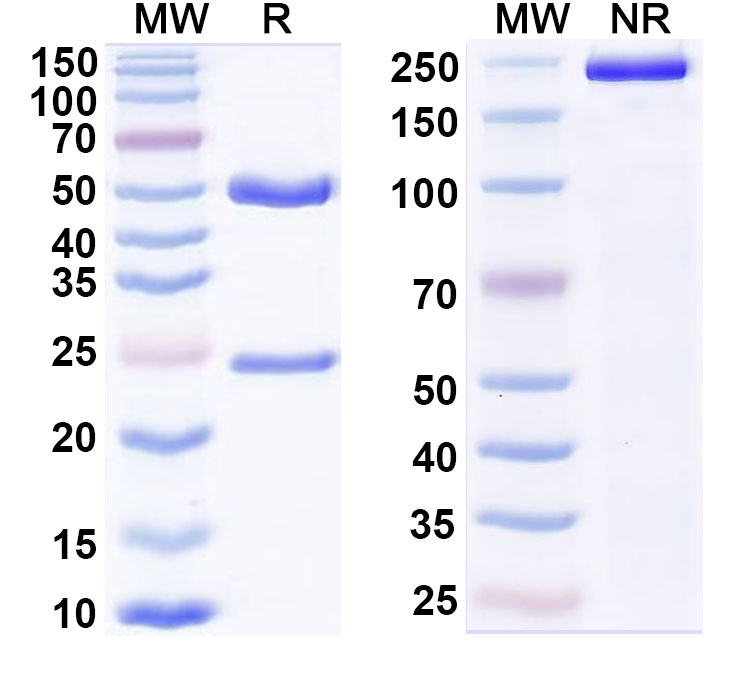
  • MST1R recombinant protein

    MST1R recombinant protein

    • PX-P5212
    Host species:
    Mammalian cells
    Origin species:
    Homo sapiens (Human)
    Brand:
    ProteoGenix
    Size:
    100ug, 1MG, 50ug
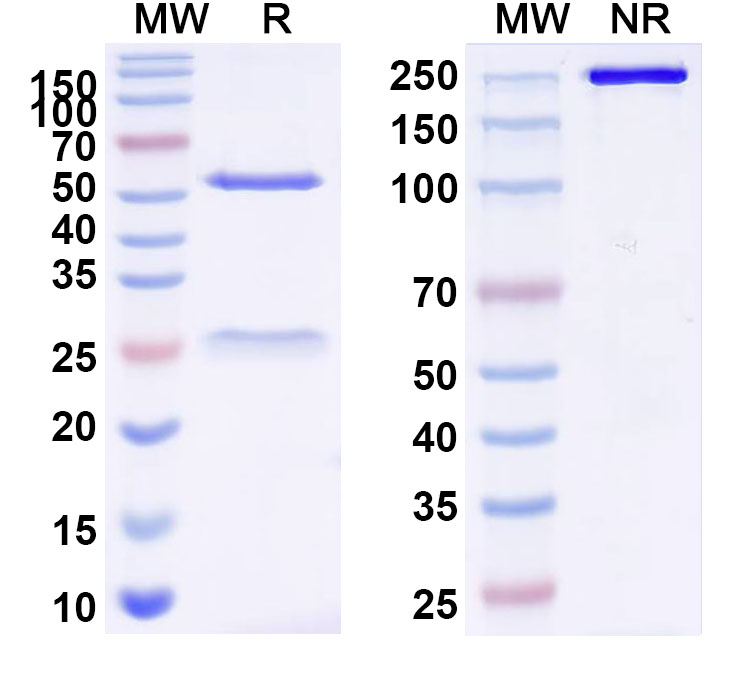
  • Murlentamab Biosimilar - Anti-AMHR2 mAb - Research Grade binds to Human AMHR2 recombinant protein in ELISA Assay

    Murlentamab Biosimilar - Anti-AMHR2 mAb - Research Grade

    • PX-TA1521
    • Validated ELISA
    Clonality:
    Monoclonal Antibody
    Isotype:
    IgG1, kappa
    Brand:
    ProteoGenix
    Size:
    100ug, 1MG, 50ug
  • MYOC Polyclonal Antibody  binds to MYOC, N-His, recombinant protein in WB Assay

    MYOC Polyclonal Antibody

    • PTX18644
    • Validated WB
    Brand:
    ProteoGenix
    Size:
    100ug, 1MG, 50ug
  • NACA Recombinant Protein, N-His

    NACA Recombinant Protein, N-His

    • ARO-P18465
    Host species:
    Escherichia coli (E.coli)
    Origin species:
    Human
    Brand:
    ProteoGenix
    Size:
    100ug, 1MG, 50ug
Business people shaking hands in the office. Group of business persons in business meeting. Two entrepreneurs on meeting in board room. Corporate business team on meeting in modern office. Female manager discussing new project with her colleagues. Company owner on a meeting with her employee in her office.

Need a quote or more information? Contact us!

    Cart (0 Items)

    Your cart is currently empty.

    View Products