Introduction
The use of antibodies as therapeutic agents has revolutionized the treatment of various diseases, including cancer, autoimmune disorders, and infectious diseases. One such antibody, α/γ Antibody (Kwar23) Biosimilar – Anti-BIT mAb, has shown great promise as a potential therapeutic agent. In this article, we will explore the structure, activity, and potential applications of this biosimilar antibody.
Structure of α/γ Antibody (Kwar23) Biosimilar – Anti-BIT mAb
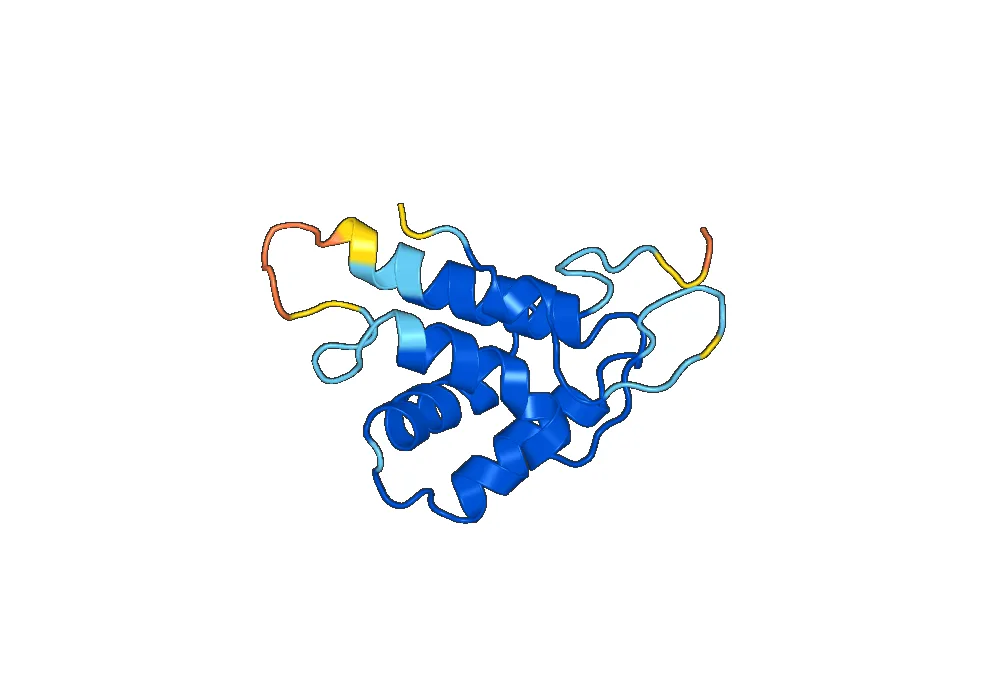
α/γ Antibody (Kwar23) Biosimilar – Anti-BIT mAb is a monoclonal antibody that targets the protein BIT (B cell immunoglobulin-like transcript 3). It is a biosimilar, meaning that it is highly similar to a previously approved antibody, but has been produced by a different manufacturer. This biosimilar antibody is composed of two heavy chains and two light chains, with a total molecular weight of approximately 150 kDa.
Activity of α/γ Antibody (Kwar23) Biosimilar – Anti-BIT mAb
The primary function of α/γ Antibody (Kwar23) Biosimilar – Anti-BIT mAb is to bind specifically to the BIT protein. This binding occurs through the variable regions of the antibody, which are highly specific for the target protein. Once bound, the antibody can exert its therapeutic effects through several mechanisms.
One potential mechanism of action is through the activation of immune cells. When the antibody binds to BIT, it can trigger the activation of immune cells such as natural killer cells, macrophages, and T cells. These activated immune cells can then target and destroy cells expressing BIT, such as cancer cells or infected cells.
Another mechanism of action is through the inhibition of signaling pathways. BIT is known to play a role in promoting cell growth and survival. By binding to BIT, α/γ Antibody (Kwar23) Biosimilar – Anti-BIT mAb can block these signaling pathways and inhibit the growth and survival of cells expressing BIT.
Applications of α/γ Antibody (Kwar23) Biosimilar – Anti-BIT mAb
The unique structure and activity of α/γ Antibody (Kwar23) Biosimilar – Anti-BIT mAb make it a promising therapeutic agent for a variety of diseases. One potential application is in the treatment of cancer. BIT is overexpressed in many types of cancer, and targeting it with this biosimilar antibody could potentially lead to the destruction of cancer cells and inhibition of tumor growth.
In addition to cancer, α/γ Antibody (Kwar23) Biosimilar – Anti-BIT mAb may also have potential applications in autoimmune disorders. BIT has been implicated in the development and progression of autoimmune diseases such as rheumatoid arthritis and multiple sclerosis. By targeting BIT, this biosimilar antibody could potentially modulate the immune response and reduce the symptoms of these disorders.
Furthermore, α/γ Antibody (Kwar23) Biosimilar – Anti-BIT mAb may also have applications in infectious diseases. BIT is expressed on the surface of certain viruses, including HIV and hepatitis C virus. By binding to BIT, this biosimilar antibody could potentially block viral entry into cells and inhibit viral replication.
Conclusion
In summary, α/γ Antibody (Kwar23) Biosimilar – Anti-BIT mAb is a promising therapeutic agent with a unique structure and activity. Its ability to specifically target and bind to the BIT protein makes it a potential treatment option for various diseases, including cancer, autoimmune disorders, and infectious diseases. Further research and clinical trials are needed to fully understand the potential of this biosimilar antibody and its role in improving patient outcomes.


There are no reviews yet.