Get 25% off your first bioreagent online order — use code: PROTEOSHOP25

Brand: ProteoGenix

Anti-Human CD326/EPCAM Monoclonal Antibody (1A561)

Clonality:
Monoclonal Antibody

Original price was: $550.00.Current price is: $393.00.

100ug 29% OFF + 393 loyalty points
Size
  • In Stock
  • Wide range of unique reagents
  • Fast worldwide delivery

Anti-Human CD326/EPCAM Monoclonal Antibody (1A561)

Product name ARO-A23329-100
Delivery condition Blue ice (+4°C)
Delivery lead time in business days 3-5 days if in stock; 3-5 weeks if production needed
Storage condition 4°C for short term (1 week), store at -20°C to -80°C for long term(1 year); Avoid repeated freeze-thaw cycles
Brand ProteoGenix
Aliases /Synonyms Anti-Epithelial cell adhesion molecule, Ep-CAM, Adenocarcinoma-associated antigen, Cell surface glycoprotein Trop-1, Epithelial cell surface antigen, Epithelial glycoprotein, EGP, Epithelial glycoprotein 314, EGP314, hEGP314, KS 1/4 antigen, KSA, Major gastrointestinal tumor-associated protein GA733-2, Tumor-associated calcium signal transducer 1, CD326, EPCAM
Clonality Monoclonal Antibody
Protein Name Epithelial cell adhesion molecule, Ep-CAM, Adenocarcinoma-associated antigen, Cell surface glycoprotein Trop-1, Epithelial cell surface antigen, Epithelial glycoprotein, EGP, Epithelial glycoprotein 314, EGP314, hEGP314, KS 1/4 antigen, KSA, Major gastrointestinal tumor-associated protein GA733-2, Tumor-associated calcium signal transducer 1, CD326, EPCAM
Product name ARO-A23329-1MG
Delivery condition Blue ice (+4°C)
Delivery lead time in business days 3-5 days if in stock; 3-5 weeks if production needed
Storage condition 4°C for short term (1 week), store at -20°C to -80°C for long term(1 year); Avoid repeated freeze-thaw cycles
Brand ProteoGenix
Aliases /Synonyms Anti-Epithelial cell adhesion molecule, Ep-CAM, Adenocarcinoma-associated antigen, Cell surface glycoprotein Trop-1, Epithelial cell surface antigen, Epithelial glycoprotein, EGP, Epithelial glycoprotein 314, EGP314, hEGP314, KS 1/4 antigen, KSA, Major gastrointestinal tumor-associated protein GA733-2, Tumor-associated calcium signal transducer 1, CD326, EPCAM
Clonality Monoclonal Antibody
Protein Name Epithelial cell adhesion molecule, Ep-CAM, Adenocarcinoma-associated antigen, Cell surface glycoprotein Trop-1, Epithelial cell surface antigen, Epithelial glycoprotein, EGP, Epithelial glycoprotein 314, EGP314, hEGP314, KS 1/4 antigen, KSA, Major gastrointestinal tumor-associated protein GA733-2, Tumor-associated calcium signal transducer 1, CD326, EPCAM
Product name ARO-A23329-50
Delivery condition Blue ice (+4°C)
Delivery lead time in business days 3-5 days if in stock; 3-5 weeks if production needed
Storage condition 4°C for short term (1 week), store at -20°C to -80°C for long term(1 year); Avoid repeated freeze-thaw cycles
Brand ProteoGenix
Aliases /Synonyms Anti-Epithelial cell adhesion molecule, Ep-CAM, Adenocarcinoma-associated antigen, Cell surface glycoprotein Trop-1, Epithelial cell surface antigen, Epithelial glycoprotein, EGP, Epithelial glycoprotein 314, EGP314, hEGP314, KS 1/4 antigen, KSA, Major gastrointestinal tumor-associated protein GA733-2, Tumor-associated calcium signal transducer 1, CD326, EPCAM
Clonality Monoclonal Antibody
Protein Name Epithelial cell adhesion molecule, Ep-CAM, Adenocarcinoma-associated antigen, Cell surface glycoprotein Trop-1, Epithelial cell surface antigen, Epithelial glycoprotein, EGP, Epithelial glycoprotein 314, EGP314, hEGP314, KS 1/4 antigen, KSA, Major gastrointestinal tumor-associated protein GA733-2, Tumor-associated calcium signal transducer 1, CD326, EPCAM

Introduction

Anti-Human CD326/EPCAM Monoclonal Antibody (1A561) is a type of monoclonal antibody that specifically targets the CD326 protein, also known as Epithelial Cell Adhesion Molecule (EPCAM). It is a transmembrane glycoprotein that is expressed on the surface of epithelial cells and is involved in cell adhesion and signaling. This antibody has been extensively studied and has shown promising results in various research areas, making it a valuable tool for scientific investigations.

Structure

The Anti-Human CD326/EPCAM Monoclonal Antibody (1A561) is a mouse IgG1 antibody with a molecular weight of approximately 150 kDa. It is composed of two heavy chains and two light chains, each with a constant and a variable region. The variable region is responsible for binding to the CD326 protein, while the constant region determines the antibody’s effector functions. The antibody is produced through hybridoma technology, where mouse B cells are fused with myeloma cells to generate immortalized cell lines that continuously produce the antibody.

Activity

The main activity of Anti-Human CD326/EPCAM Monoclonal Antibody (1A561) is its ability to specifically bind to the CD326 protein on the surface of cells. This binding can lead to various downstream effects, depending on the type of cell and the experimental conditions. In general, the antibody can induce cell signaling, modulate cell adhesion, and trigger antibody-dependent cellular cytotoxicity (ADCC) or complement-dependent cytotoxicity (CDC). These activities have been extensively studied in different research areas and have shown promising results in cancer research, stem cell research, and immunology.

Application in Cancer Research

One of the main applications of Anti-Human CD326/EPCAM Monoclonal Antibody (1A561) is in cancer research. The CD326 protein is overexpressed in many types of cancer, including breast, colon, lung, and pancreatic cancer. The antibody has been used in various studies to target and kill cancer cells through ADCC or CDC mechanisms. It has also been used in combination with other therapies, such as chemotherapy, to enhance their efficacy. Additionally, the antibody has been used as a diagnostic tool to detect and monitor cancer progression, as well as a prognostic marker for predicting patient outcomes.

Application in Stem Cell Research

Another important application of Anti-Human CD326/EPCAM Monoclonal Antibody (1A561) is in stem cell research. The CD326 protein is expressed on the surface of stem cells, and the antibody has been used to isolate and purify these cells from various tissues. This has been particularly useful in the isolation of circulating tumor cells (CTCs), which are rare cancer cells that can be found in the blood of cancer patients. The antibody has also been used to identify and characterize cancer stem cells, which are thought to be responsible for tumor growth and recurrence.

Application in Immunology

In addition to its role in cancer and stem cell research, Anti-Human CD326/EPCAM Monoclonal Antibody (1A561) has also been used in various immunological studies. The CD326 protein is involved in immune cell signaling and has been shown to play a role in T cell activation and proliferation. The antibody has been used to modulate these immune responses and has shown potential as a therapeutic agent in autoimmune diseases and transplantation.

Conclusion

In summary, Anti-Human CD326/EPCAM Monoclonal Antibody (1A561) is a valuable tool in scientific investigations due to its specific targeting of the CD326 protein. Its structure, activity, and applications in cancer research, stem cell research, and immunology make it a versatile and important antibody for studying various biological processes. With ongoing research and advancements in technology, this antibody holds great potential for future discoveries and therapeutic applications.
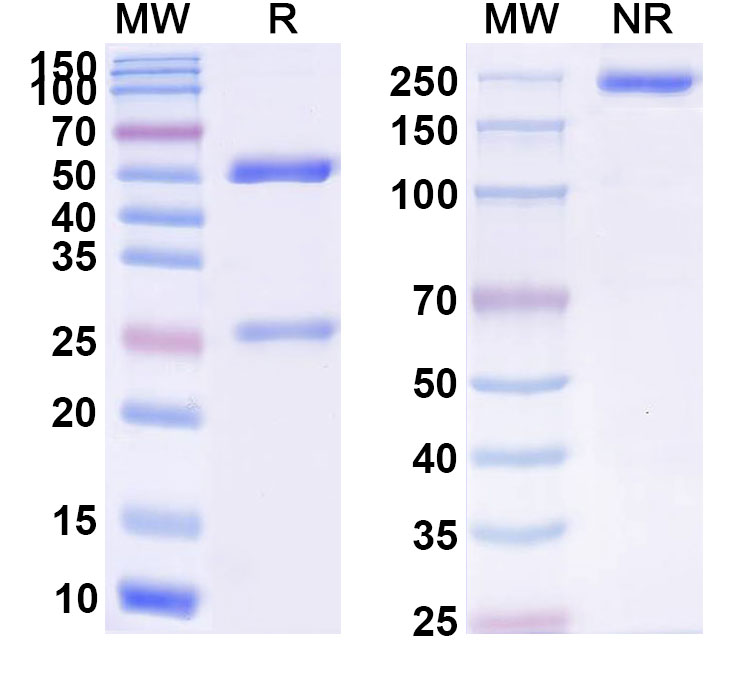
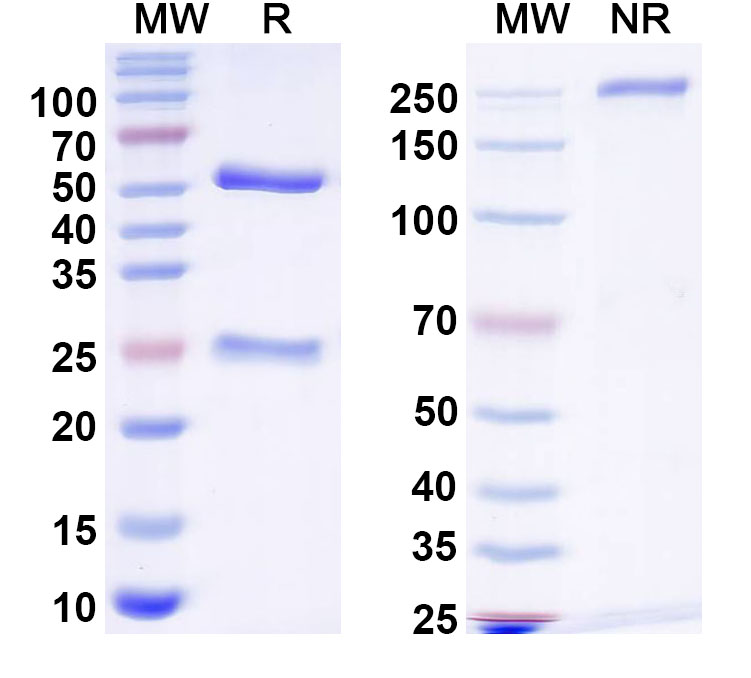
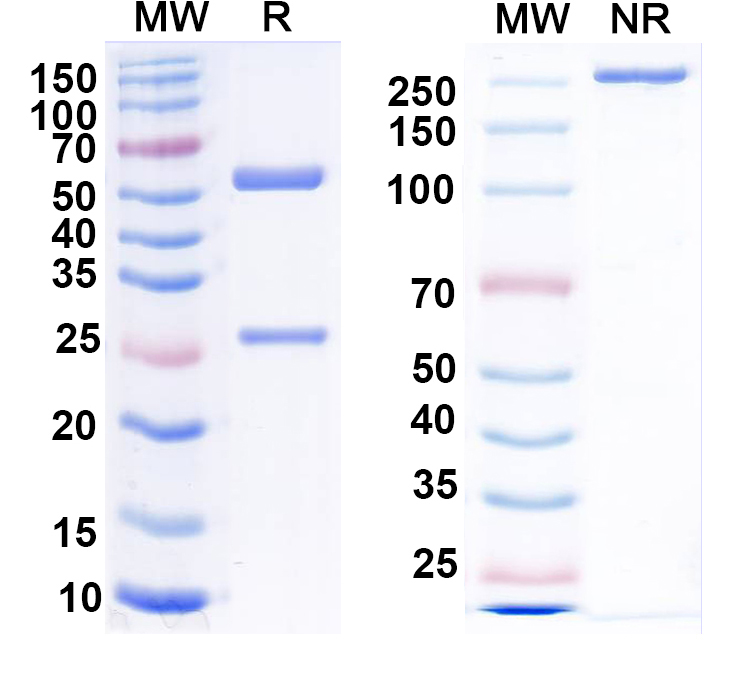
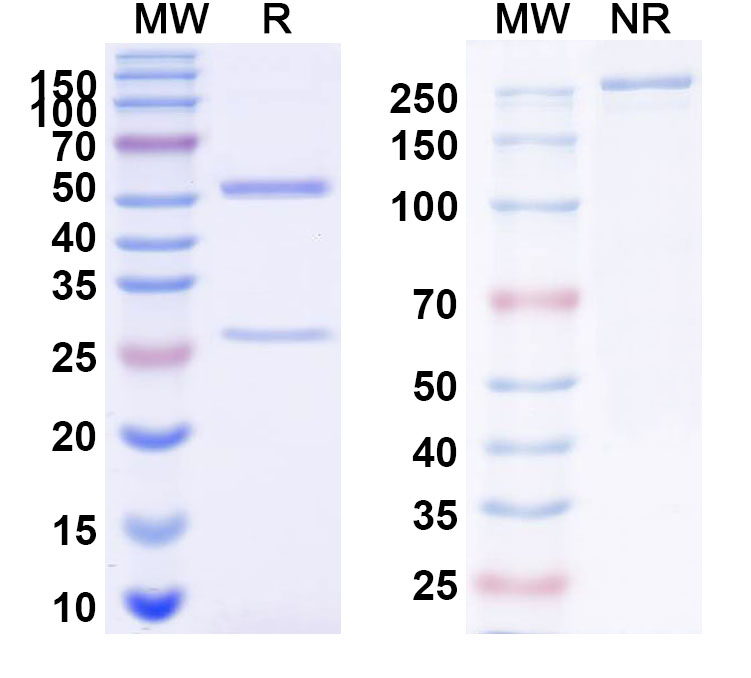
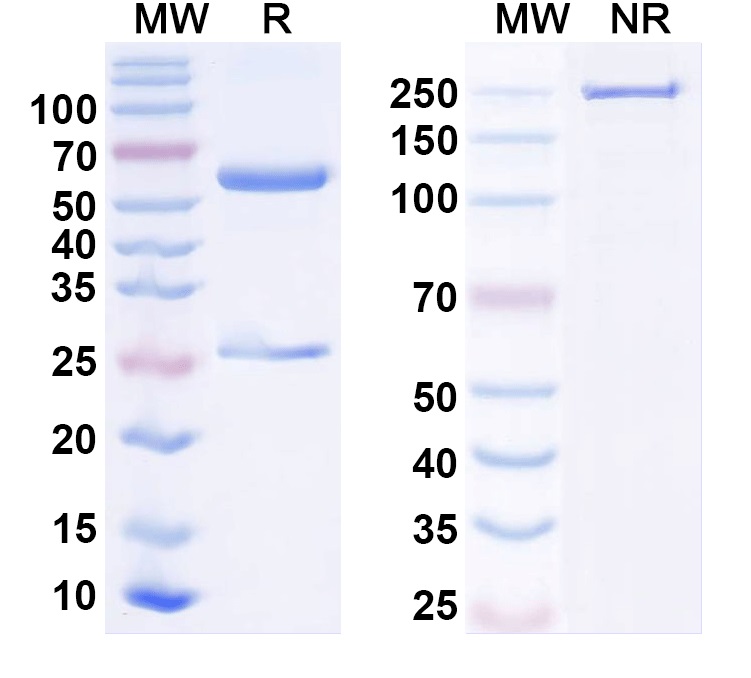
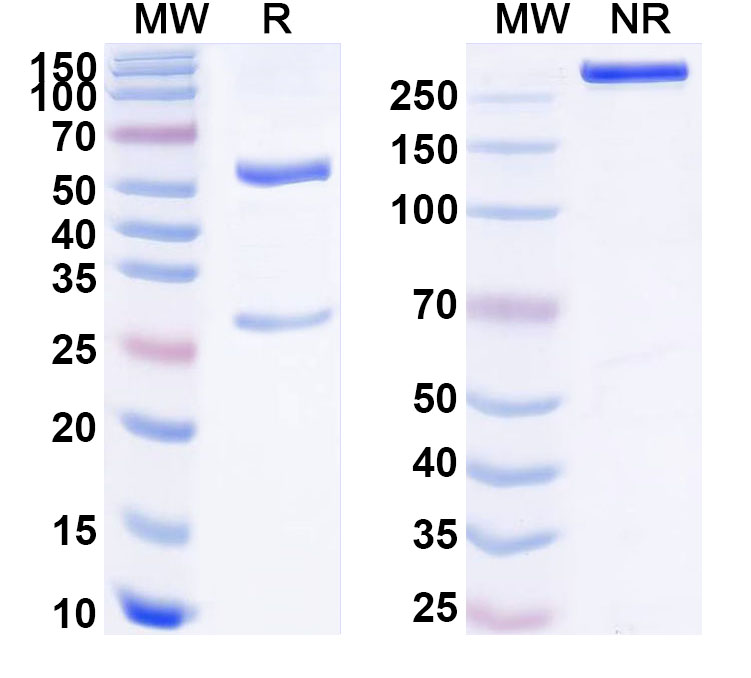
SDS-PAGE for Anti-Human CD326/EPCAM Monoclonal Antibody (1A561)

SDS-PAGE for Anti-Human CD326/EPCAM Monoclonal Antibody (1A561)

Anti-Human CD326/EPCAM Monoclonal Antibody (1A561), on SDS-PAGE. The gel was stained overnight with Coomassie Blue. The purity of the antibody is greater than 95%.

There are no reviews yet.

Be the first to review “Anti-Human CD326/EPCAM Monoclonal Antibody (1A561)”

Your email address will not be published. Required fields are marked *

Related products

Recently viewed products

Loading recently viewed products…

Can’t find what you need?

Our catalog doesn’t cover everything — but our team does. Whether you need a custom antibody, a specific protein variant, or a bulk order, our scientists are here to help.

Contact Our Team Book a Call

Cart (0 Items)

Your cart is currently empty.

View Products