Title: Understanding the Structure and Function of Anti-Human SFTPB Monoclonal Antibody (1A555)
Introduction:
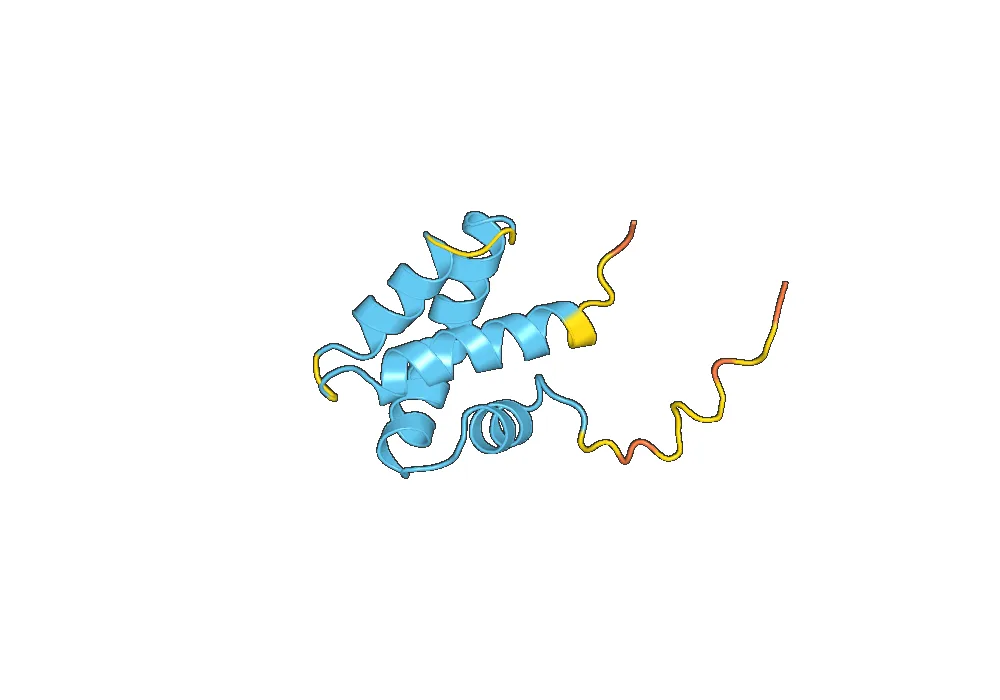
Anti-Human SFTPB Monoclonal Antibody (1A555) is a type of monoclonal antibody that specifically targets the human surfactant protein B (SFTPB). This protein is an essential component of pulmonary surfactant, which plays a crucial role in maintaining the structure and function of the lungs. In this article, we will delve into the structure, activity, and potential applications of Anti-Human SFTPB Monoclonal Antibody (1A555).
Structure of Anti-Human SFTPB Monoclonal Antibody (1A555):
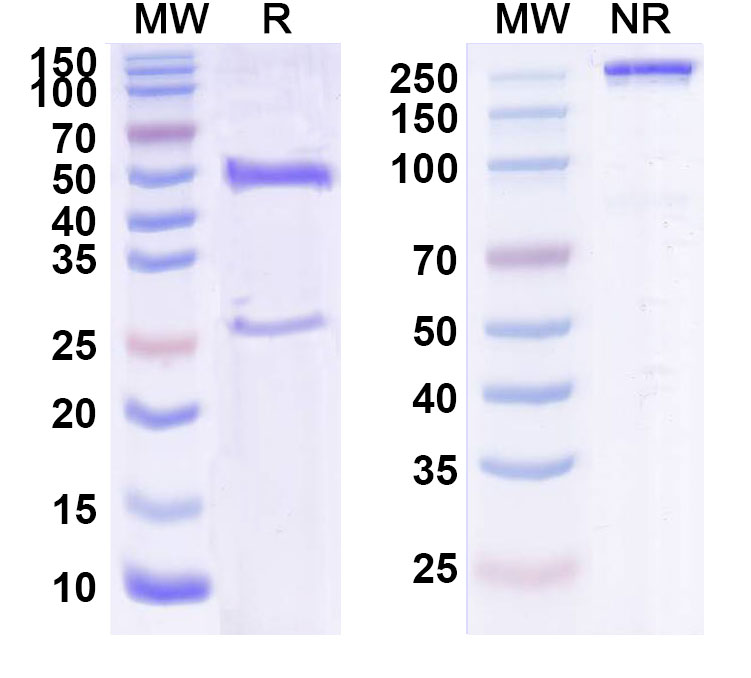
Anti-Human SFTPB Monoclonal Antibody (1A555) is a type of immunoglobulin G (IgG) antibody that is produced by cloning a single B cell. It is composed of two identical heavy chains and two identical light chains, joined together by disulfide bonds. The variable regions of the antibody, which are responsible for binding to the target protein, are located at the tips of the Y-shaped molecule. The constant regions of the antibody provide stability and determine its effector functions.
Activity of Anti-Human SFTPB Monoclonal Antibody (1A555):
Anti-Human SFTPB Monoclonal Antibody (1A555) binds specifically to the SFTPB protein, which is primarily expressed in the alveolar type II cells of the lungs. This binding can result in several activities, including neutralization, agglutination, and complement activation. Neutralization refers to the ability of the antibody to block the function of SFTPB, which is essential for maintaining the surface tension of the alveoli. Agglutination involves the clumping of SFTPB molecules, which can prevent them from performing their function. Complement activation is a cascade of immune responses that can lead to the destruction of cells expressing SFTPB.
Applications of Anti-Human SFTPB Monoclonal Antibody (1A555):
1. Research tool:
Anti-Human SFTPB Monoclonal Antibody (1A555) can be used as a research tool to study the structure and function of SFTPB. It can also be used to investigate the role of SFTPB in various lung diseases, such as acute respiratory distress syndrome (ARDS) and cystic fibrosis.
2. Diagnosis of lung diseases:
Since SFTPB is primarily expressed in the lungs, the detection of its levels can be used as a diagnostic marker for lung diseases. Anti-Human SFTPB Monoclonal Antibody (1A555) can be used in immunoassays to measure the levels of SFTPB in patient samples.
3. Therapeutic potential:
Anti-Human SFTPB Monoclonal Antibody (1A555) has the potential to be developed as a therapeutic agent for lung diseases. By targeting and neutralizing SFTPB, it can help restore the surface tension of the alveoli and improve lung function in patients with ARDS or cystic fibrosis.
4. Drug development:
The binding site of Anti-Human SFTPB Monoclonal Antibody (1A555) on the SFTPB protein can serve as a target for drug development. Drugs that mimic the binding of the antibody to SFTPB can potentially be developed to treat lung diseases.
Conclusion:
In summary, Anti-Human SFTPB Monoclonal Antibody (1A555) is a valuable tool for studying the structure and function of SFTPB. Its specific binding to SFTPB makes it a potential diagnostic and therapeutic agent for various lung diseases. Further research and development of this antibody may lead to new treatments for lung diseases and improve the overall understanding of SFTPB biology.

There are no reviews yet.