Introduction
The Anti-Mouse TREM2 Antibody (4D9) is a monoclonal antibody that specifically targets the mouse form of the Triggering Receptor Expressed on Myeloid cells 2 (TREM2). This antibody has been extensively studied and has shown promising results in various research areas, including neurodegenerative diseases and immune system regulation. In this article, we will provide a comprehensive description of the structure, activity, and applications of this antibody.
Structure of Anti-Mouse TREM2 Antibody (4D9)
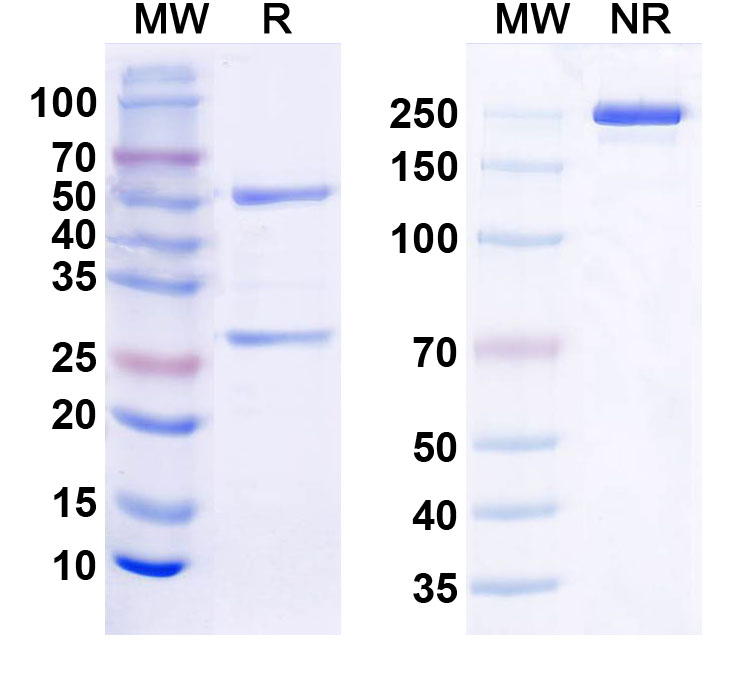
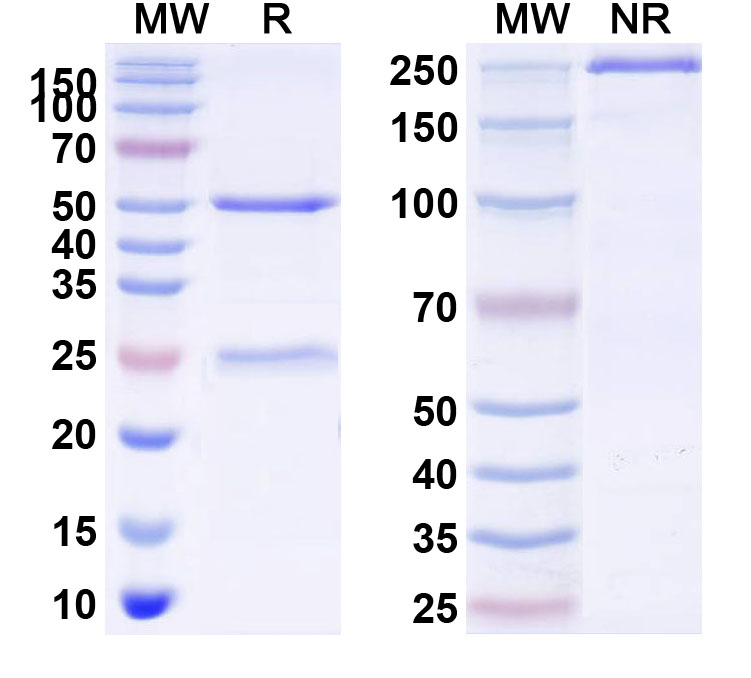
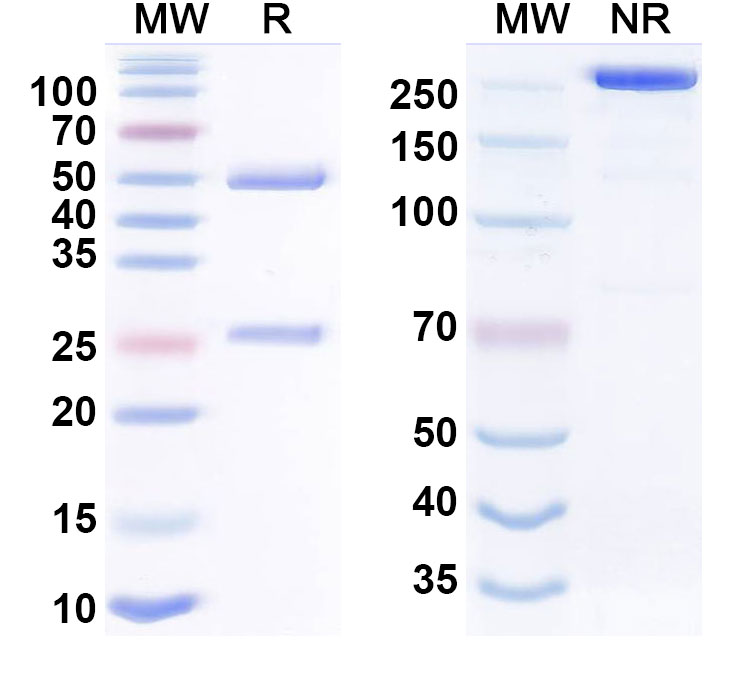
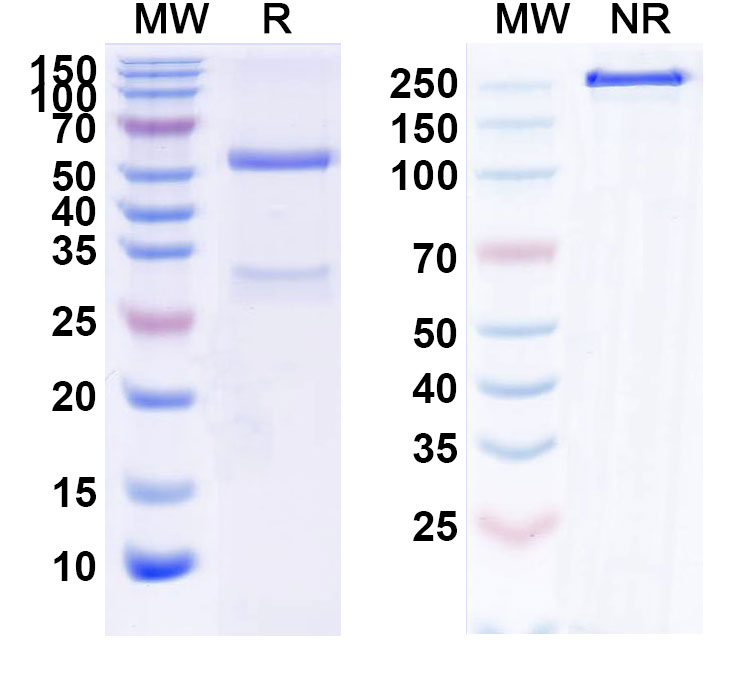
The Anti-Mouse TREM2 Antibody (4D9) is a monoclonal antibody, meaning it is produced by a single type of immune cell. It is composed of two identical heavy chains and two identical light chains, linked together by disulfide bonds. The heavy chains are approximately 50 kDa in size, while the light chains are approximately 25 kDa. The antibody has a Y-shaped structure, with two antigen-binding sites at the tips of the Y. These sites are responsible for the specific recognition and binding of the TREM2 protein.
Activity of Anti-Mouse TREM2 Antibody (4D9)
The main activity of the Anti-Mouse TREM2 Antibody (4D9) is its ability to bind to the TREM2 protein. TREM2 is a transmembrane receptor expressed on the surface of myeloid cells, such as macrophages and microglia. It plays a crucial role in the regulation of immune responses and has been implicated in various diseases, including Alzheimer’s disease and multiple sclerosis.
When the Anti-Mouse TREM2 Antibody (4D9) binds to TREM2, it can modulate its activity and signaling pathways. This can lead to changes in the behavior of myeloid cells, such as altered cytokine production and phagocytic activity. Additionally, the antibody can induce the internalization and degradation of TREM2, which can further impact its function.
Applications of Anti-Mouse TREM2 Antibody (4D9)
The Anti-Mouse TREM2 Antibody (4D9) has been used in various research areas due to its ability to specifically target the mouse form of TREM2. Some of the key applications of this antibody include:
1. Neurodegenerative diseases
TREM2 has been linked to several neurodegenerative diseases, including Alzheimer’s disease, Parkinson’s disease, and frontotemporal dementia. The Anti-Mouse TREM2 Antibody (4D9) has been used in studies to investigate the role of TREM2 in these diseases and its potential as a therapeutic target.
2. Immune system regulation
TREM2 is involved in the regulation of immune responses, and its dysfunction has been linked to autoimmune diseases such as multiple sclerosis. The Anti-Mouse TREM2 Antibody (4D9) has been used to study the role of TREM2 in immune system regulation and its potential as a therapeutic target for autoimmune diseases.
3. Inflammation
The Anti-Mouse TREM2 Antibody (4D9) has also been used in studies investigating the role of TREM2 in inflammation. TREM2 has been shown to modulate the inflammatory response, and the antibody has been used to study its impact on inflammatory diseases such as rheumatoid arthritis and inflammatory bowel disease.
4. Cancer
Recent studies have also suggested a potential role for TREM2 in cancer progression. The Anti-Mouse TREM2 Antibody (4D9) has been used to investigate the expression and function of TREM2 in various types of cancer, including breast cancer and glioblastoma.
Conclusion
In summary, the Anti-Mouse TREM2 Antibody (4D9) is a valuable tool for studying the role of TREM2 in various diseases and biological processes. Its specific targeting



There are no reviews yet.