Introduction
The Anti-Pan-pY/pTyr/Phosphotyrosine Antibody (4G10) is a highly specific antibody that recognizes and binds to phosphorylated tyrosine residues in proteins. This antibody has been widely used in research and has also shown potential as a therapeutic target for various diseases. In this article, we will discuss the structure, activity and applications of the Anti-Pan-pY/pTyr/Phosphotyrosine Antibody (4G10).
Structure of Anti-Pan-pY/pTyr/Phosphotyrosine Antibody (4G10)
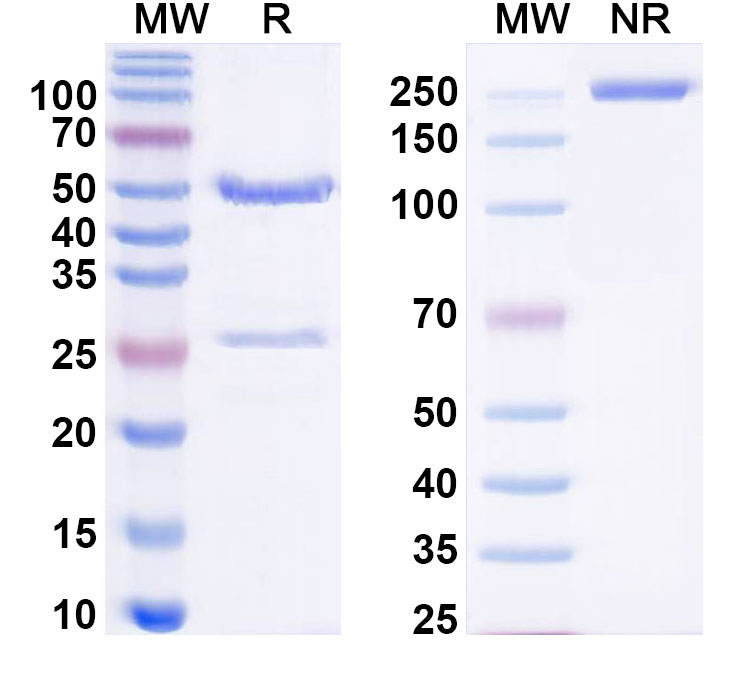
The Anti-Pan-pY/pTyr/Phosphotyrosine Antibody (4G10) is a monoclonal antibody that is produced by hybridoma cells derived from mice immunized with a synthetic phosphotyrosine-containing peptide. It is a member of the immunoglobulin G (IgG) class of antibodies and has a molecular weight of approximately 150 kDa. The antibody has a heavy chain and a light chain, each consisting of variable and constant regions. The variable regions are responsible for binding to the phosphorylated tyrosine residues, while the constant regions determine the effector functions of the antibody.
Activity of Anti-Pan-pY/pTyr/Phosphotyrosine Antibody (4G10)
The Anti-Pan-pY/pTyr/Phosphotyrosine Antibody (4G10) specifically recognizes and binds to phosphorylated tyrosine residues in proteins. This activity is mediated by the variable regions of the antibody, which contain complementary amino acid sequences that can bind to the phosphorylated tyrosine residues with high affinity and specificity. The binding of the antibody to the phosphorylated tyrosine residues can lead to changes in the conformation and function of the target protein, as well as the recruitment of other signaling molecules.
Moreover, the Anti-Pan-pY/pTyr/Phosphotyrosine Antibody (4G10) can also activate the immune system to target and eliminate cells that display phosphorylated tyrosine residues on their surface. This makes it a valuable tool for immunotherapy in diseases where abnormal tyrosine phosphorylation is involved, such as cancer.
Applications of Anti-Pan-pY/pTyr/Phosphotyrosine Antibody (4G10)
The Anti-Pan-pY/pTyr/Phosphotyrosine Antibody (4G10) has a wide range of applications in research and has also shown potential as a therapeutic target in various diseases. Some of its key applications are:
1. Identification and detection of phosphorylated proteins
The Anti-Pan-pY/pTyr/Phosphotyrosine Antibody (4G10) is widely used in research to identify and detect proteins that are phosphorylated on tyrosine residues. This can provide insights into the signaling pathways and cellular processes that are regulated by tyrosine phosphorylation, and can also help in the discovery of new therapeutic targets.
2. Western blotting
The Anti-Pan-pY/pTyr/Phosphotyrosine Antibody (4G10) is commonly used in western blotting to detect phosphorylated proteins in complex protein mixtures. This technique allows for the specific detection of phosphorylated proteins, which can be useful in studying the effects of various stimuli or treatments on protein phosphorylation.
3. Immunohistochemistry
The Anti-Pan-pY/pTyr/Phosphotyrosine Antibody (4G10) is also used in immunohistochemistry to visualize the distribution and localization of phosphorylated proteins in tissue samples. This can provide valuable information about the role of tyrosine phosphorylation in various diseases and can aid in the development of targeted therapies.

There are no reviews yet.