DC8E8 Biosimilar – Anti-tau mAb: A Promising Therapeutic Antibody for Alzheimer’s Disease
Introduction
DC8E8 Biosimilar – Anti-tau mAb is a novel therapeutic antibody that has shown promising results in pre-clinical studies for the treatment of Alzheimer’s disease (AD). It is a biosimilar version of the anti-tau monoclonal antibody (mAb) DC8E8, which has been extensively studied for its potential in targeting tau protein, a key pathological hallmark of AD.
Structure of DC8E8 Biosimilar – Anti-tau mAb
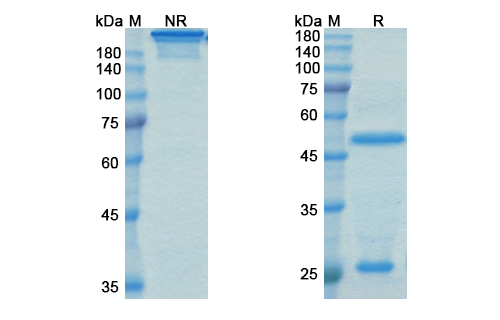
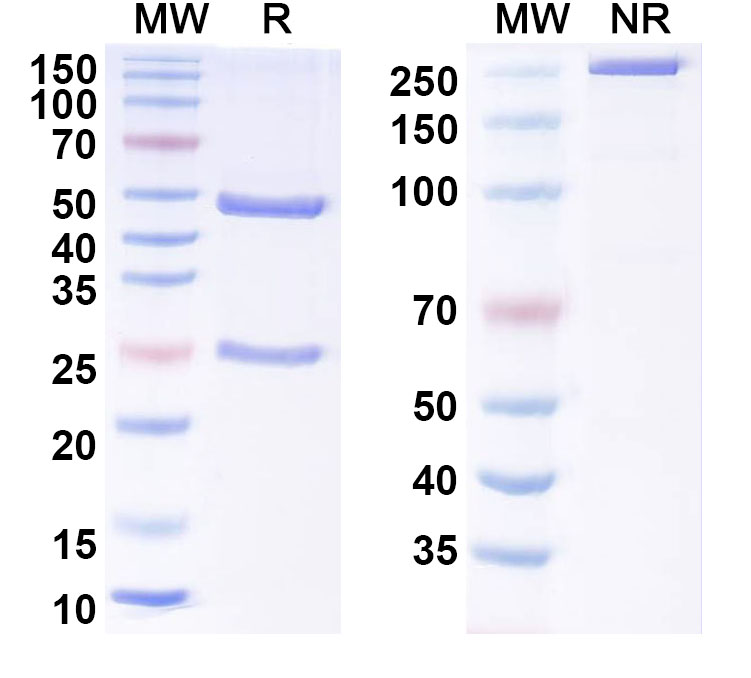
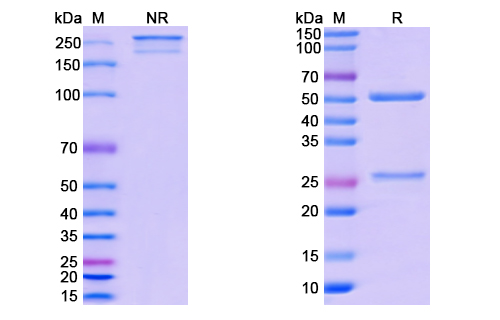
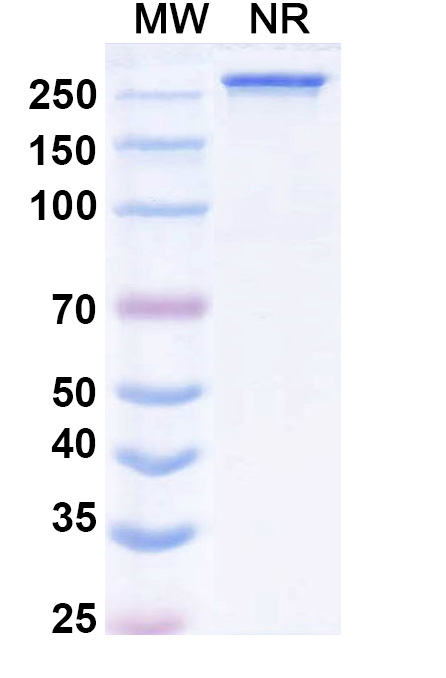
DC8E8 Biosimilar – Anti-tau mAb is a recombinant humanized mAb, meaning that it is derived from human antibodies but has been modified for improved efficacy and reduced immunogenicity. It consists of two identical heavy chains and two identical light chains, each with a variable region and a constant region. The variable region is responsible for binding to the target protein, while the constant region determines the antibody’s effector functions.
Activity of DC8E8 Biosimilar – Anti-tau mAb
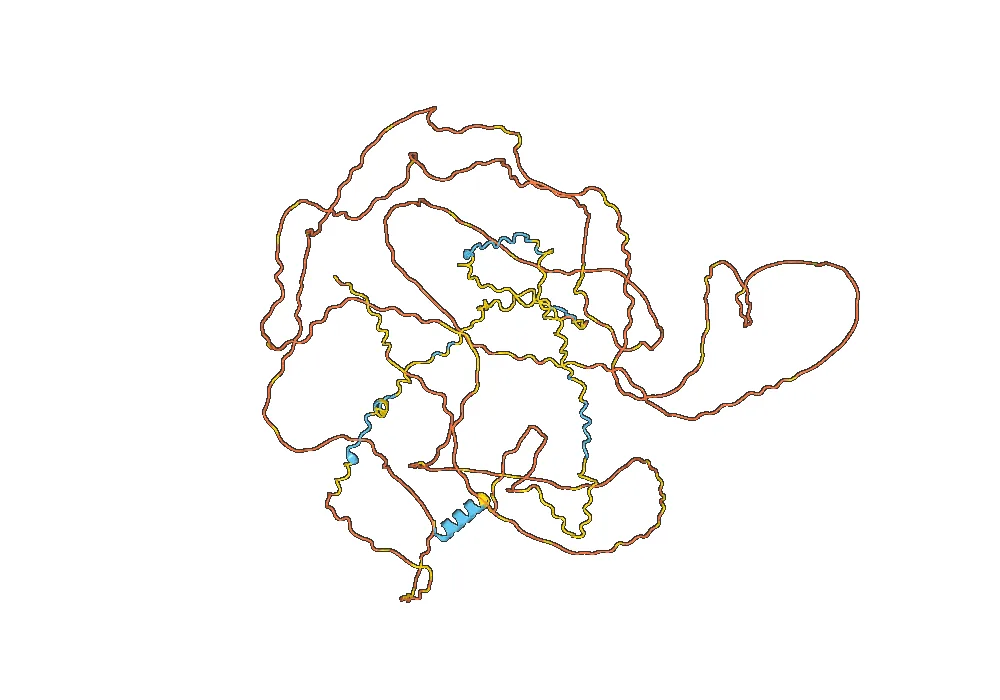
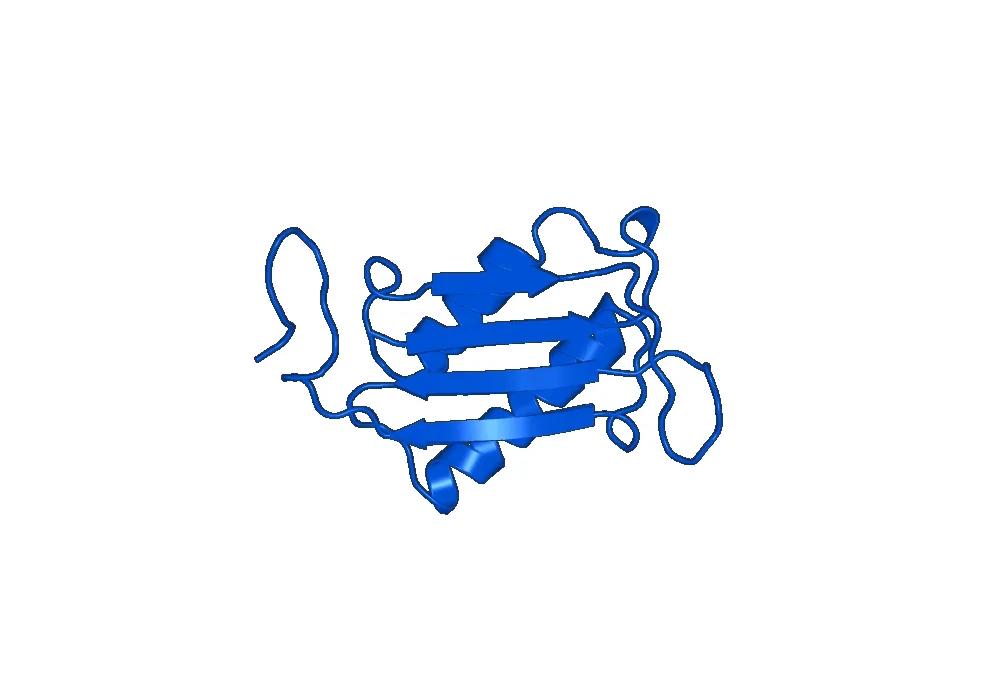
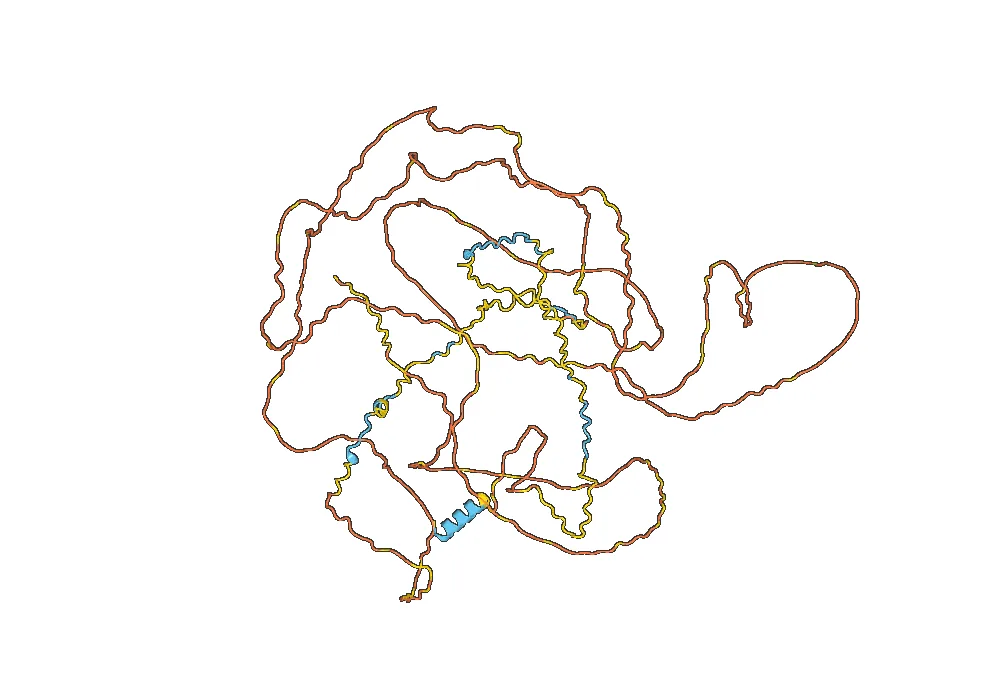
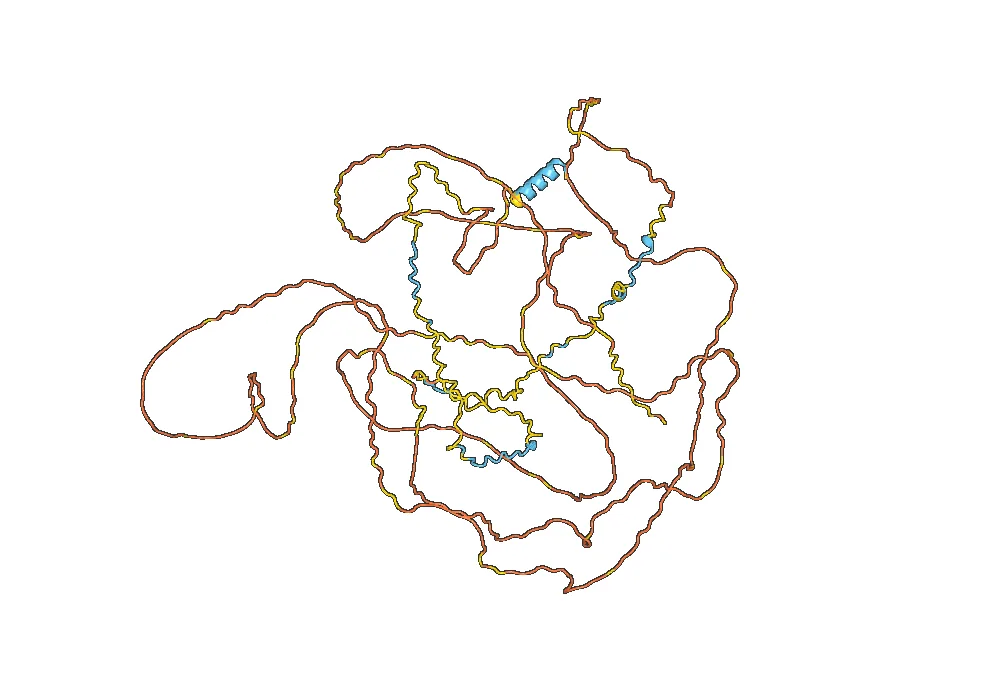
DC8E8 Biosimilar – Anti-tau mAb specifically targets and binds to tau protein, which plays a crucial role in the development and progression of AD. Tau protein is known to form abnormal clumps in the brain, leading to the formation of neurofibrillary tangles, a hallmark of AD. By binding to tau protein, DC8E8 Biosimilar – Anti-tau mAb can prevent its aggregation and promote its clearance, thereby potentially slowing down the progression of AD.
In addition to its direct binding to tau protein, DC8E8 Biosimilar – Anti-tau mAb also has effector functions that can contribute to its therapeutic activity. These include antibody-dependent cellular cytotoxicity (ADCC) and complement-dependent cytotoxicity (CDC), which can help in the elimination of tau protein and reduce inflammation in the brain.
Application of DC8E8 Biosimilar – Anti-tau mAb
DC8E8 Biosimilar – Anti-tau mAb has shown promising results in pre-clinical studies for the treatment of AD. It has been shown to effectively reduce tau protein levels, prevent its aggregation, and improve cognitive function in animal models of AD. These results have led to the initiation of clinical trials to evaluate the safety and efficacy of DC8E8 Biosimilar – Anti-tau mAb in patients with AD.
In addition to its potential in AD, DC8E8 Biosimilar – Anti-tau mAb may also have applications in other tauopathies, such as frontotemporal dementia and progressive supranuclear palsy. These are neurodegenerative disorders characterized by the abnormal accumulation of tau protein, and DC8E8 Biosimilar – Anti-tau mAb’s ability to target and clear tau protein could be beneficial in these conditions as well.
Conclusion
DC8E8 Biosimilar – Anti-tau mAb is a promising therapeutic antibody for the treatment of AD and other tauopathies. Its unique ability to target and clear tau protein, along with its effector functions, make it a potential disease-modifying treatment for these devastating neurodegenerative disorders. Further clinical studies will provide more insights into the safety and efficacy of DC8E8 Biosimilar – Anti-tau mAb, and if successful, it could potentially offer a new treatment option for patients with AD.


There are no reviews yet.