Gosuranemab Biosimilar – Anti-MAPT mAb – Research Grade Gosuranemab Biosimilar – An Effective Antibody Against MAPT Introduction
Gosuranemab Biosimilar is a monoclonal antibody (mAb) that specifically targets the microtubule-associated protein tau (MAPT). This biosimilar is a highly effective therapeutic agent with potential applications in the treatment of various neurological disorders, including Alzheimer’s disease and frontotemporal dementia.
Structure of Gosuranemab Biosimilar
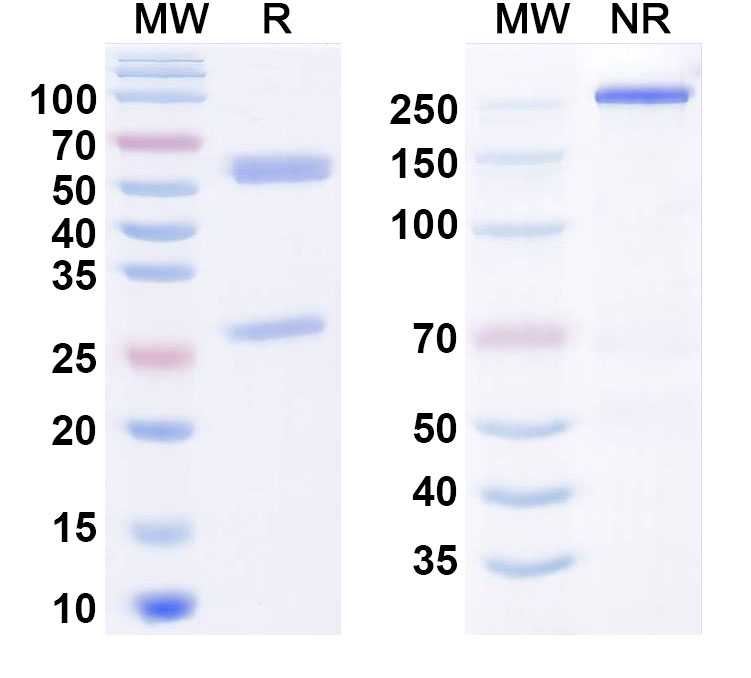
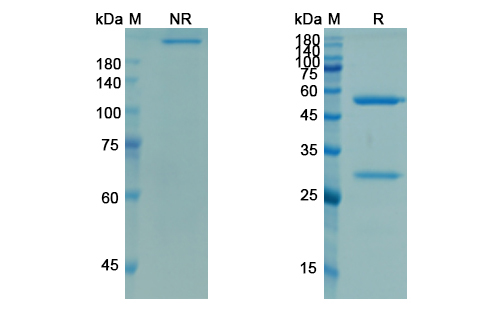
Gosuranemab Biosimilar is a recombinant humanized IgG1 monoclonal antibody with a molecular weight of approximately 150 kDa. It is produced using advanced cell culture techniques and has a high degree of structural similarity to the original antibody, gosuranemab.
The antibody consists of two heavy chains and two light chains, each containing a variable region and a constant region. The variable region is responsible for binding to the target antigen, MAPT, while the constant region determines the antibody’s effector functions.
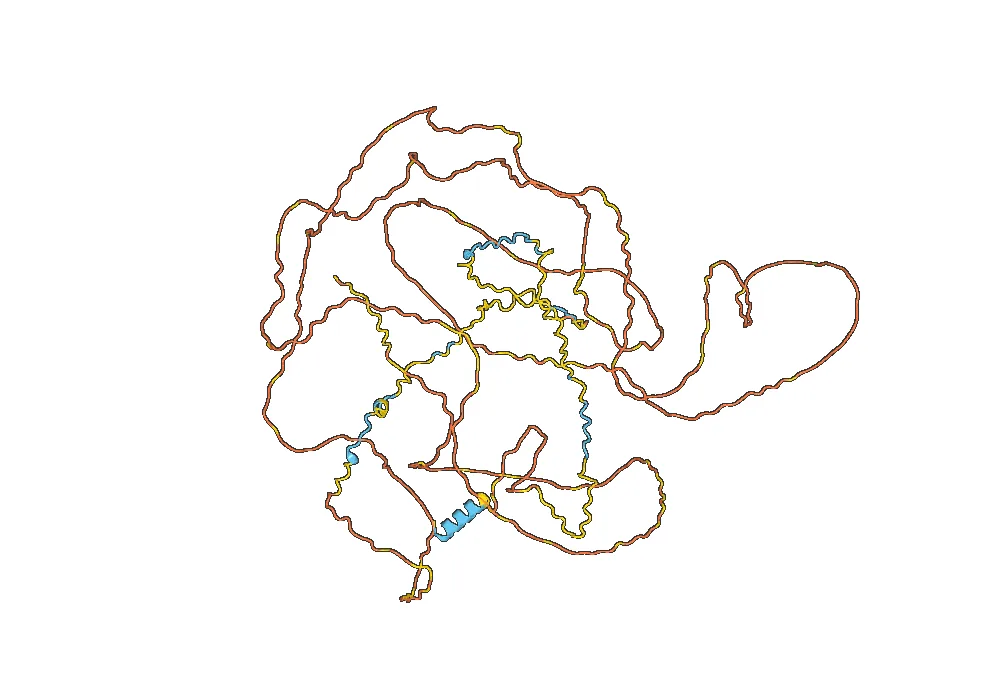
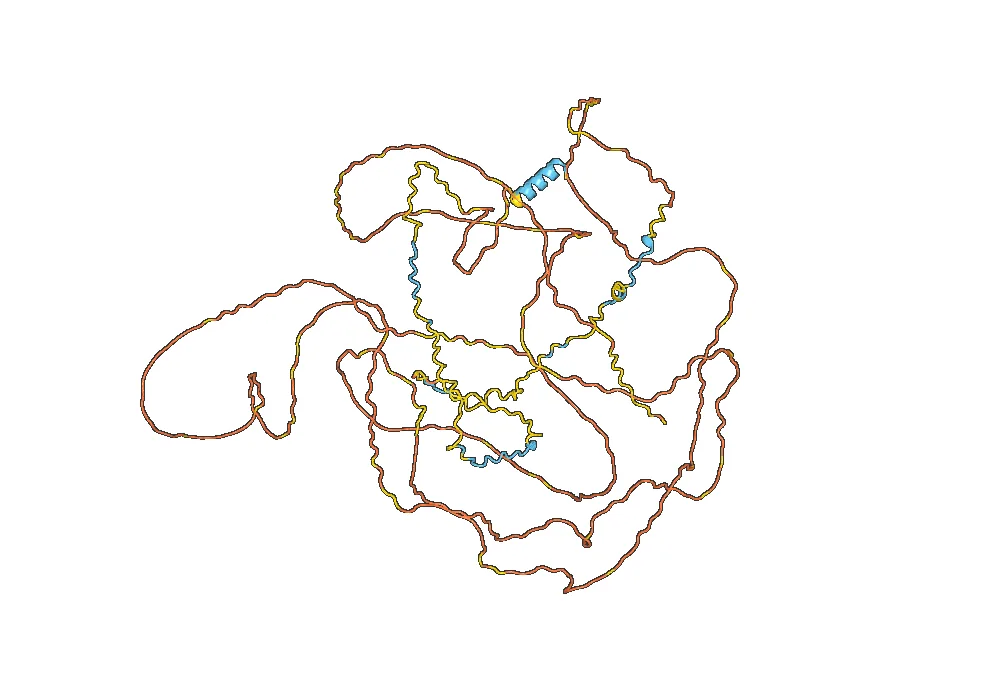
Gosuranemab Biosimilar has a unique structure that allows it to bind to multiple sites on the surface of MAPT, making it a highly potent and specific inhibitor of tau aggregation.
Mechanism of Action
The primary mechanism of action of Gosuranemab Biosimilar is the inhibition of tau aggregation. Tau is a protein that plays a crucial role in maintaining the structure and function of nerve cells. In neurodegenerative diseases such as Alzheimer’s and frontotemporal dementia, tau becomes abnormally phosphorylated and aggregates, leading to the formation of neurofibrillary tangles and neuronal dysfunction.
Gosuranemab Biosimilar binds to tau and prevents its aggregation, thereby preserving the integrity of nerve cells and improving their function. It also promotes the clearance of existing tau aggregates through interactions with the immune system.
Applications of Gosuranemab Biosimilar
Gosuranemab Biosimilar has shown promising results in preclinical and clinical studies as a potential treatment for Alzheimer’s disease and frontotemporal dementia. It has also been investigated for its potential in other neurodegenerative disorders such as Parkinson’s disease and progressive supranuclear palsy.
Additionally, Gosuranemab Biosimilar has potential applications in research and diagnostic settings. Its high specificity and affinity for MAPT make it a valuable tool for studying tau pathology and developing biomarkers for neurodegenerative diseases.
Research Grade Biosimilar
Gosuranemab Biosimilar is currently available as a research grade antibody, which is suitable for use in laboratory experiments and preclinical studies. It is produced under strict quality control measures and has been extensively characterized to ensure consistency and reliability in research applications.
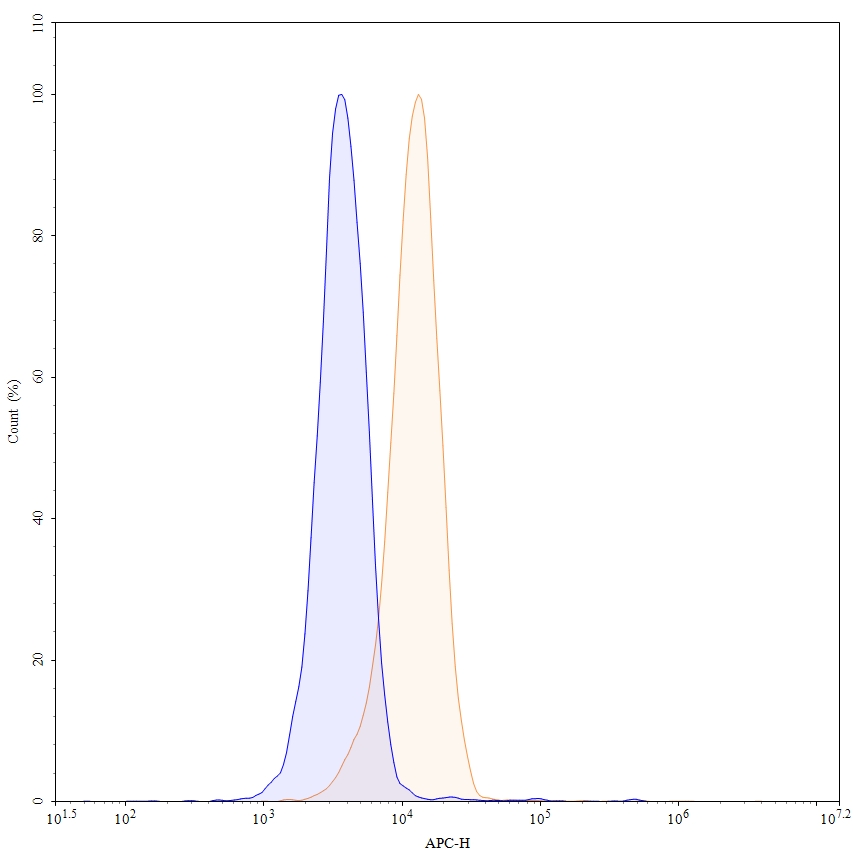
Furthermore, the research grade biosimilar has been shown to have similar binding and functional properties to the original gosuranemab antibody, making it a valuable tool for researchers in the field of neurodegenerative diseases.
Conclusion
In summary, Gosuranemab Biosimilar is a highly effective antibody that specifically targets MAPT and inhibits tau aggregation. Its unique structure and mechanism of action make it a promising therapeutic agent for the treatment of neurodegenerative diseases, and its research grade form provides a valuable tool for further research and development in this field.
With its potential to improve the lives of patients with Alzheimer’s disease and other neurodegenerative disorders, Gosuranemab Biosimilar is a significant advancement in the field of antibody-based therapies.


There are no reviews yet.