Introduction
Zagotenemab Biosimilar is a research grade antibody that targets the microtubule-associated protein tau (MAPT). This antibody has shown promising results in preclinical studies and is being developed as a potential therapeutic for various neurodegenerative diseases, including Alzheimer’s disease and frontotemporal dementia.
Structure of Zagotenemab Biosimilar
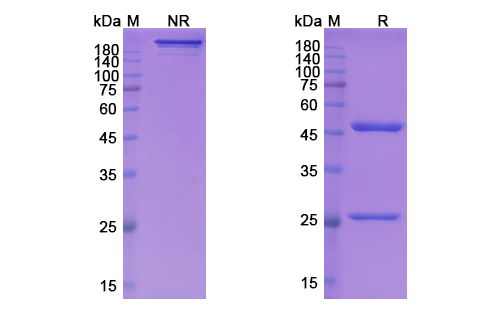
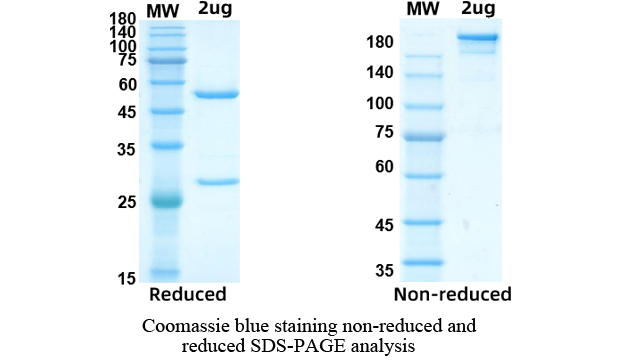
Zagotenemab Biosimilar is a monoclonal antibody (mAb) that specifically binds to the tau protein. It is a humanized IgG1 antibody, meaning that it is derived from human antibodies but has been modified to reduce potential immune reactions. The antibody has a molecular weight of approximately 150 kDa and consists of two heavy chains and two light chains.
The variable regions of the antibody, which are responsible for binding to the target protein, are derived from a mouse anti-tau antibody. These regions have been engineered to have high affinity and specificity for tau, while the constant regions are derived from human antibodies to minimize potential immunogenicity.
Mechanism of Action
Zagotenemab Biosimilar works by binding to tau proteins and preventing their aggregation. In neurodegenerative diseases such as Alzheimer’s, tau proteins can form abnormal clumps in the brain, leading to neuronal damage and cognitive decline. By binding to tau, Zagotenemab Biosimilar can prevent these clumps from forming and potentially slow down the progression of the disease.
In addition to its direct effects on tau, Zagotenemab Biosimilar may also have anti-inflammatory properties. It has been shown to reduce the levels of pro-inflammatory cytokines in animal models, which could further contribute to its therapeutic potential.
Applications of Zagotenemab Biosimilar
Zagotenemab Biosimilar is being developed as a potential therapeutic for various neurodegenerative diseases, with a focus on Alzheimer’s disease and frontotemporal dementia. These diseases are characterized by the accumulation of tau proteins in the brain, making them ideal targets for an anti-MAPT mAb.
Currently, Zagotenemab Biosimilar is in the preclinical stage of development. It has shown promising results in animal models, including reduced tau aggregation and improved cognitive function. Further studies are needed to determine its safety and efficacy in humans.
Advantages of Zagotenemab Biosimilar
Compared to other potential treatments for neurodegenerative diseases, Zagotenemab Biosimilar has several advantages. Firstly, as a monoclonal antibody, it has high specificity and can target tau proteins specifically without affecting other proteins in the brain. This reduces the risk of side effects and potential toxicity.
Secondly, as a research grade antibody, Zagotenemab Biosimilar can be easily produced in large quantities for clinical trials. This makes it a cost-effective option for potential future treatments.
Conclusion
Zagotenemab Biosimilar is a promising antibody that targets the microtubule-associated protein tau. Its unique structure and mechanism of action make it a potential therapeutic for neurodegenerative diseases such as Alzheimer’s and frontotemporal dementia. Further research and clinical trials are needed to fully evaluate its potential as a treatment option for these devastating diseases.


There are no reviews yet.