Introduction
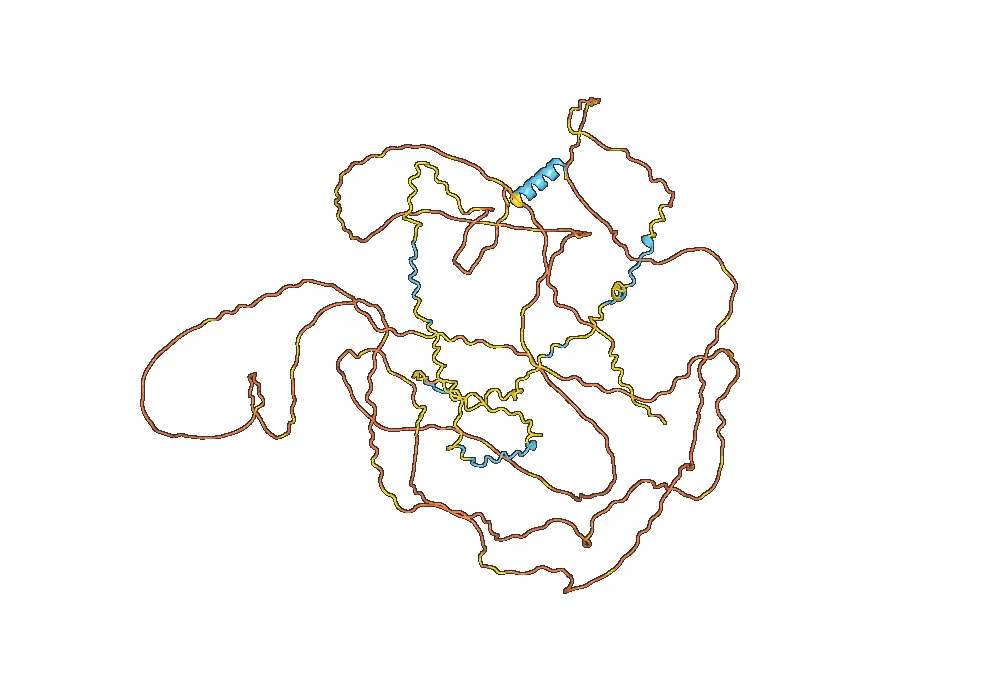
Posdinemab Biosimilar, also known as anti-MAPT mAb, is a monoclonal antibody that has shown great potential in the field of neuroscience research. It specifically targets the microtubule-associated protein tau (MAPT), which plays a crucial role in the development of neurodegenerative diseases such as Alzheimer’s and Parkinson’s. In this article, we will explore the structure, activity, and potential applications of Posdinemab Biosimilar as a research grade antibody.
Structure of Posdinemab Biosimilar
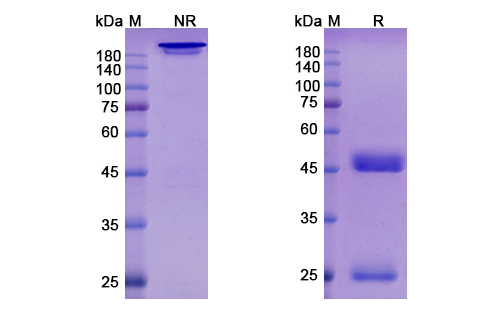
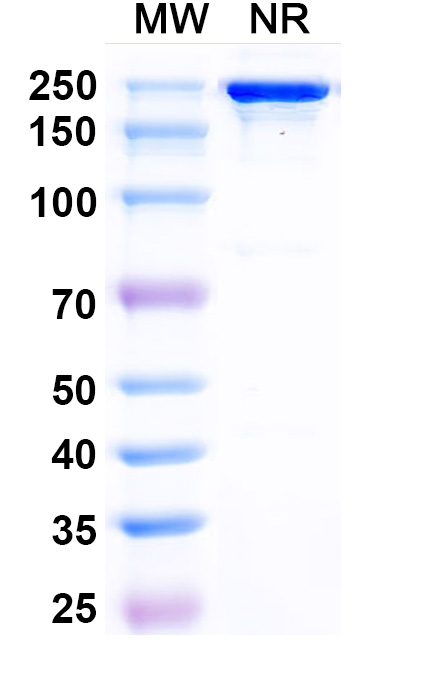
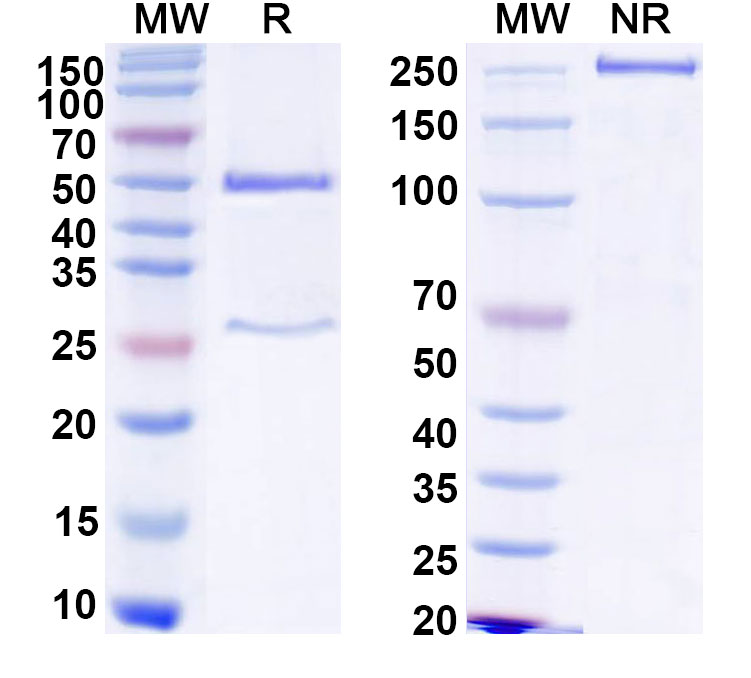
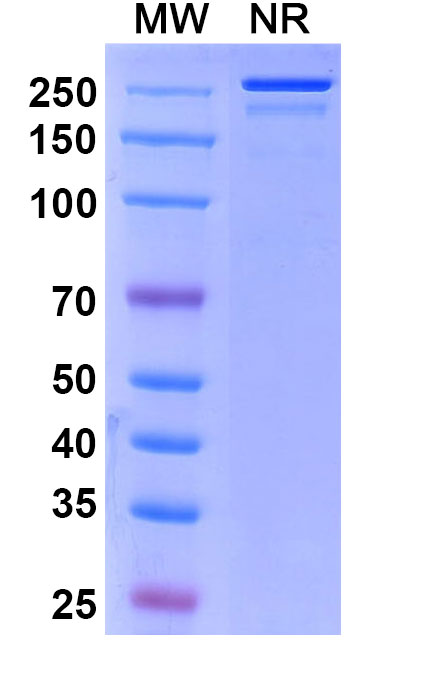
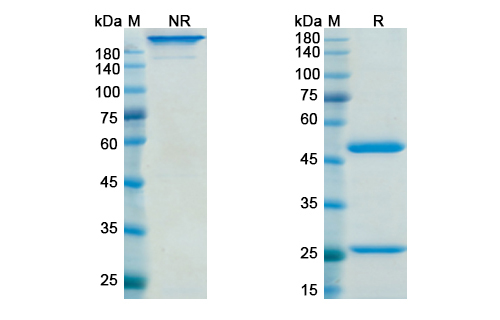
Posdinemab Biosimilar is a recombinant monoclonal antibody that is produced through genetic engineering techniques. It is a fully humanized antibody, meaning that it is derived from human cells and has a high affinity for its target antigen. The antibody has a molecular weight of approximately 150 kDa and consists of two heavy chains and two light chains. The heavy chains are composed of constant and variable regions, while the light chains contain only variable regions.
Activity of Posdinemab Biosimilar
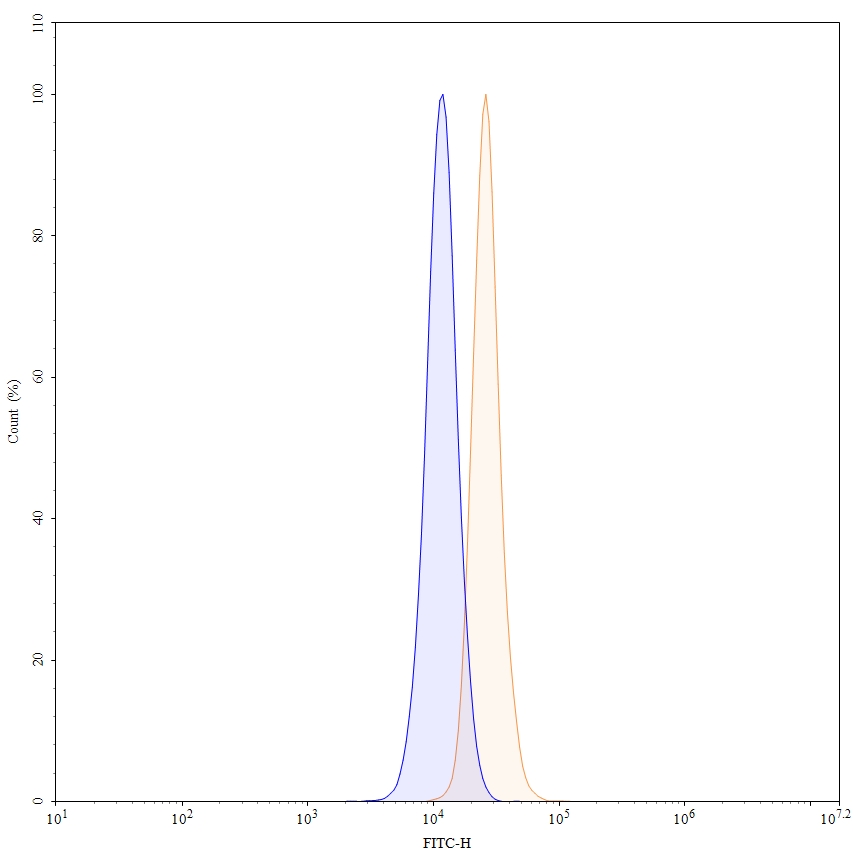
Posdinemab Biosimilar binds to the microtubule-binding domain of tau protein, preventing its interaction with microtubules. This results in the stabilization of microtubules and prevents the formation of neurofibrillary tangles, which are a hallmark of neurodegenerative diseases. The binding of Posdinemab Biosimilar to tau also inhibits its pathological functions, such as the spread of tau aggregates and the induction of neuroinflammation.
Applications in Research
Posdinemab Biosimilar has shown promising results in preclinical studies as a potential therapeutic agent for neurodegenerative diseases. However, it also holds great potential as a research tool for studying the role of tau protein in these diseases. Some potential applications of Posdinemab Biosimilar in research include:
1. Development of Disease Models The use of Posdinemab Biosimilar in animal models can help researchers better understand the role of tau in neurodegenerative diseases. It can be used to induce tau pathology in animal models, mimicking the disease progression seen in humans. This can aid in the development of more accurate disease models for studying the underlying mechanisms and testing potential treatments.
2. Identification of Biomarkers Posdinemab Biosimilar can also be used in research to identify biomarkers for neurodegenerative diseases. By studying the binding patterns of the antibody to different forms of tau, researchers can identify specific biomarkers that can aid in early diagnosis and monitoring of disease progression.
3. Screening for Potential Therapies The use of Posdinemab Biosimilar in screening assays can help identify potential therapeutic compounds that can target tau and prevent its pathological functions. This can aid in the development of new and more effective treatments for neurodegenerative diseases.
4. Understanding Disease Progression Posdinemab Biosimilar can also be used in research to study the progression of neurodegenerative diseases. By tracking the levels of tau and its pathological forms in different stages of the disease, researchers can gain a better understanding of the disease progression and identify potential targets for intervention.
Conclusion
In conclusion, Posdinemab Biosimilar is a promising research grade antibody that specifically targets tau protein and has potential applications in the study of neurodegenerative diseases. Its unique structure and activity make it a valuable tool for researchers in understanding the role of tau in these diseases and developing effective treatments. Further studies and clinical trials are needed to fully explore the potential of Posdinemab Biosimilar in the field of neuroscience research.


There are no reviews yet.