Introduction
Bepranemab Biosimilar is a novel therapeutic antibody that specifically targets the microtubule-associated protein tau (MAPT). This antibody is currently in the research grade stage and has shown promising results in preclinical studies. In this article, we will discuss the structure, activity, and potential applications of Bepranemab Biosimilar.
Structure of Bepranemab Biosimilar
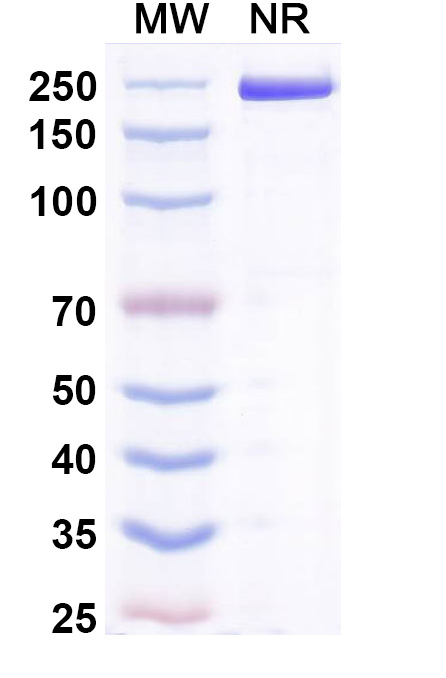
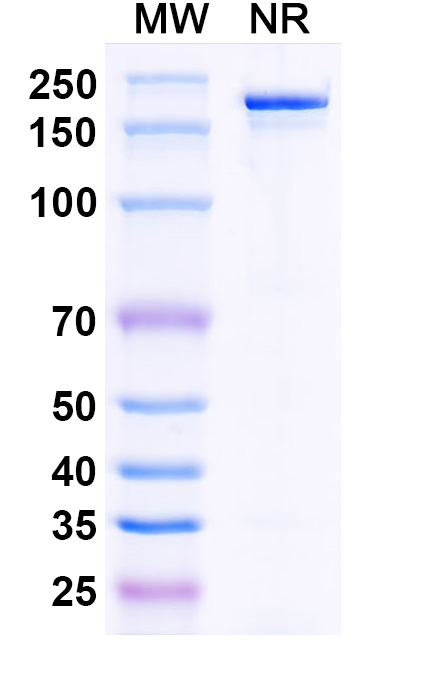
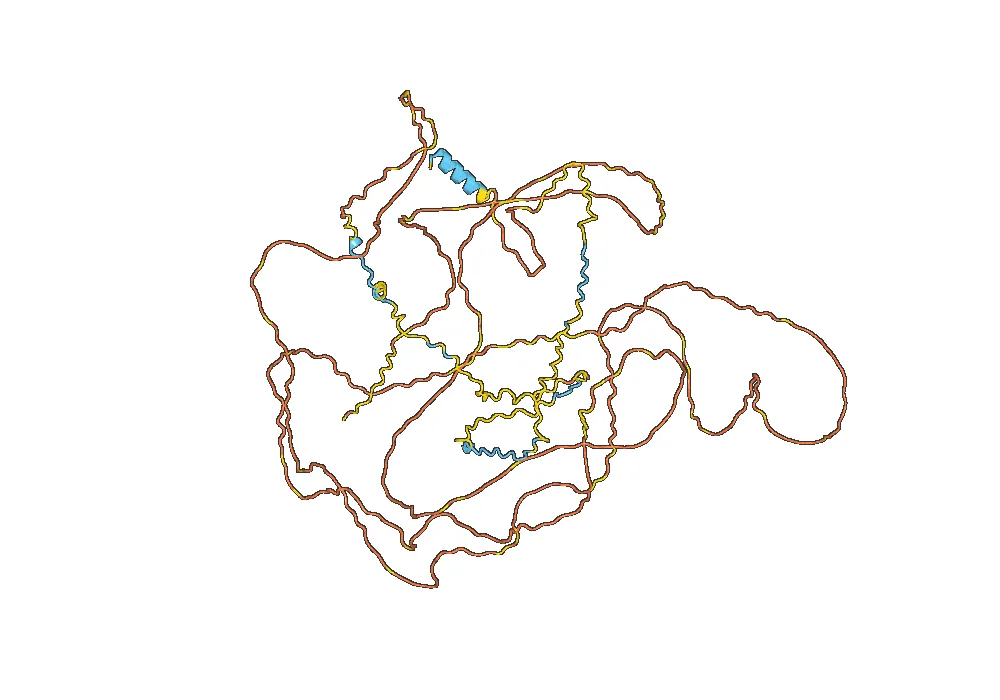
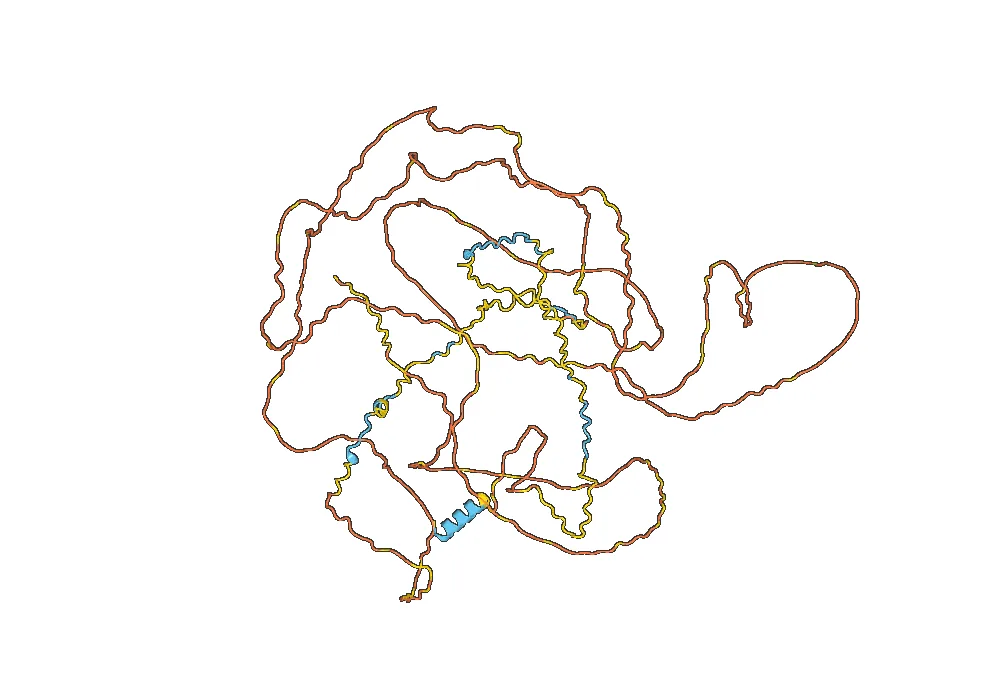
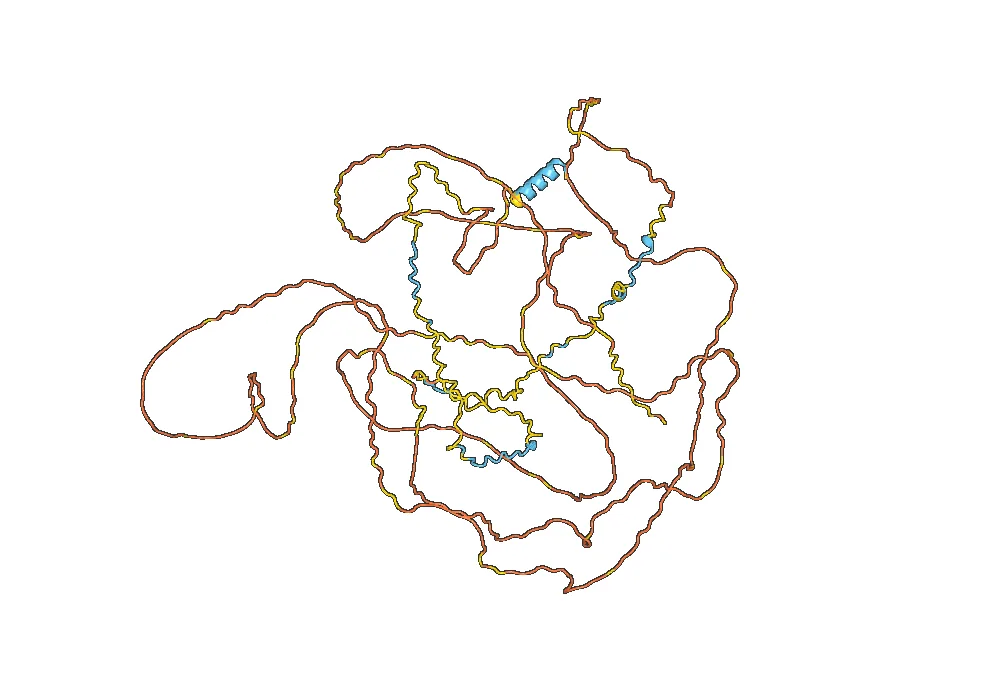
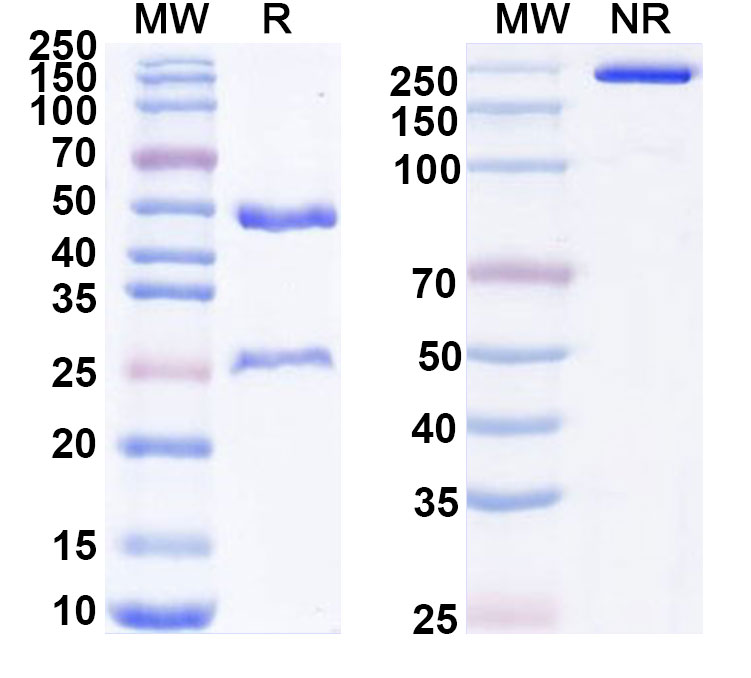
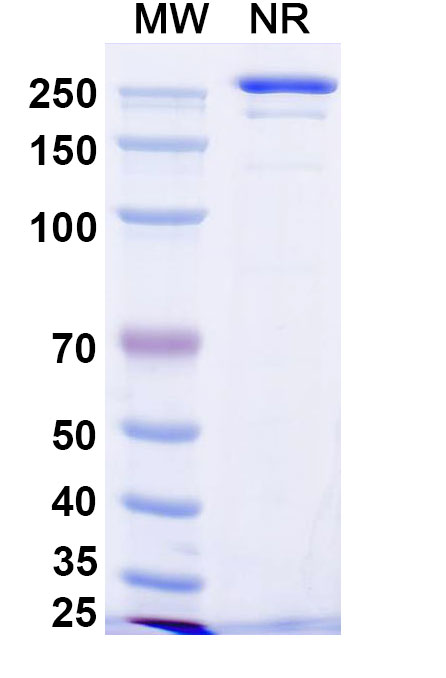
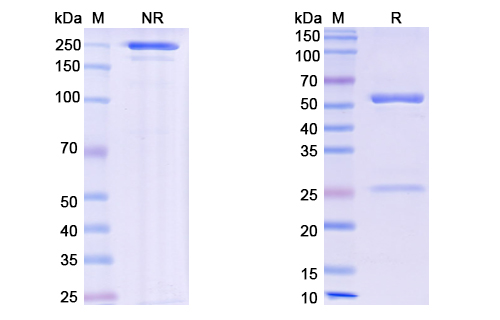
Bepranemab Biosimilar is a monoclonal antibody (mAb) that is produced by recombinant DNA technology. It is a humanized antibody, meaning that it is derived from human antibody sequences but has been modified to reduce its immunogenicity. The antibody has a molecular weight of approximately 150 kDa and consists of two heavy chains and two light chains. The heavy chains are composed of constant and variable regions, while the light chains have only variable regions.
Activity of Bepranemab Biosimilar
Bepranemab Biosimilar specifically targets the microtubule-associated protein tau, which is involved in the formation of neurofibrillary tangles in the brain. These tangles are a hallmark of neurodegenerative diseases such as Alzheimer’s disease. By binding to tau, Bepranemab Biosimilar prevents its aggregation and promotes its clearance from the brain. This can potentially slow down the progression of neurodegenerative diseases.
In addition to its anti-tau activity, Bepranemab Biosimilar also has anti-inflammatory properties. It has been shown to reduce the levels of pro-inflammatory cytokines in the brain, which can contribute to the neurodegenerative process. This dual mechanism of action makes Bepranemab Biosimilar a promising therapeutic candidate for the treatment of neurodegenerative diseases.
Potential Applications of Bepranemab Biosimilar
The primary therapeutic target of Bepranemab Biosimilar is Alzheimer’s disease, which affects millions of people worldwide. Currently, there is no cure for this disease, and available treatments only provide temporary relief of symptoms. Bepranemab Biosimilar has the potential to slow down the progression of Alzheimer’s disease by targeting tau, which is a key player in the disease process.
In addition to Alzheimer’s disease, Bepranemab Biosimilar may also have applications in other neurodegenerative diseases such as frontotemporal dementia and progressive supranuclear palsy. These diseases also involve the accumulation of tau in the brain, making Bepranemab Biosimilar a potential treatment option.
Furthermore, Bepranemab Biosimilar may also have applications in other inflammatory conditions of the brain, such as multiple sclerosis and traumatic brain injury. Its anti-inflammatory properties could help reduce the damage caused by these conditions and promote healing.
Conclusion
Bepranemab Biosimilar is a promising therapeutic antibody that specifically targets tau, a key protein involved in the pathogenesis of neurodegenerative diseases. Its dual mechanism of action, targeting both tau and inflammation, makes it a potential treatment option for a range of neurological conditions. With further research and development, Bepranemab Biosimilar has the potential to improve the lives of millions of people affected by these devastating diseases.


There are no reviews yet.