Introduction
IMC-1C11 Biosimilar is a research grade biosimilar of Anti-VEGFA monoclonal antibody (mAb). It is a highly specific and potent therapeutic agent that targets the vascular endothelial growth factor A (VEGFA) protein, which plays a crucial role in angiogenesis and tumor growth. In this article, we will discuss the structure, activity, and potential applications of IMC-1C11 Biosimilar.
Structure of IMC-1C11 Biosimilar
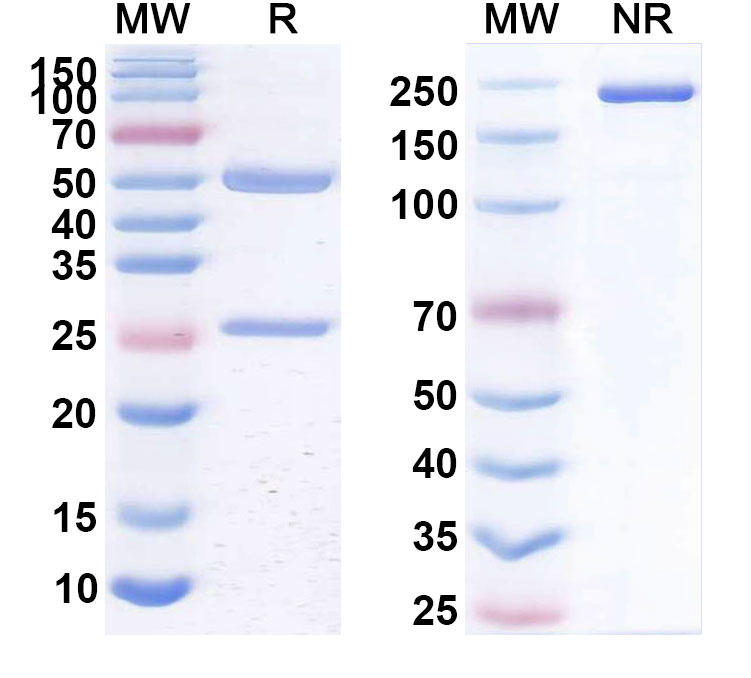
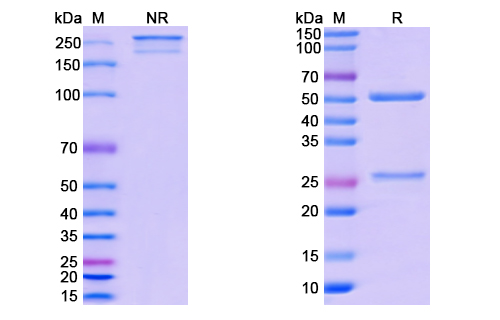
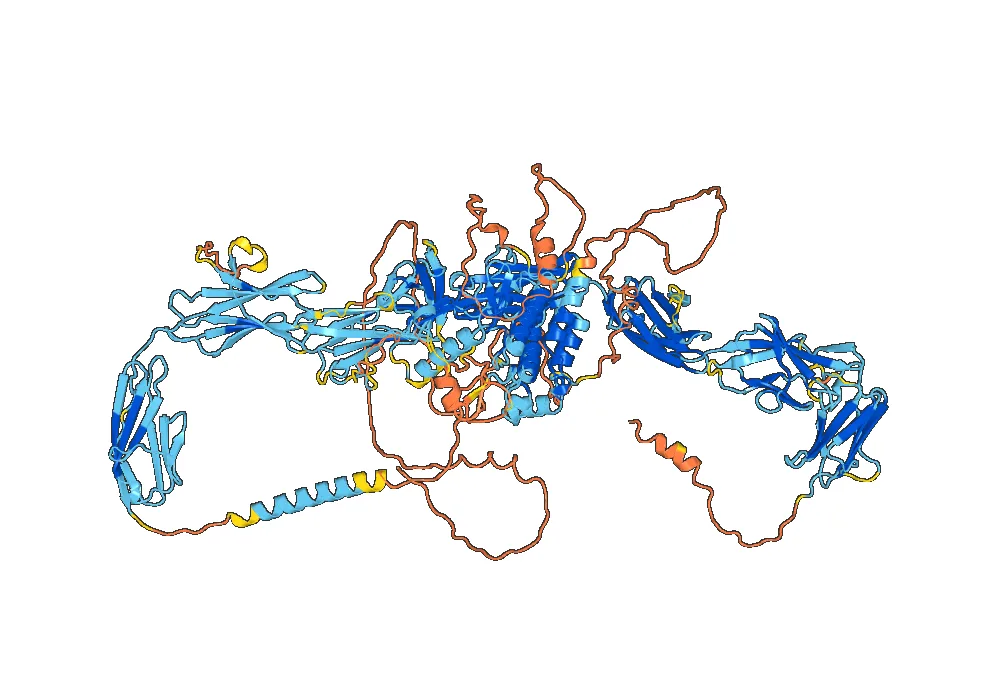
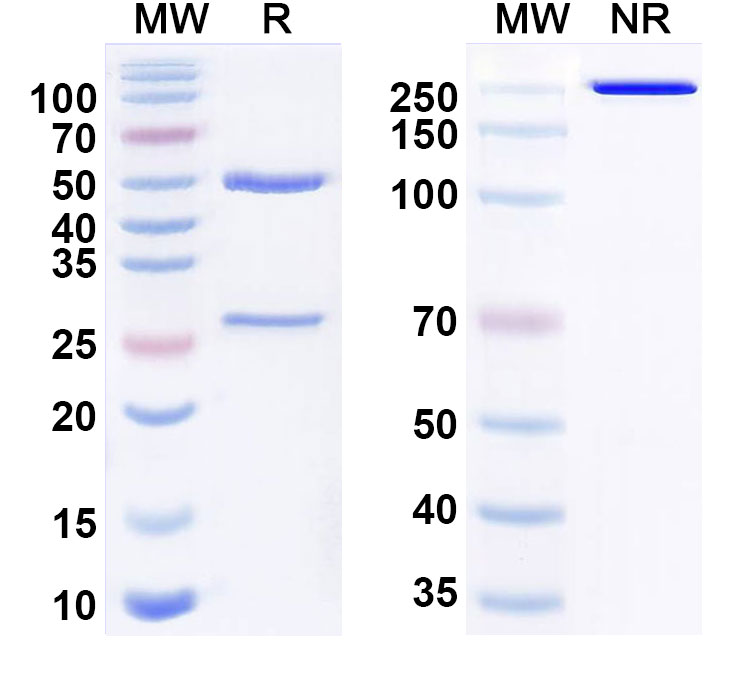
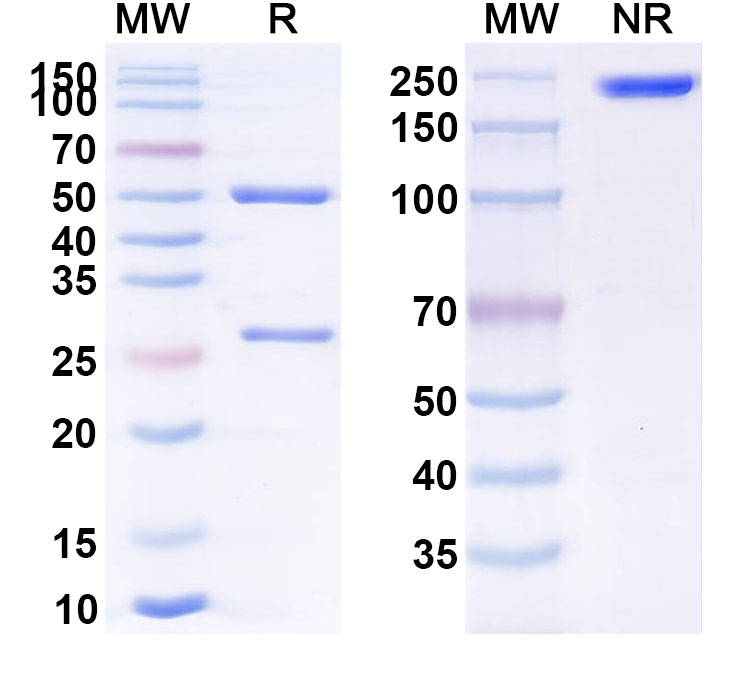
IMC-1C11 Biosimilar is a recombinant humanized IgG1 monoclonal antibody. It is composed of two heavy chains and two light chains, each with a molecular weight of approximately 150 kDa. The antibody has a high degree of sequence homology with the reference product, making it a highly similar and interchangeable alternative.
Activity of IMC-1C11 Biosimilar
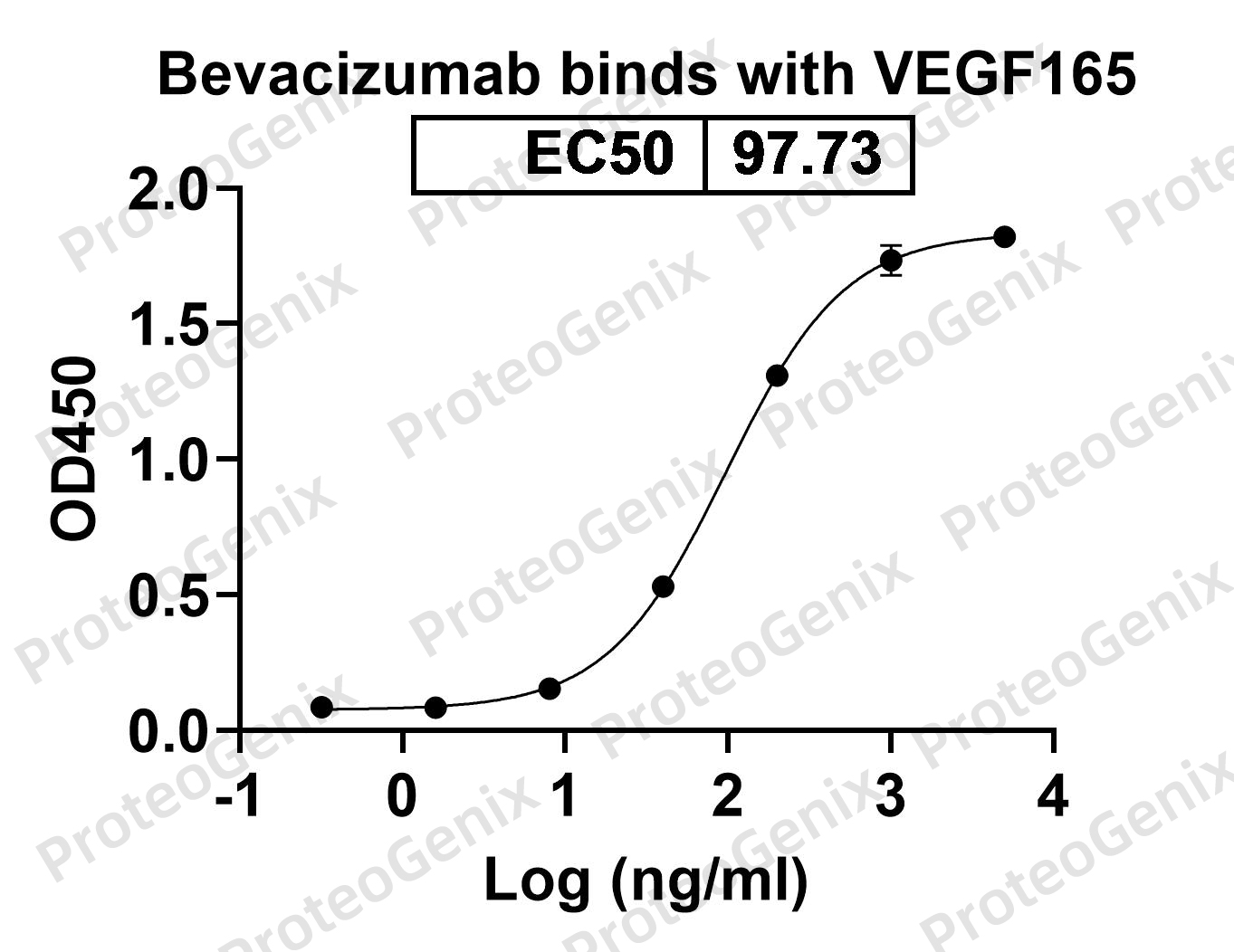
IMC-1C11 Biosimilar specifically binds to VEGFA with high affinity, preventing its interaction with its receptors on the surface of endothelial cells. This blocks the downstream signaling pathways that promote angiogenesis and tumor growth. By inhibiting VEGFA, IMC-1C11 Biosimilar can also reduce vascular permeability, which is a key factor in the development of edema and ascites in certain diseases.
Applications of IMC-1C11 Biosimilar
IMC-1C11 Biosimilar has potential applications in various diseases where VEGFA plays a crucial role. Some of the key therapeutic areas where IMC-1C11 Biosimilar can be used include:
Cancer VEGFA is a key growth factor in the development and progression of solid tumors. By targeting VEGFA, IMC-1C11 Biosimilar can inhibit tumor angiogenesis and slow down tumor growth. It has shown promising results in clinical trials for various types of cancer, including colorectal, lung, and ovarian cancer.
Macular Degeneration
In age-related macular degeneration (AMD), excessive VEGFA production leads to abnormal blood vessel growth in the retina, causing vision loss. IMC-1C11 Biosimilar can inhibit this abnormal growth and potentially slow down the progression of AMD.
Diabetic Retinopathy
Diabetic retinopathy is another condition where VEGFA plays a key role. In this disease, high levels of VEGFA lead to the formation of new blood vessels in the retina, which can cause vision loss. IMC-1C11 Biosimilar can potentially prevent this abnormal blood vessel growth and preserve vision.
Other Diseases
IMC-1C11 Biosimilar is also being investigated for its potential in other diseases, including psoriasis, rheumatoid arthritis, and inflammatory bowel disease. These diseases are characterized by abnormal angiogenesis, and by targeting VEGFA, IMC-1C11 Biosimilar may provide therapeutic benefits.
Conclusion
IMC-1C11 Biosimilar is a highly specific and potent therapeutic agent that targets VEGFA. Its structure and activity make it a highly similar and interchangeable alternative to the reference product. With its potential applications in various diseases, IMC-1C11 Biosimilar has the potential to improve patient outcomes and provide a cost-effective treatment option. Further research and clinical trials are needed to fully explore the potential of this biosimilar in different therapeutic areas.

There are no reviews yet.