Introduction
Onartuzumab Biosimilar, also known as Anti-MET or RCCP2 mAb, is a monoclonal antibody that has been developed as a potential therapeutic agent for various types of cancers. This biosimilar is a recombinant version of the original Onartuzumab, which was developed by Genentech and is currently in clinical trials for the treatment of solid tumors. In this article, we will discuss the structure, activity, and potential applications of Onartuzumab Biosimilar as an antibody and therapeutic target.
Structure of Onartuzumab Biosimilar
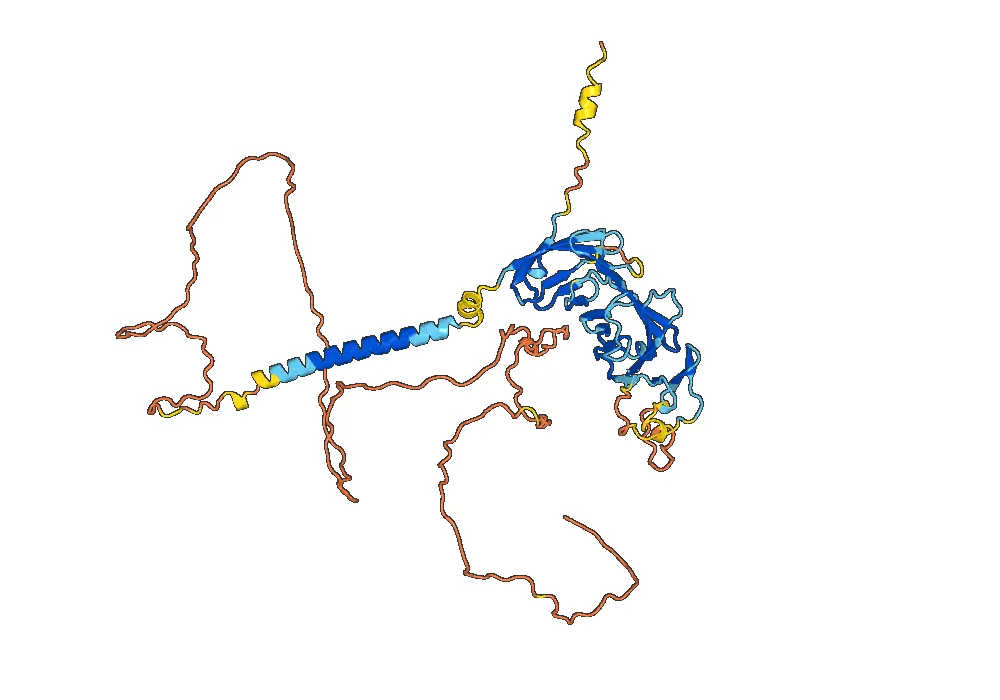
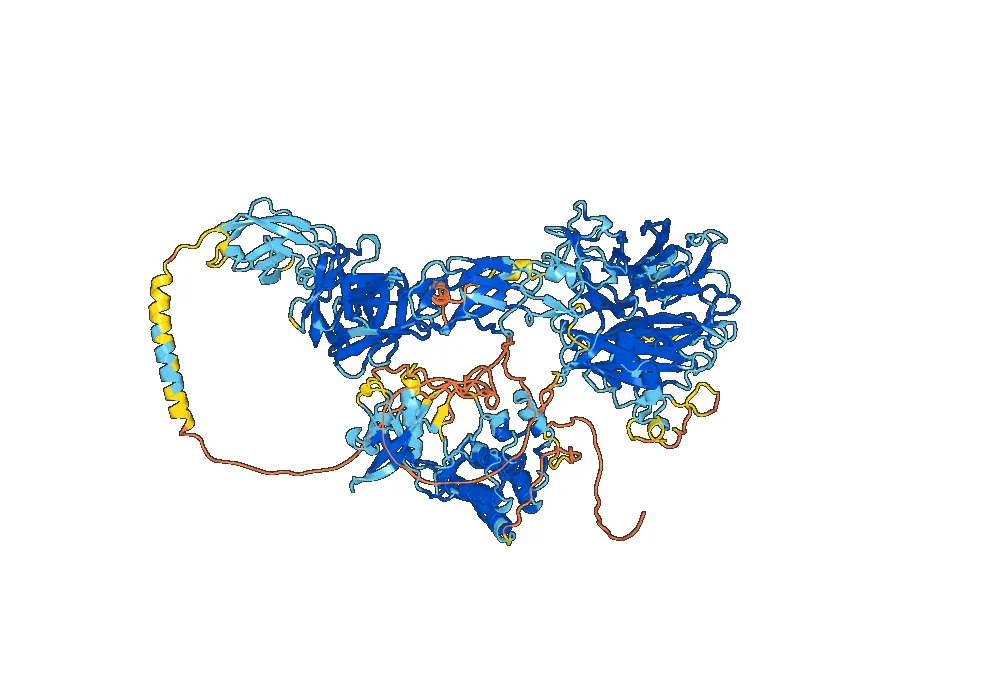
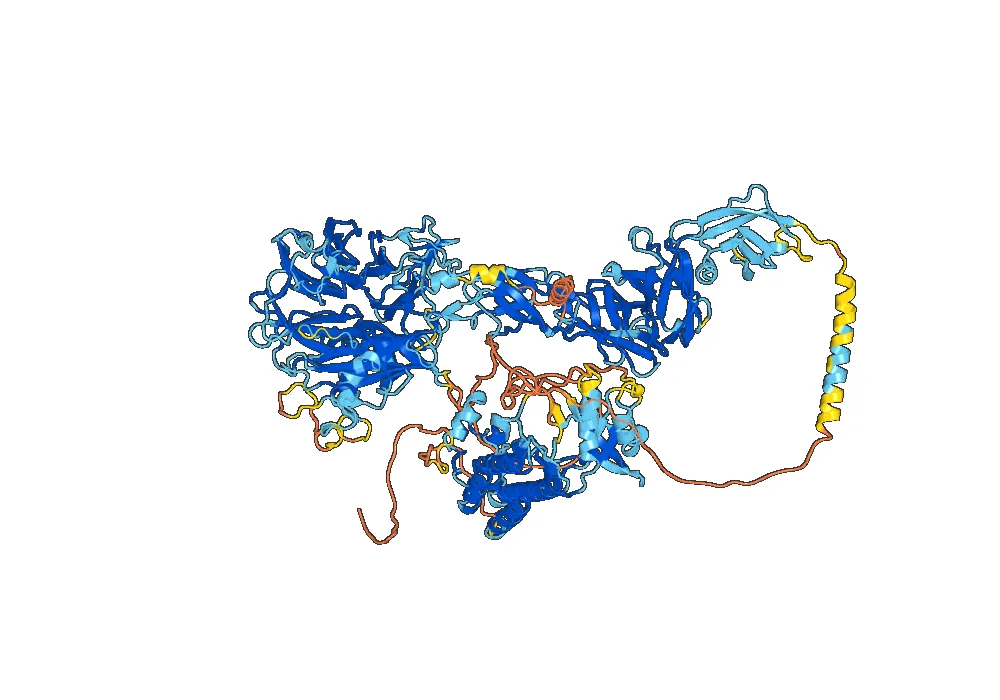
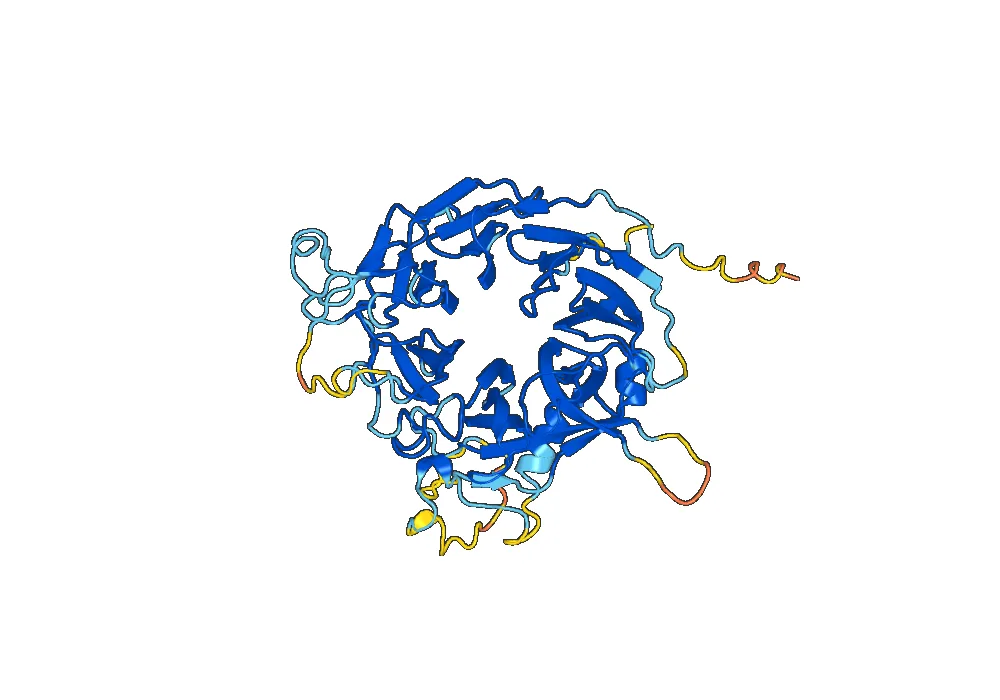
Onartuzumab Biosimilar is a humanized IgG1 monoclonal antibody that specifically targets the MET receptor, also known as c-Met or hepatocyte growth factor receptor (HGFR). It is composed of two heavy chains and two light chains, each containing a variable and a constant region. The variable region of the antibody binds to the extracellular domain of the MET receptor, while the constant region mediates effector functions such as antibody-dependent cellular cytotoxicity (ADCC) and complement-dependent cytotoxicity (CDC).
The antibody is produced using recombinant DNA technology, where the gene encoding for the variable region of the antibody is inserted into a host cell, such as Chinese hamster ovary (CHO) cells. This results in the production of large quantities of the antibody, which can then be purified for use in research and clinical applications.
Activity of Onartuzumab Biosimilar
The primary mechanism of action of Onartuzumab Biosimilar is its ability to bind to and inhibit the MET receptor. MET is a receptor tyrosine kinase that plays a crucial role in cell growth, survival, and migration. Aberrant activation of the MET pathway has been linked to the development and progression of various types of cancers, making it an attractive therapeutic target.
By binding to the MET receptor, Onartuzumab Biosimilar blocks the binding of its natural ligand, hepatocyte growth factor (HGF), thus preventing the activation of downstream signaling pathways. This results in the inhibition of cell proliferation, migration, and survival, ultimately leading to the death of cancer cells.
In addition to its direct inhibitory effects on the MET pathway, Onartuzumab Biosimilar also has the potential to induce immune-mediated killing of cancer cells through its Fc region. This is achieved through ADCC and CDC, where the antibody binds to the MET-expressing cancer cells, and immune cells, such as natural killer (NK) cells and macrophages, are recruited to kill the cancer cells.
Applications of Onartuzumab Biosimilar
Onartuzumab Biosimilar has shown promising results in preclinical studies and is currently being evaluated in clinical trials for the treatment of various types of cancers, including non-small cell lung cancer (NSCLC), gastric cancer, and glioblastoma. The antibody has also been studied in combination with other targeted therapies, such as tyrosine kinase inhibitors, and has shown synergistic effects in inhibiting tumor growth.
Furthermore, Onartuzumab Biosimilar has also been investigated as a potential diagnostic tool for identifying patients who may benefit from treatment with the antibody. This is achieved through the detection of MET expression in tumor tissue, which can help select patients who are most likely to respond to the therapy.
Conclusion
In summary, Onartuzumab Biosimilar is a promising therapeutic agent that specifically targets the MET receptor, a key player in cancer development and progression. Its unique mechanism of action, combined with its potential for immune-mediated killing of cancer cells, makes it a promising candidate for the treatment of various types of cancers. Ongoing clinical trials will provide further insight into the efficacy and safety of this biosimilar, with the potential to improve the treatment options for cancer patients.


There are no reviews yet.