Ravagalimab Biosimilar: A Promising Anti-CD40, TNFRSF mAb for Research Introduction
Ravagalimab Biosimilar, also known as anti-CD40, TNFRSF mAb, is a monoclonal antibody (mAb) that has gained significant attention in the field of immunology and cancer research. This biosimilar is a potential therapeutic agent that targets CD40, a member of the tumor necrosis factor receptor superfamily (TNFRSF). In this article, we will discuss the structure, activity, and potential applications of Ravagalimab Biosimilar in research.
Structure of Ravagalimab Biosimilar
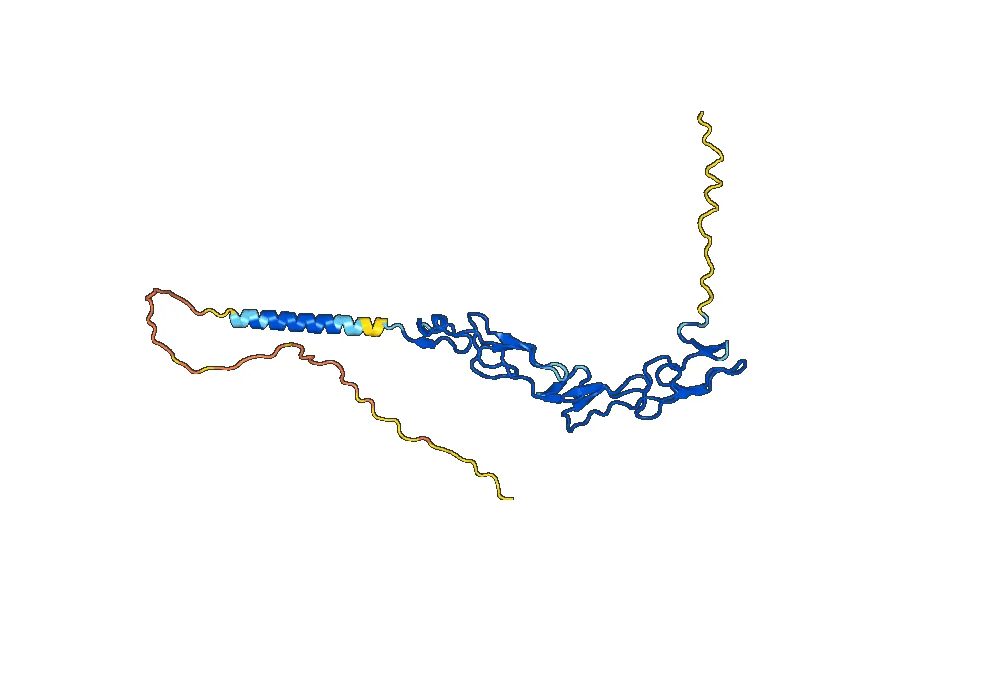
Ravagalimab Biosimilar is a recombinant humanized IgG1 mAb that is produced by genetic engineering techniques. It is composed of two heavy chains and two light chains, each containing variable and constant regions. The variable regions of the antibody are responsible for binding to its target, CD40, while the constant regions play a role in mediating effector functions.
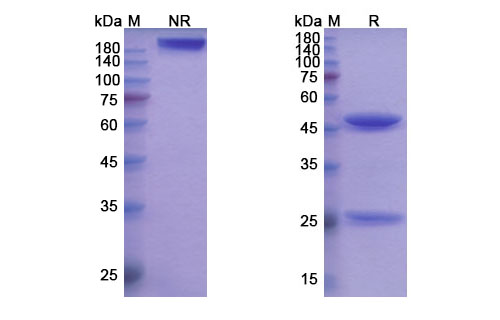
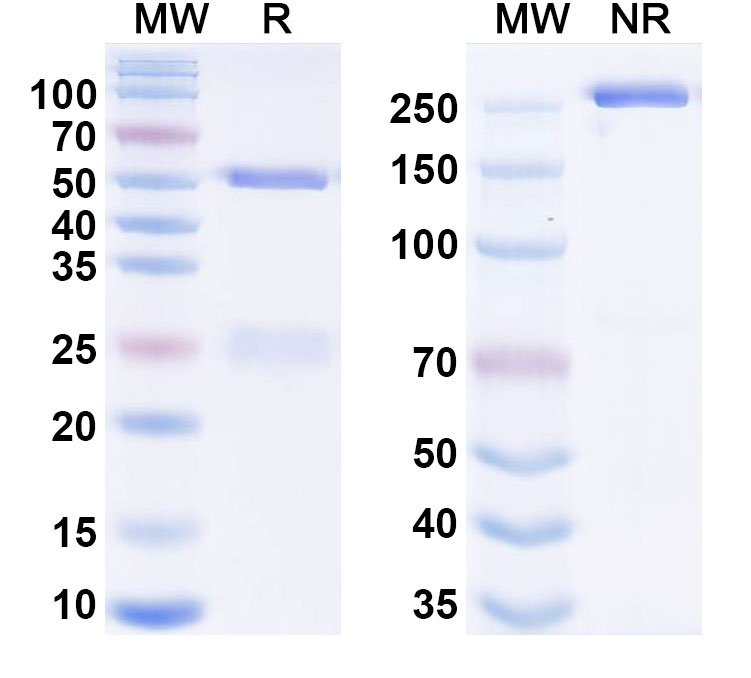
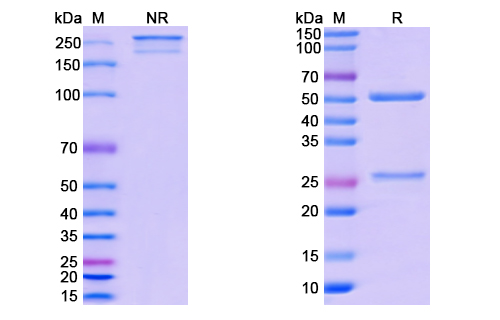
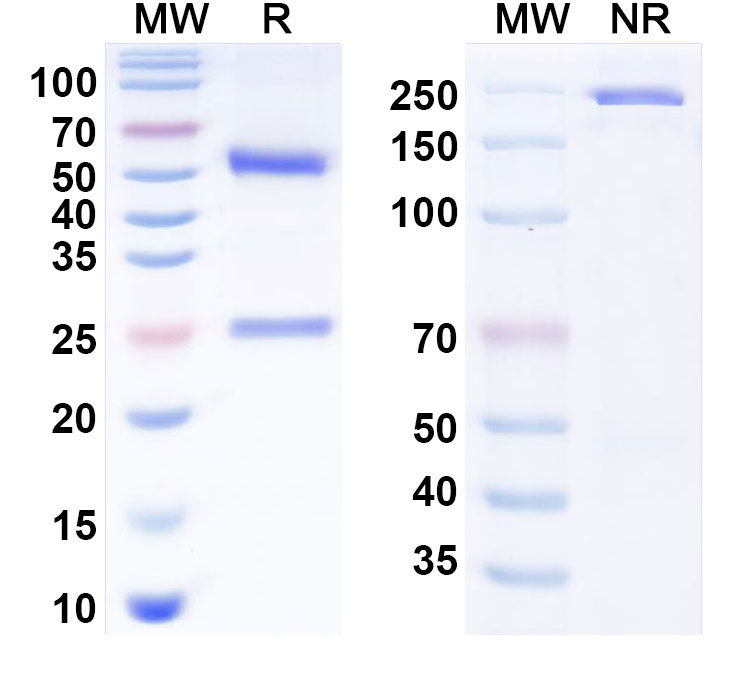
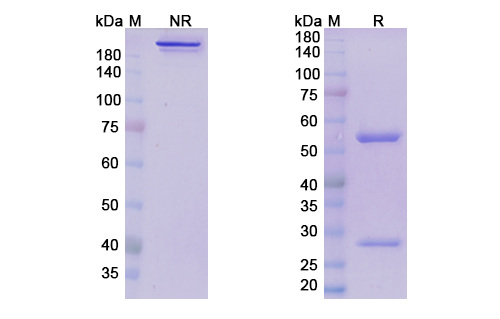
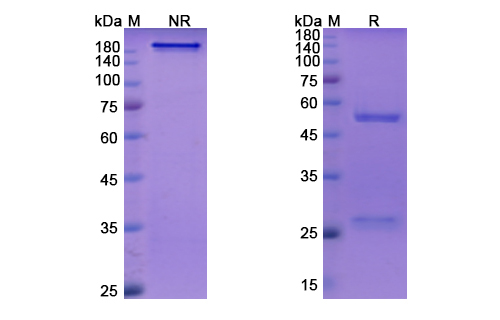
The amino acid sequence of Ravagalimab Biosimilar is highly similar to the original drug, making it a suitable biosimilar with comparable efficacy and safety profiles. It has a molecular weight of approximately 150 kDa and a half-life of 21 days, making it a long-acting antibody.
Activity of Ravagalimab Biosimilar
Ravagalimab Biosimilar exerts its activity by binding to CD40, a cell surface receptor that is expressed on various immune cells, including B cells, dendritic cells, and macrophages. CD40 plays a crucial role in regulating immune responses, including B cell activation, T cell priming, and cytokine production.
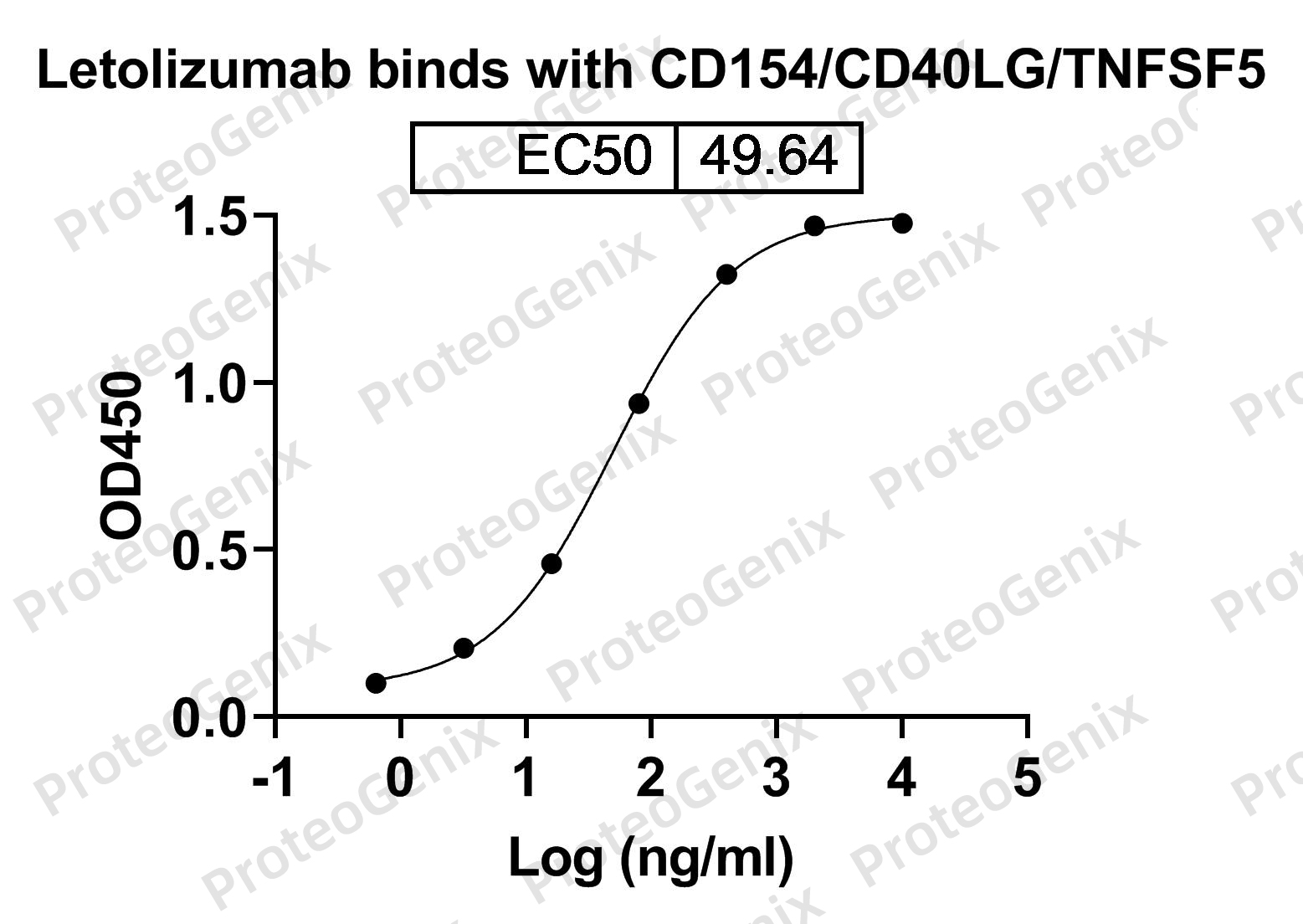
By binding to CD40, Ravagalimab Biosimilar blocks the interaction between CD40 and its ligand, CD154. This disrupts the signaling pathway and inhibits the activation of immune cells, leading to suppression of inflammatory responses. Additionally, Ravagalimab Biosimilar can also induce antibody-dependent cellular cytotoxicity (ADCC) and complement-dependent cytotoxicity (CDC) against CD40-expressing cells.
Potential Applications of Ravagalimab Biosimilar
Ravagalimab Biosimilar has shown promising results in preclinical studies and is currently being evaluated in clinical trials for various indications. Some potential applications of this biosimilar are discussed below:
Cancer Immunotherapy CD40 is overexpressed on the surface of many
cancer cells, making it an attractive therapeutic target for cancer immunotherapy. Ravagalimab Biosimilar has demonstrated potent anti-tumor effects in preclinical models, both as a single agent and in combination with other therapies. It has the potential to enhance immune responses against cancer cells and improve the efficacy of existing cancer treatments.
Inflammatory Diseases
The dysregulation of CD40 signaling has been implicated in various inflammatory diseases, such as rheumatoid arthritis, systemic lupus erythematosus, and multiple sclerosis. By targeting CD40, Ravagalimab Biosimilar has the potential to modulate immune responses and alleviate symptoms of these diseases. Clinical trials are currently ongoing to evaluate its efficacy in these indications.
Transplantation
CD40-CD154 interaction is crucial for the activation of T cells, which play a major role in graft rejection after organ transplantation. Ravagalimab Biosimilar has shown promising results in preclinical models of transplantation by inhibiting T cell activation and prolonging graft survival. It has the potential to be used as an immunosuppressive agent in transplantation.
Conclusion
In summary, Ravagalimab Biosimilar is a promising anti-CD40, TNFRSF mAb that has the potential to be used in various research applications. Its structure, activity, and potential applications make it a valuable tool for understanding the role of CD40 in immune responses and developing novel therapies for immune-related diseases. Further clinical studies are needed to fully explore the therapeutic potential of
There are no reviews yet.