Introduction
Recombinant Human AKAP3 Protein, also known as A-kinase anchor protein 3, is a protein that plays a crucial role in the regulation of protein kinase A (PKA) signaling. It is a member of the A-kinase anchor protein family, which acts as a scaffold protein to localize PKA to specific subcellular compartments. AKAP3 is involved in various cellular processes, including cell signaling, cell growth, and differentiation. In this article, we will discuss the structure, activity, and application of Recombinant Human AKAP3 Protein.
Structure of Recombinant Human AKAP3 Protein
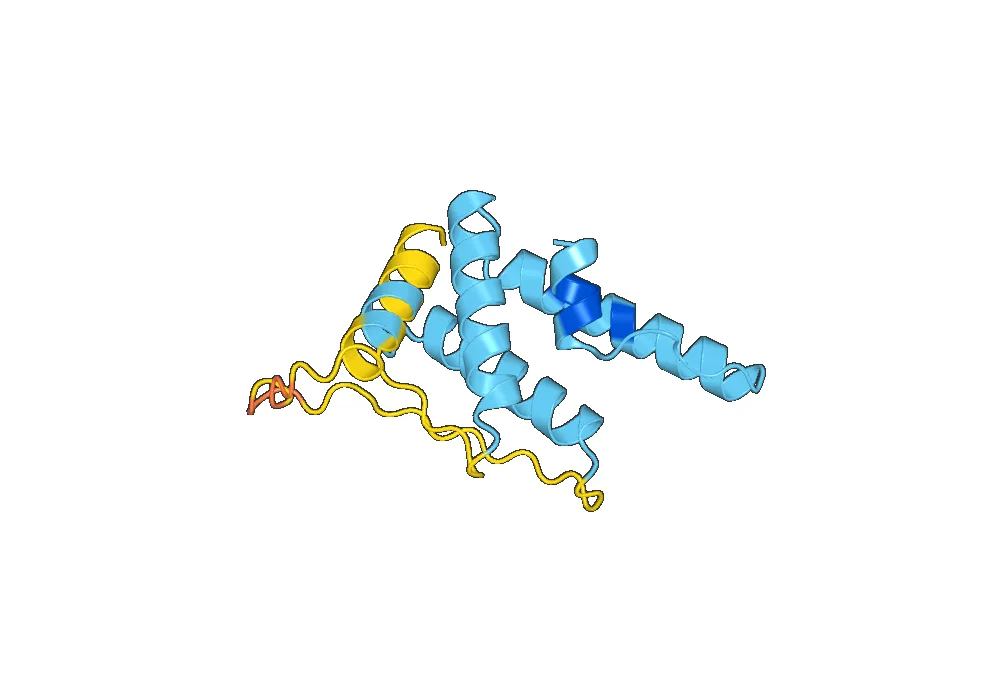
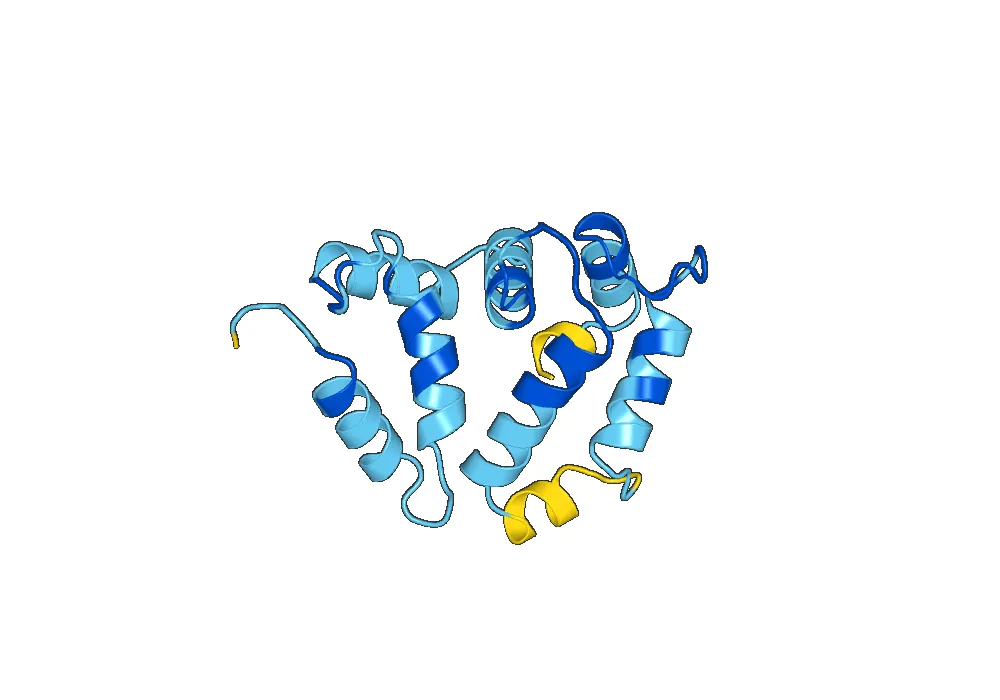
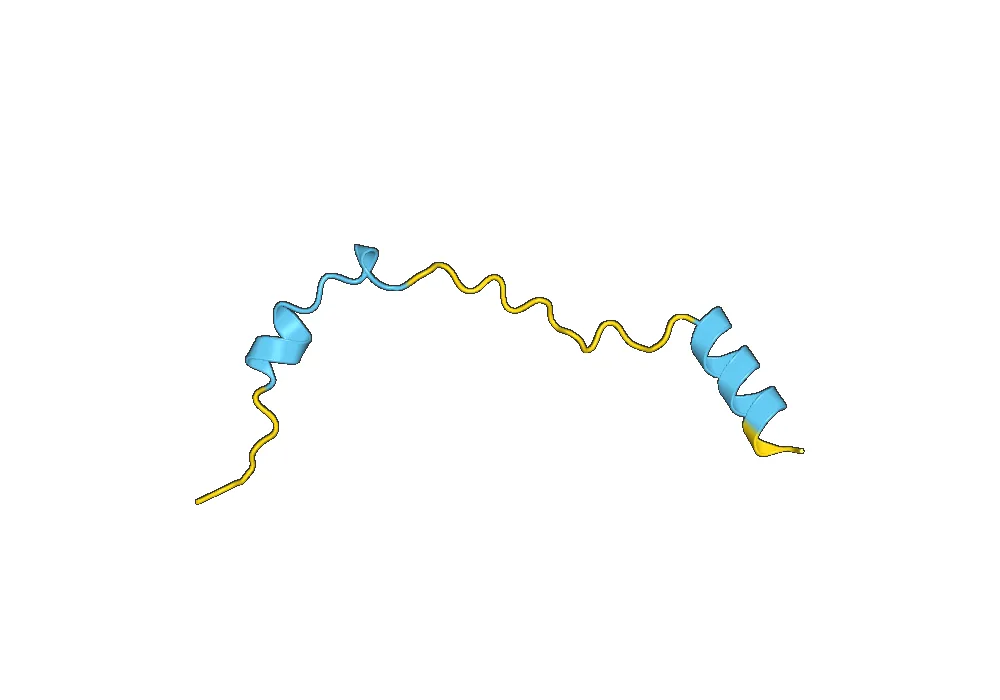
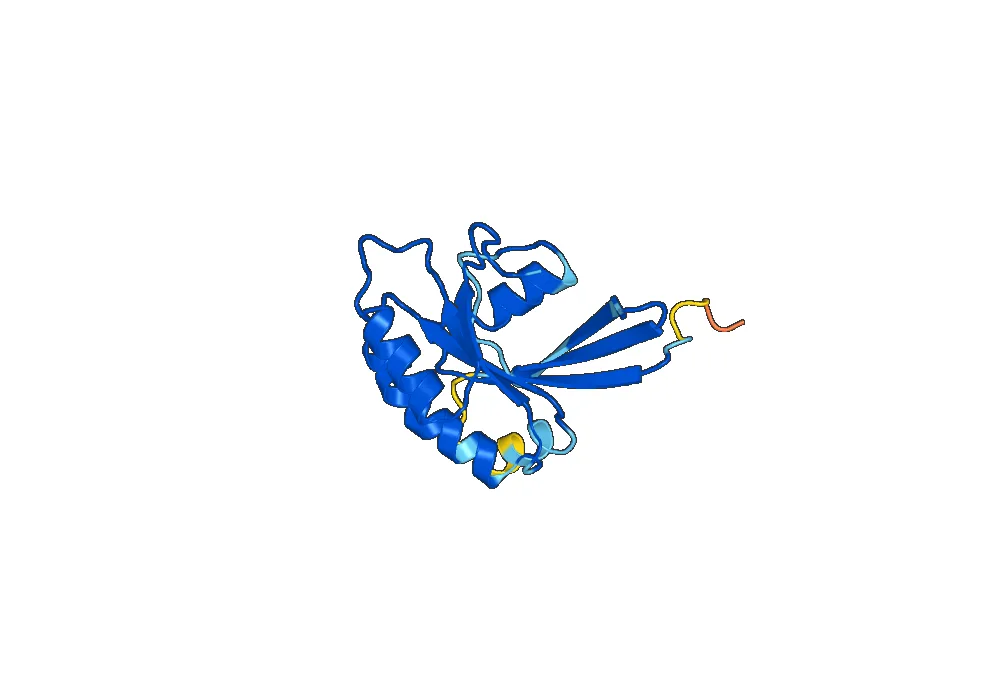
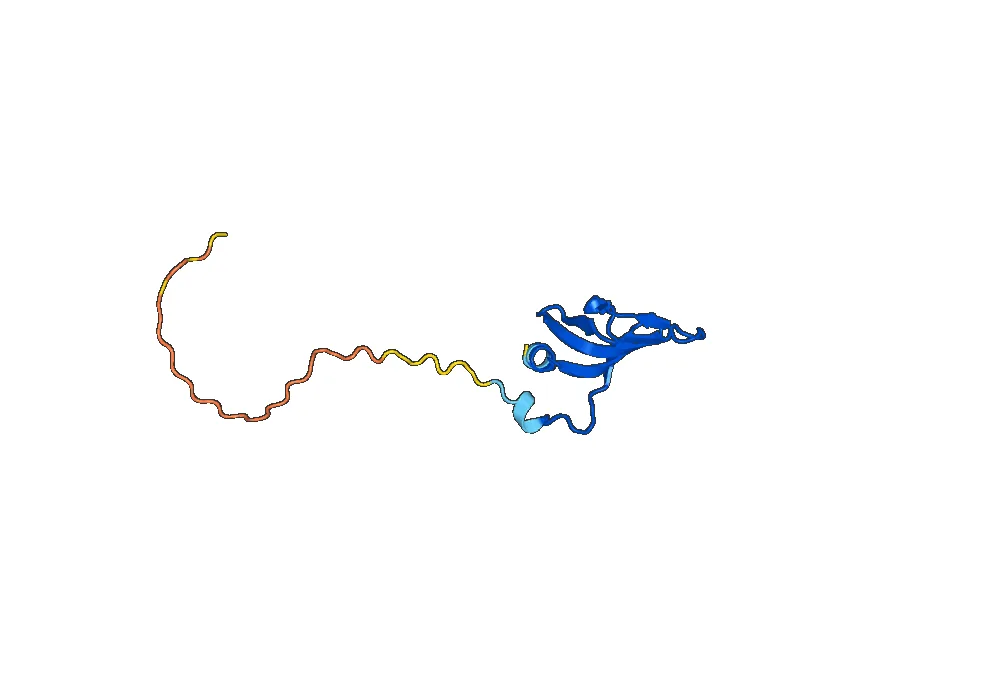
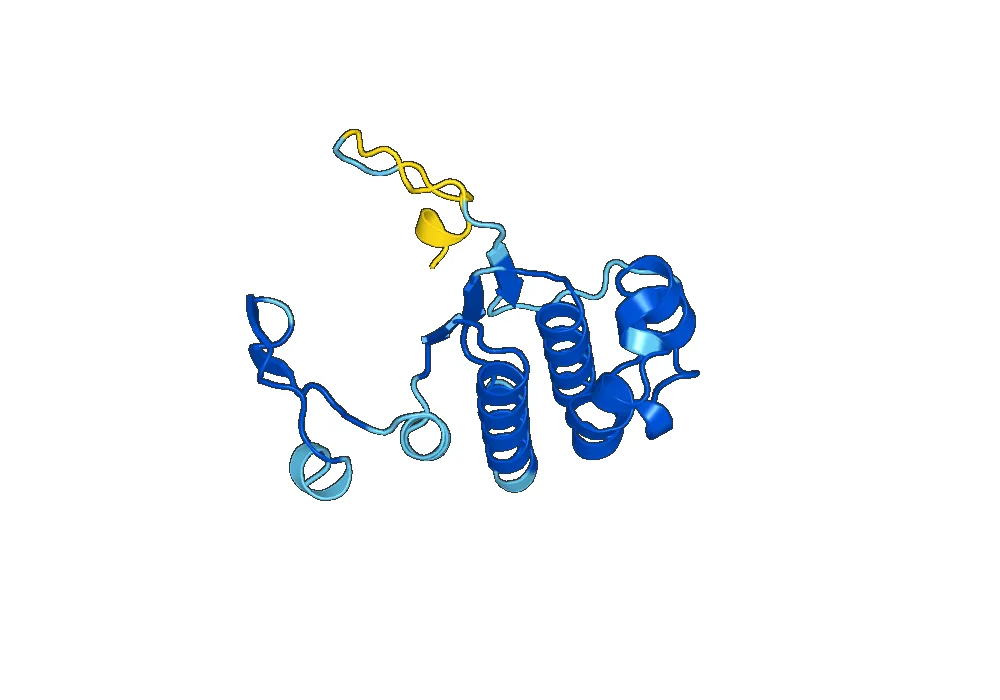
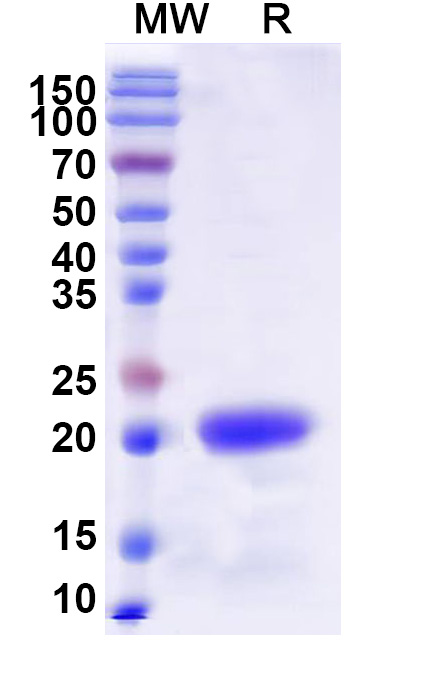
Recombinant Human AKAP3 Protein is a 120 kDa protein that is encoded by the AKAP3 gene located on chromosome X. It contains a conserved N-terminal domain, a central domain, and a C-terminal domain. The N-terminal domain of AKAP3 binds to the regulatory subunit of PKA, while the central domain binds to the catalytic subunit of PKA. The C-terminal domain of AKAP3 interacts with other signaling proteins, such as phosphodiesterases and phosphatases.
Activity of Recombinant Human AKAP3 Protein
The main function of Recombinant Human AKAP3 Protein is to regulate the activity of PKA by anchoring it to specific subcellular compartments. PKA is a serine/threonine kinase that plays a crucial role in various cellular processes, including metabolism, gene expression, and cell cycle progression. By localizing PKA to specific sites within the cell, AKAP3 ensures that PKA is only activated in response to specific stimuli, thus preventing unnecessary activation.
In addition to PKA regulation, AKAP3 has also been shown to play a role in sperm motility. It is highly expressed in the testis and is a major component of the fibrous sheath of spermatozoa. AKAP3 interacts with multiple proteins involved in sperm motility, such as dynein, and is essential for the proper function of the sperm tail. Therefore, Recombinant Human AKAP3 Protein can be used to study the mechanisms of sperm motility and potentially develop treatments for male infertility.
Application of Recombinant Human AKAP3 Protein
Recombinant Human AKAP3 Protein has various applications in both research and clinical settings. In research, it can be used as a tool to study the regulation of PKA signaling and its role in different cellular processes. It can also be used to investigate the mechanisms of sperm motility and male infertility. Recombinant Human AKAP3 Protein can be produced in large quantities and is readily available, making it a valuable tool for researchers.
In the clinical setting, Recombinant Human AKAP3 Protein has potential applications in the treatment of diseases related to PKA dysregulation. For example, PKA signaling has been implicated in various cancers, and AKAP3 has been shown to interact with proteins involved in cancer progression. By targeting AKAP3, it may be possible to modulate PKA activity and potentially develop new treatments for cancer.
Conclusion
Recombinant Human AKAP3 Protein is a crucial protein involved in the regulation of PKA signaling and sperm motility. Its structure, activity, and various applications make it a valuable tool for researchers studying cellular processes and potential treatments for diseases related to PKA dysregulation. With further research and development, Recombinant Human AKAP3 Protein has the potential to contribute to advancements in both basic science and clinical medicine.


There are no reviews yet.