Introduction to Recombinant Human F7/Coagulation Factor VII Protein
Recombinant Human F7/Coagulation Factor VII Protein, also known as rFVIIa, is a synthetic version of the naturally occurring coagulation factor VII protein. It is produced through genetic engineering techniques, where the gene for factor VII is inserted into host cells, such as bacteria or mammalian cells, to produce large quantities of the protein.
Structure of Recombinant Human F7/Coagulation Factor VII Protein
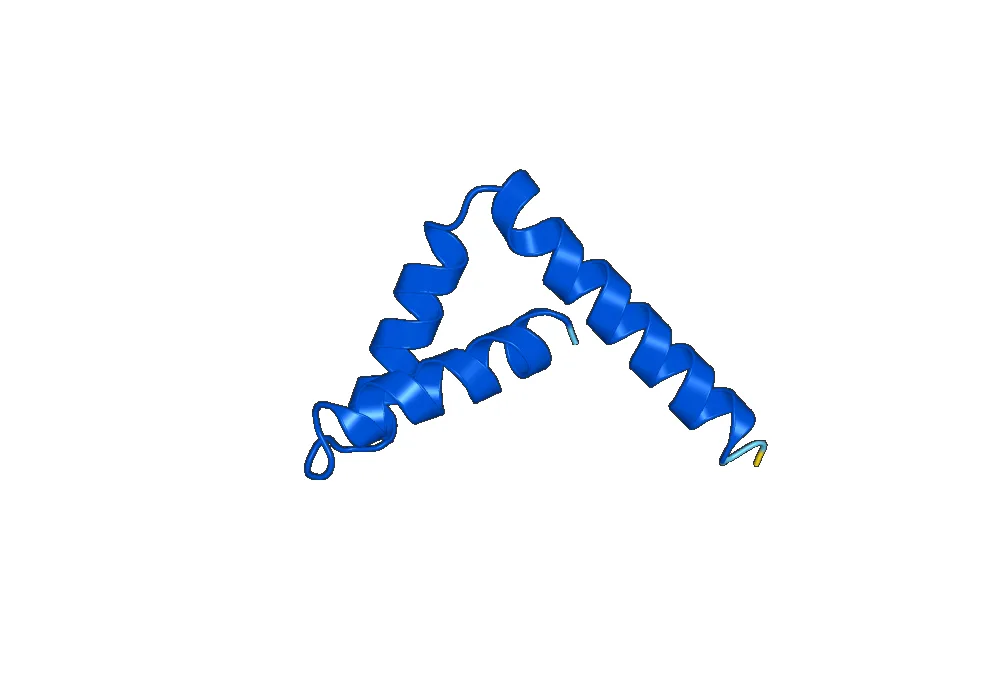
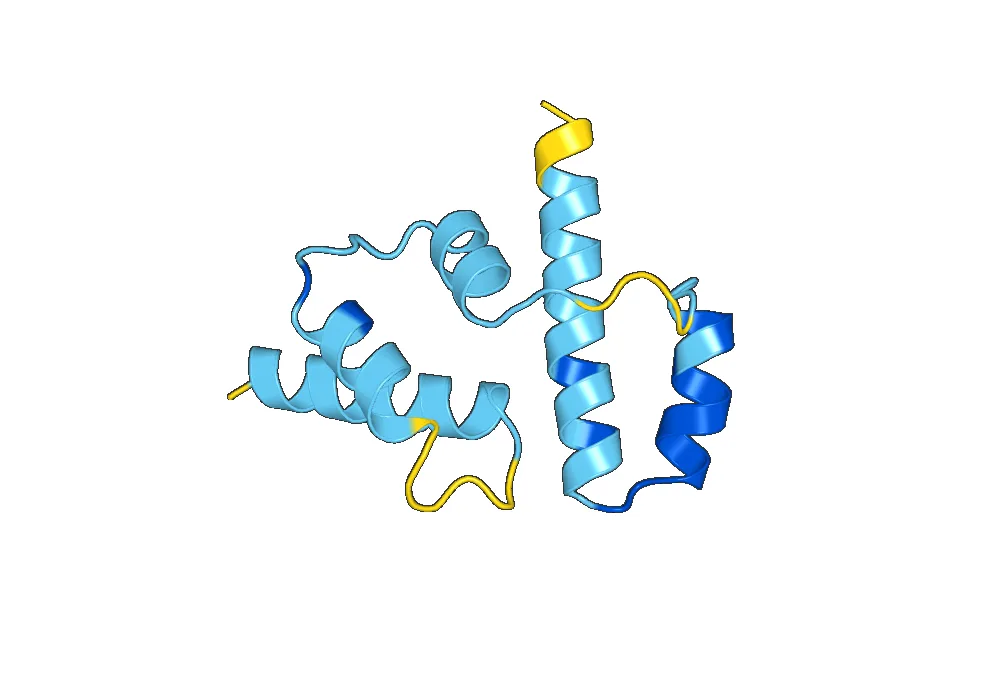
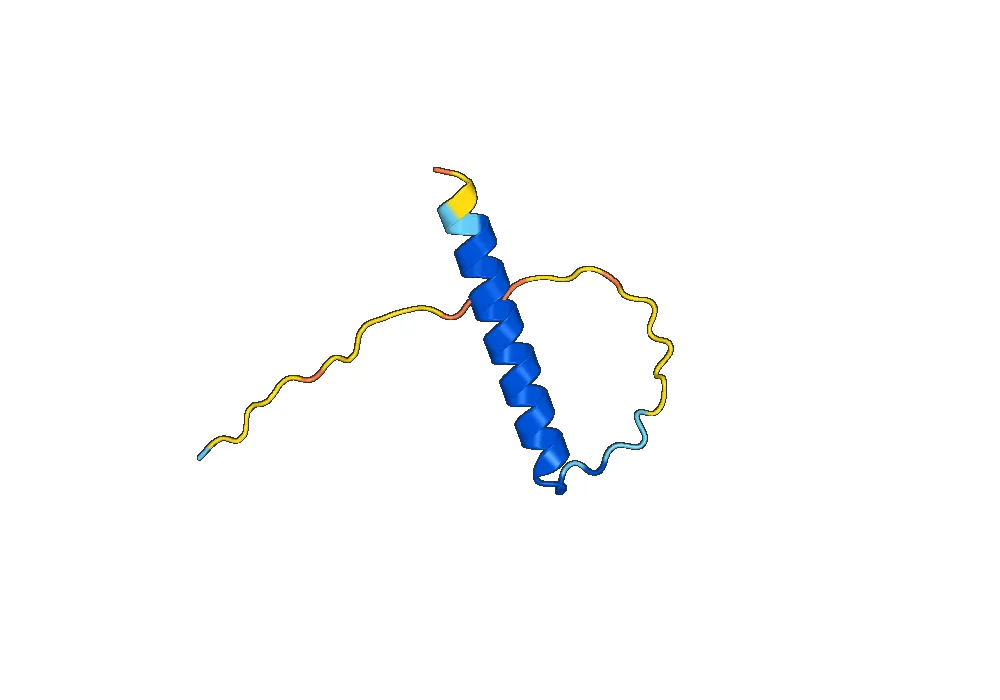
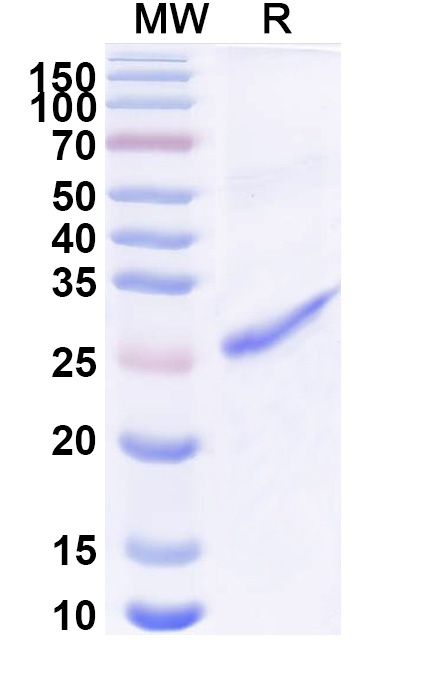
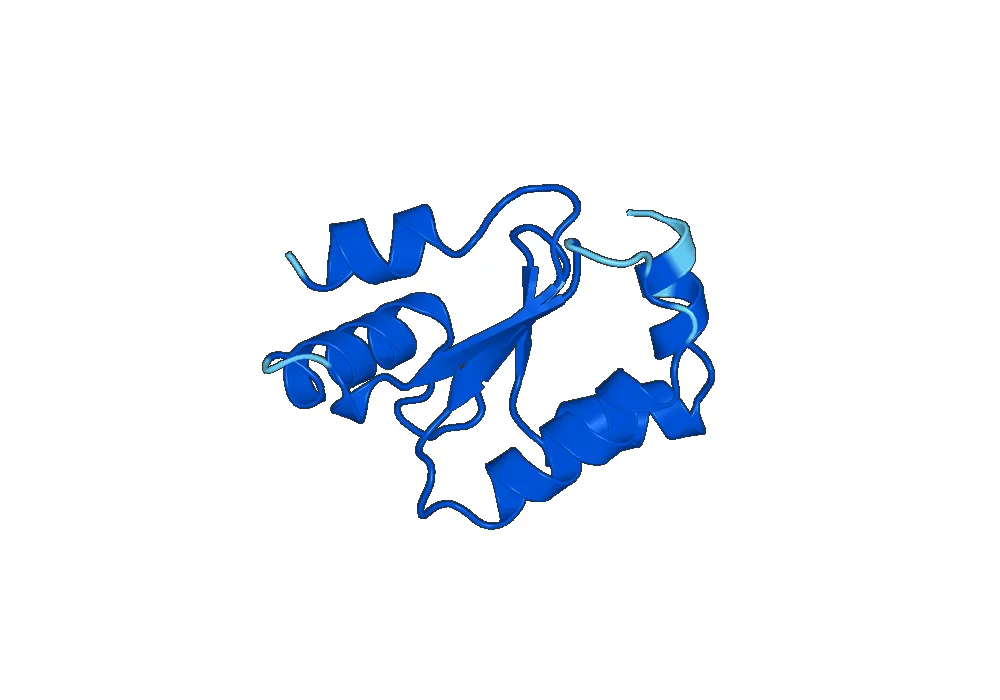
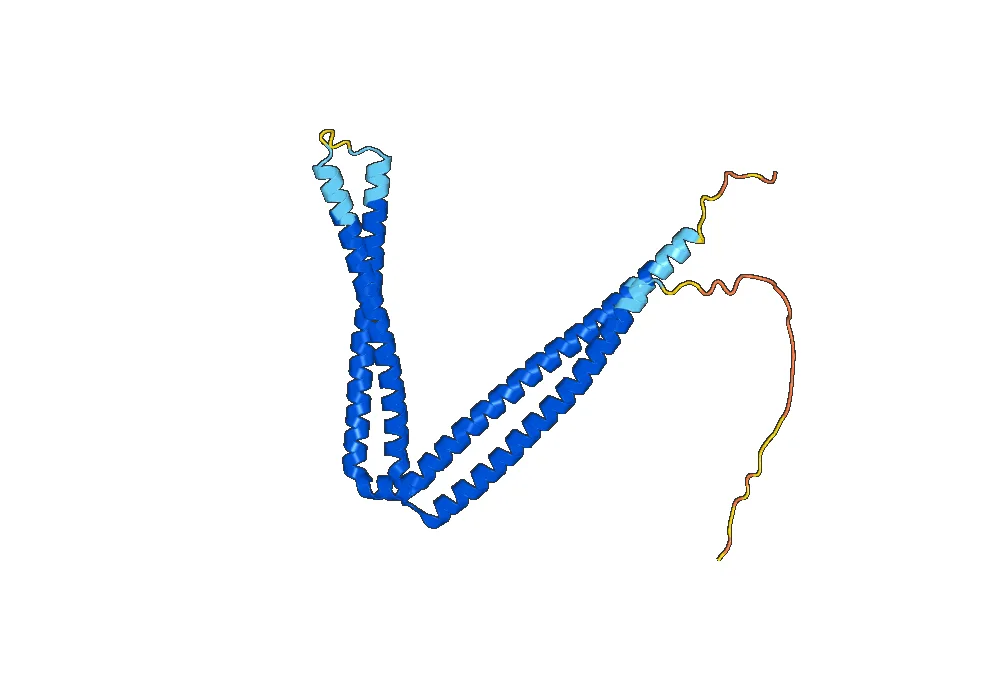
Recombinant Human F7/Coagulation Factor VII Protein has a similar structure to the naturally occurring factor VII protein. It is a single-chain glycoprotein with a molecular weight of approximately 50 kDa. The protein consists of 406 amino acids and contains two domains, the Gla domain and the protease domain.
The Gla domain is responsible for the calcium-dependent binding of factor VII to phospholipid surfaces, while the protease domain is responsible for the activation of other coagulation factors in the blood clotting cascade. The protein also contains several post-translational modifications, such as glycosylation, which may affect its biological activity.
Activity of Recombinant Human F7/Coagulation Factor VII Protein
Recombinant Human F7/Coagulation Factor VII Protein plays a crucial role in the blood clotting process. It is activated by tissue factor, a protein found on the surface of damaged blood vessels, to form the active enzyme factor VIIa. Factor VIIa then activates other coagulation factors, leading to the formation of a blood clot.
In addition to its role in blood clotting, recombinant Human F7/Coagulation Factor VII Protein also has potential therapeutic applications. It has been shown to have hemostatic effects in patients with congenital factor VII deficiency, a rare bleeding disorder caused by a deficiency of the factor VII protein. It has also been used in the treatment of patients with acquired hemophilia, a condition where the body produces antibodies that attack and destroy factor VIII or IX, leading to excessive bleeding.
Application of Recombinant Human F7/Coagulation Factor VII Protein
Recombinant Human F7/Coagulation Factor VII Protein has been approved by the US Food and Drug Administration (FDA) for the treatment of bleeding episodes in patients with hemophilia A or B who have inhibitors to factor VIII or IX. It is also approved for use in patients with acquired hemophilia and congenital factor VII deficiency.
In addition to its approved indications, recombinant Human F7/Coagulation Factor VII Protein has also been studied for its potential use in other bleeding disorders, such as von Willebrand disease and platelet disorders. It has also been investigated as a potential treatment for traumatic bleeding and postpartum hemorrhage.
The use of recombinant Human F7/Coagulation Factor VII Protein has also been explored in non-hemostatic conditions, such as in the treatment of acute ischemic stroke. It has been shown to have neuroprotective effects and may help reduce brain damage after a stroke.
Conclusion
In summary, recombinant Human F7/Coagulation Factor VII Protein is a synthetic version of the naturally occurring factor VII protein. It has a similar structure and activity to the natural protein and plays a crucial role in the blood clotting process. It has been approved for the treatment of bleeding episodes in patients with hemophilia and has potential therapeutic applications in other bleeding disorders. Further research is ongoing to explore its potential use in non-hemostatic conditions.


There are no reviews yet.