Introduction
Recombinant Human RHBDL2 Protein, also known as Rhomboid-like protein 2, is a type I transmembrane protein that plays a crucial role in various biological processes, including cell signaling, protein trafficking, and cell adhesion. This protein is encoded by the RHBDL2 gene and is highly conserved in vertebrates, indicating its importance in cellular function.
Structure of Recombinant Human RHBDL2 Protein
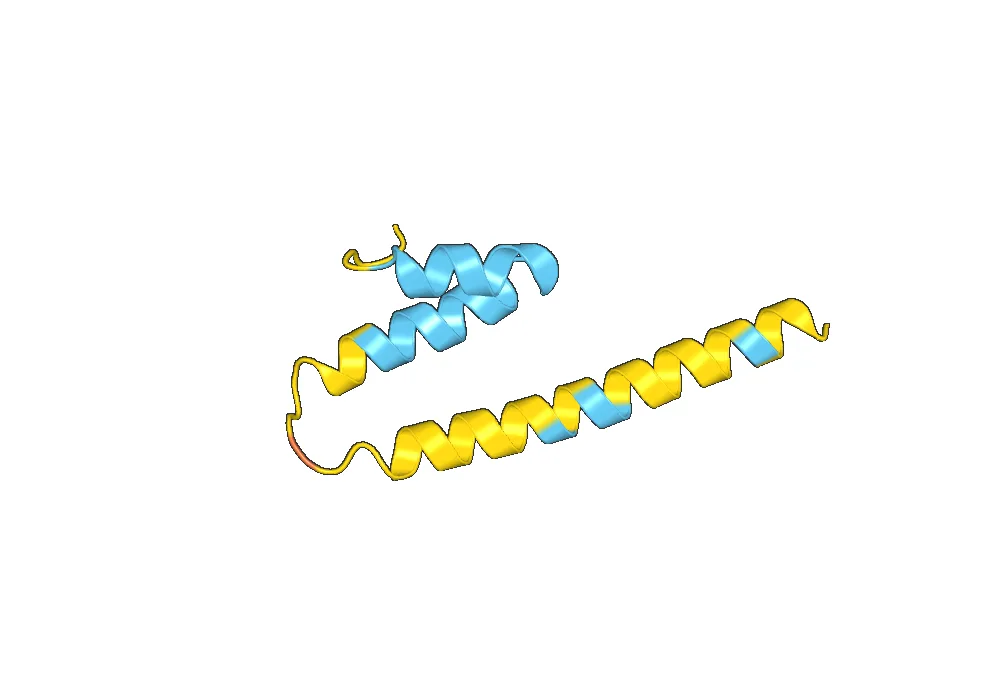
The recombinant form of RHBDL2 protein is produced through genetic engineering techniques, where the gene that encodes for the protein is inserted into a suitable expression system, such as bacteria or yeast. The resulting protein is a 26 kDa single-pass transmembrane protein with a predicted N-terminal cytoplasmic domain and a C-terminal extracellular domain. The extracellular domain contains a highly conserved catalytic serine residue, which is essential for its proteolytic activity.
Activity of Recombinant Human RHBDL2 Protein
RHBDL2 protein belongs to the rhomboid family of intramembrane serine proteases, which are known for their ability to cleave transmembrane proteins within the lipid bilayer. This proteolytic activity is crucial for the regulation of various signaling pathways, including the Notch and EGF pathways. RHBDL2 has been shown to cleave several transmembrane proteins, such as E-cadherin, CD44, and amyloid precursor protein (APP), and is involved in the regulation of cell adhesion, migration, and APP processing.
Application of Recombinant Human RHBDL2 Protein
Due to its important role in cellular processes, recombinant RHBDL2 protein has been widely used in various research studies and has potential applications in the pharmaceutical industry. Some of the key applications of this protein are discussed below.
1. Study of cellular signaling pathways
Recombinant RHBDL2 protein has been instrumental in understanding the role of the rhomboid family of proteases in various cellular signaling pathways. Its ability to cleave transmembrane proteins within the lipid bilayer has provided valuable insights into the regulation of these pathways and their impact on cellular processes.
2. Development of therapeutic agents
The involvement of RHBDL2 in various signaling pathways and its potential as a drug target has led to the development of therapeutic agents that can modulate its activity. These agents can be used to treat diseases associated with dysregulated signaling pathways, such as cancer and Alzheimer’s disease.
3. Production of monoclonal antibodies
Recombinant RHBDL2 protein has also been used in the production of monoclonal antibodies for research and diagnostic purposes. These antibodies can specifically bind to RHBDL2 and can be used to study its expression and activity in different tissues and cell types.
4. Development of biosensors
The proteolytic activity of RHBDL2 can be utilized in the development of biosensors for the detection of various biomarkers. These biosensors can be used for early diagnosis and monitoring of diseases, providing a non-invasive and sensitive approach.
5. Role in protein production and trafficking
RHBDL2 has been shown to play a role in the trafficking and processing of transmembrane proteins, making it a potential tool for the production of recombinant proteins. Its ability to cleave transmembrane proteins within the lipid bilayer can be harnessed to improve the production and purification of membrane proteins.
Conclusion
In summary, recombinant Human RHBDL2 Protein is a crucial player in various cellular processes, and its production through genetic engineering techniques has opened up new avenues for research and applications in the pharmaceutical industry. Its diverse roles in cellular signaling, protein processing, and trafficking make it a promising target for the development of therapeutic agents and diagnostic tools. Further studies on the structure and function of this protein will provide


There are no reviews yet.