Introduction
Recombinant Mouse CRISP2 Protein, also known as cysteine-rich secretory protein 2, is a protein that is encoded by the CRISP2 gene in mice. This protein belongs to the CRISP family, which is a group of proteins that are characterized by their high cysteine content and their ability to bind to phospholipids. Recombinant CRISP2 protein is produced through genetic engineering techniques and has a wide range of applications in the field of biotechnology and medicine.
Structure of Recombinant Mouse CRISP2 Protein
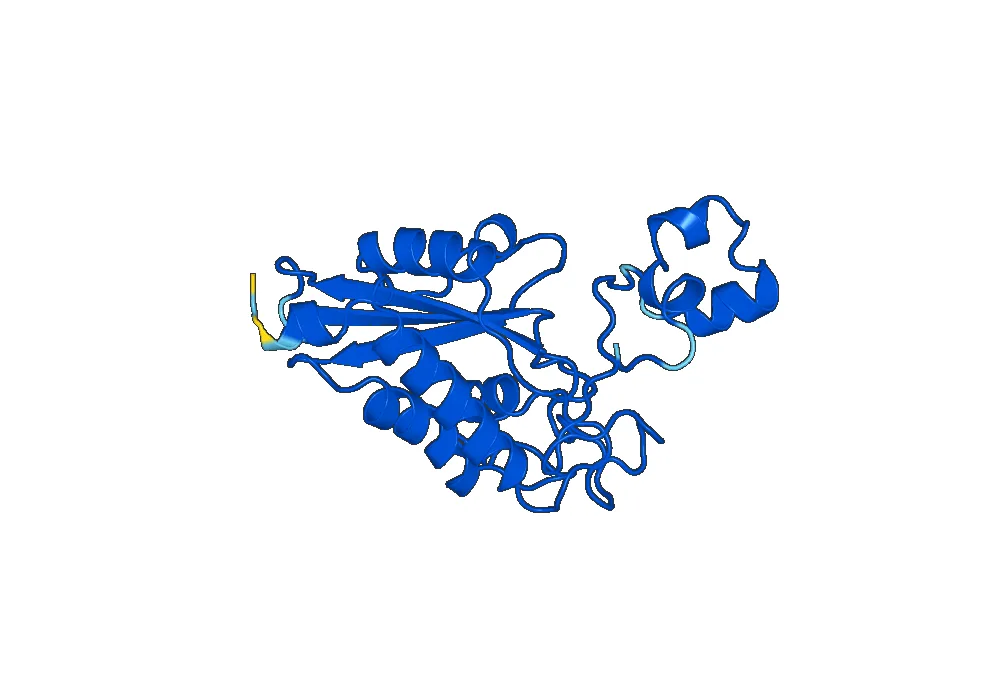
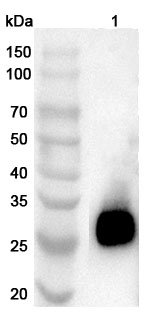
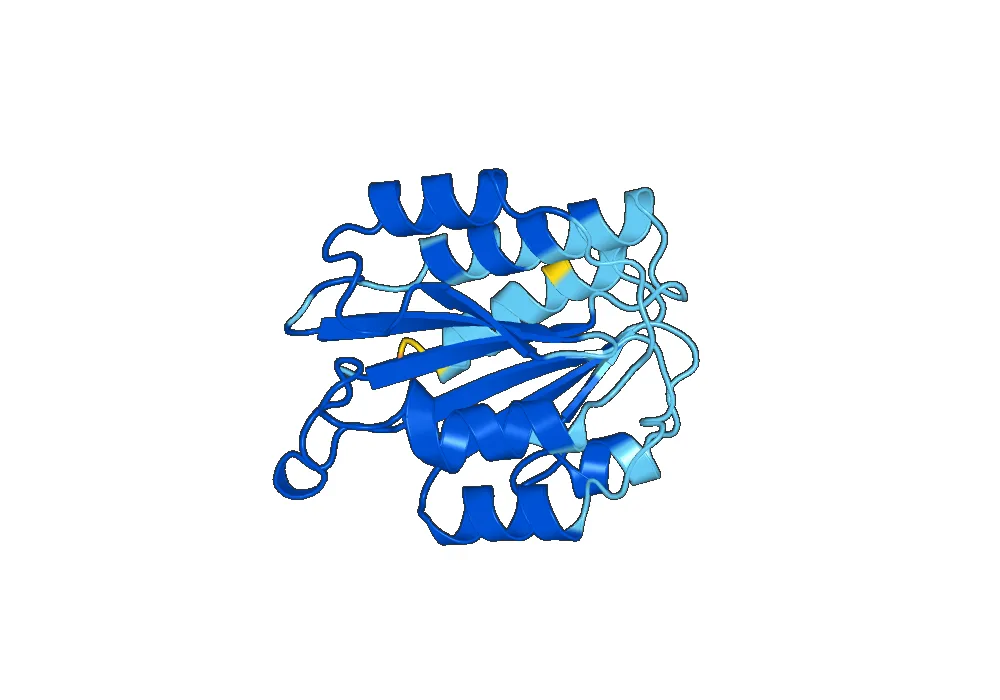
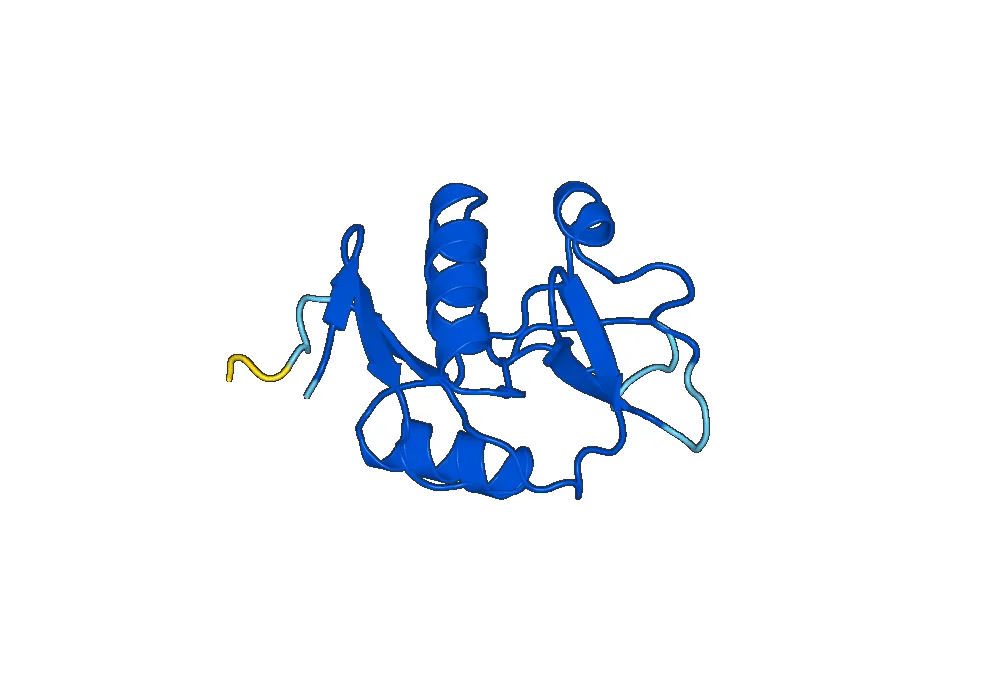
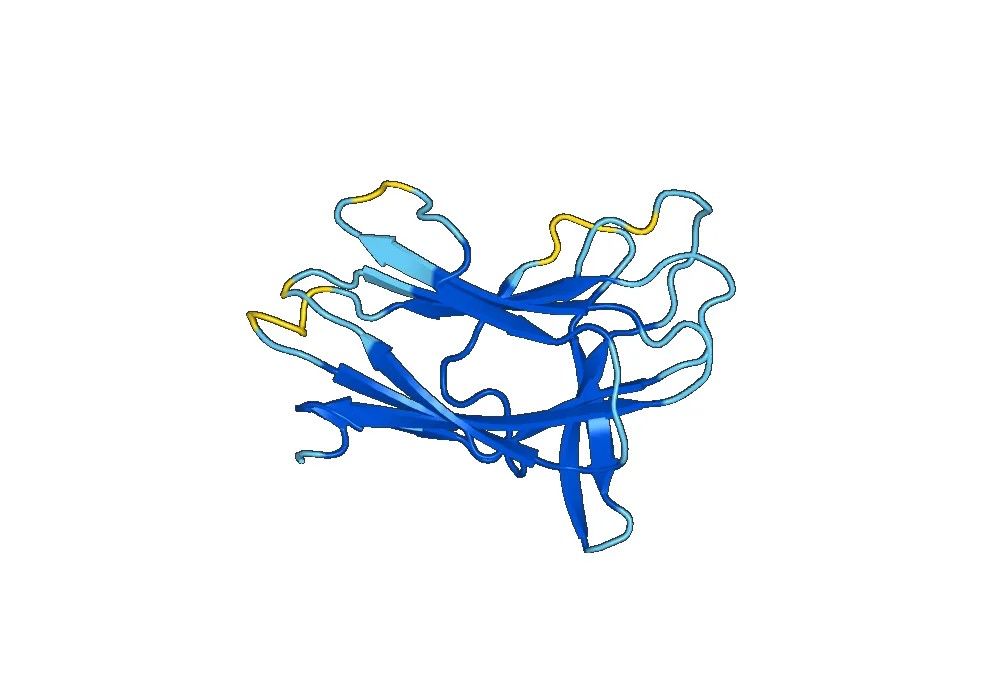
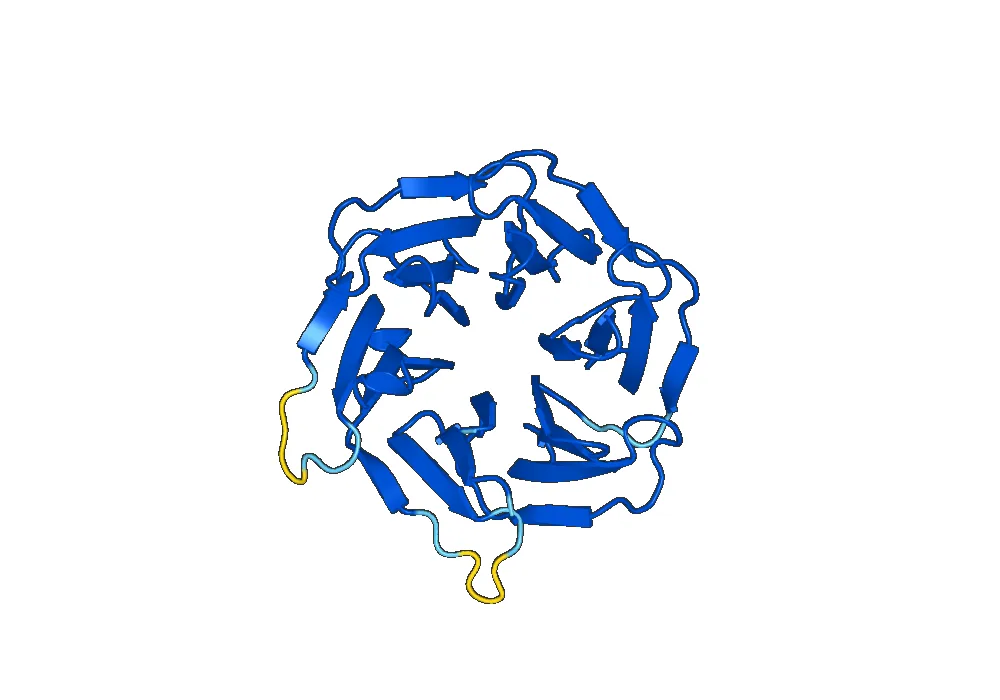
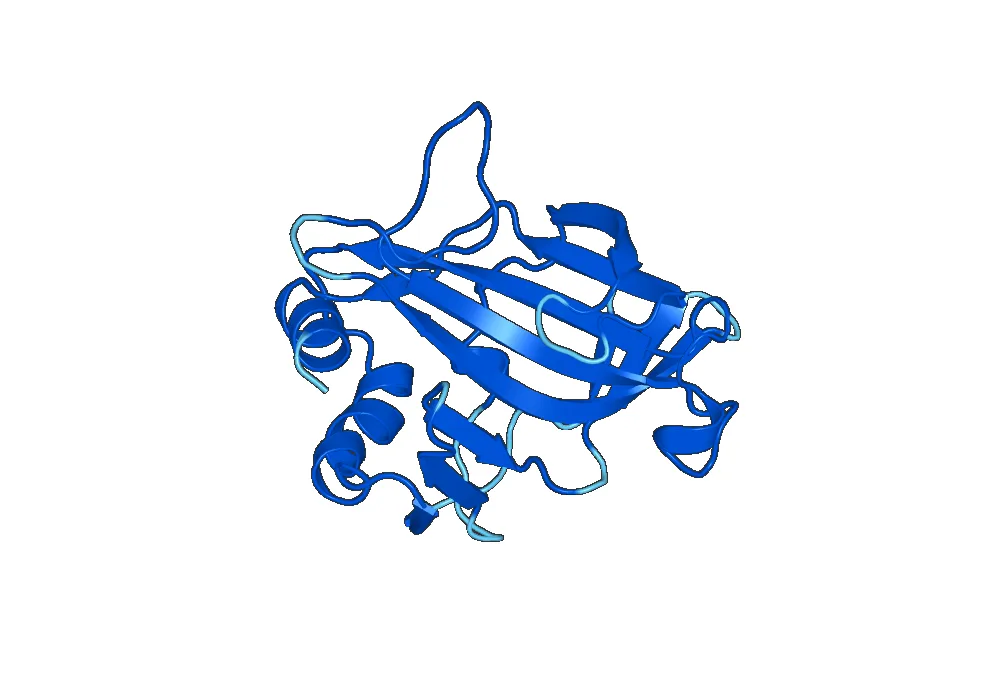
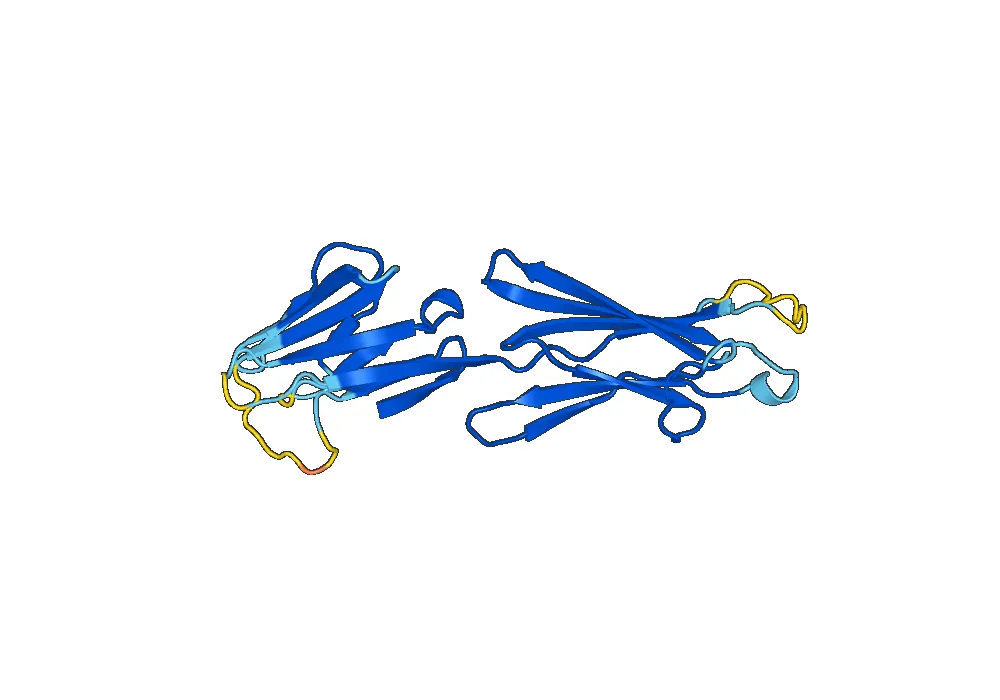
The recombinant form of CRISP2 protein is a single polypeptide chain that consists of 247 amino acids. It has a molecular weight of approximately 28 kDa. The protein has a high cysteine content, with 16 cysteine residues forming disulfide bonds that contribute to its stable structure. The protein also contains a signal peptide at its N-terminus, which is important for its secretion from cells. The structure of CRISP2 protein is similar to other members of the CRISP family, with a conserved cysteine-rich domain and a variable region that is responsible for its specific functions.
Activity of Recombinant Mouse CRISP2 Protein
Recombinant CRISP2 protein has been shown to have multiple activities, including binding to phospholipids, inhibiting ion channels, and modulating immune responses. The high cysteine content of the protein allows it to interact with phospholipids, which are essential components of cell membranes. This interaction can affect the fluidity and permeability of the membrane, leading to changes in cell function. Additionally, CRISP2 protein has been found to inhibit certain ion channels, which are important for the regulation of cellular processes such as muscle contraction and neurotransmitter release. The protein has also been shown to have immunomodulatory effects, with studies demonstrating its ability to regulate the activity of immune cells and cytokine production.
Application of Recombinant Mouse CRISP2 Protein
The unique properties of recombinant CRISP2 protein make it a valuable tool for various applications in biotechnology and medicine. One major application is its use as an antigen in research and diagnostic assays. The protein can be used to generate antibodies that specifically recognize CRISP2, allowing for the detection and quantification of the protein in various samples. This is particularly useful in studies involving male reproductive function, as CRISP2 is highly expressed in the testes and is involved in sperm maturation and fertilization.
Recombinant CRISP2 protein has also shown potential in the development of novel therapeutics. Its ability to interact with cell membranes and modulate immune responses makes it a promising candidate for drug delivery systems and immunotherapies. Additionally, the protein’s inhibitory effects on ion channels could be harnessed for the treatment of conditions such as hypertension and epilepsy.
Furthermore, recombinant CRISP2 protein has been studied for its potential role in male contraception. The protein is essential for sperm maturation and fertilization, and targeting its function could lead to the development of non-hormonal male contraceptives.
Conclusion
Recombinant Mouse CRISP2 Protein is a unique and versatile protein with multiple activities and applications. Its high cysteine content and ability to interact with phospholipids make it a valuable tool for research and diagnostic assays. The protein’s potential in drug development and male contraception further highlights its importance in the field of biotechnology and medicine. With ongoing research and advancements in genetic engineering techniques, the potential of recombinant CRISP2 protein is yet to be fully explored and could lead to further breakthroughs in various fields.

There are no reviews yet.