Introduction
The 3C Protease, also known as the 3C-like protease or 3CLpro, is a key enzyme involved in the replication of coronaviruses. It is a highly conserved protease found in the genomes of all coronaviruses, including the recent SARS-CoV-2 responsible for the COVID-19 pandemic. In this article, we will explore the structure, activity, and application of 3C Protease in detail.
Structure of 3C Protease
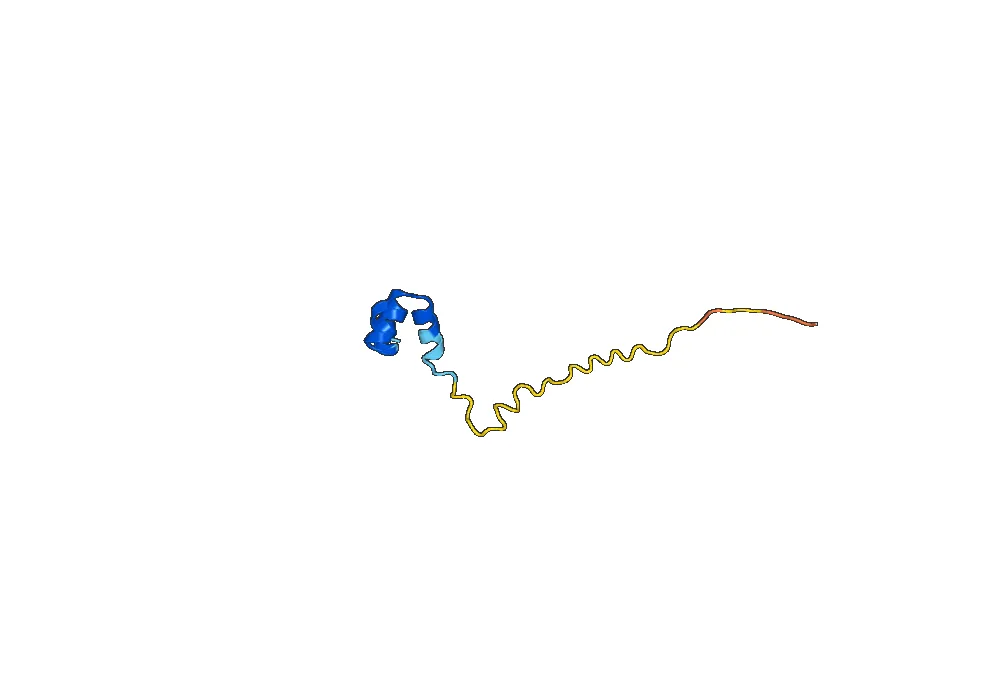
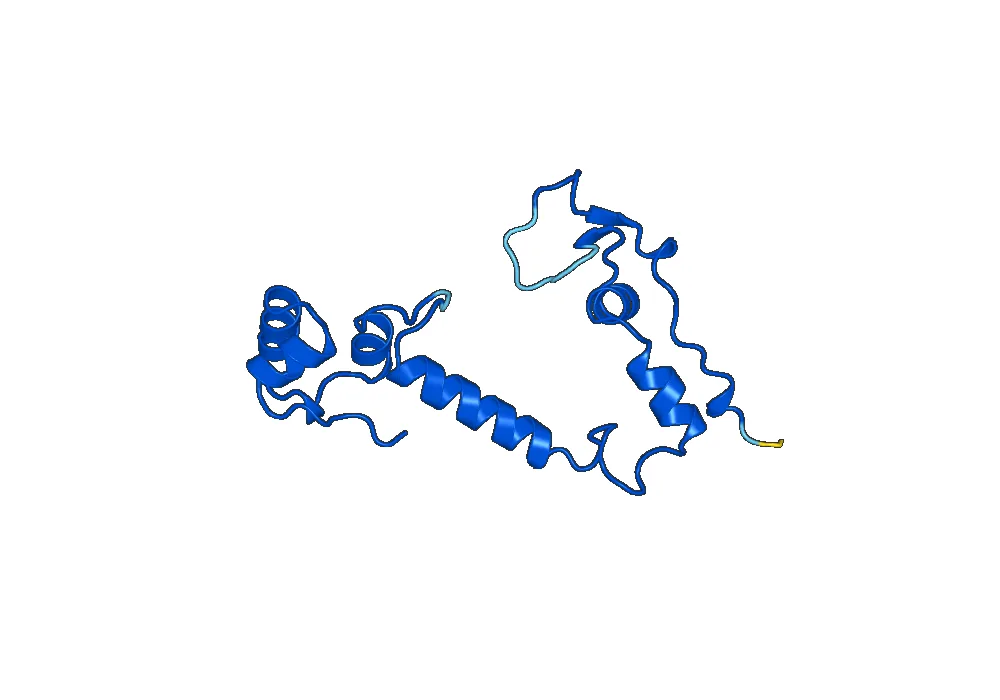
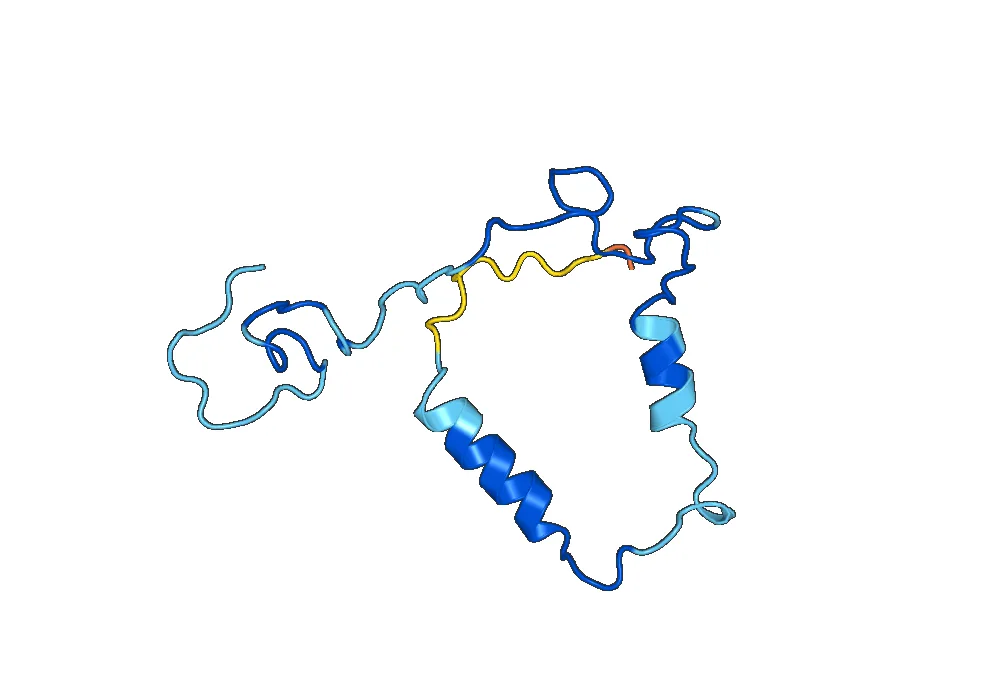
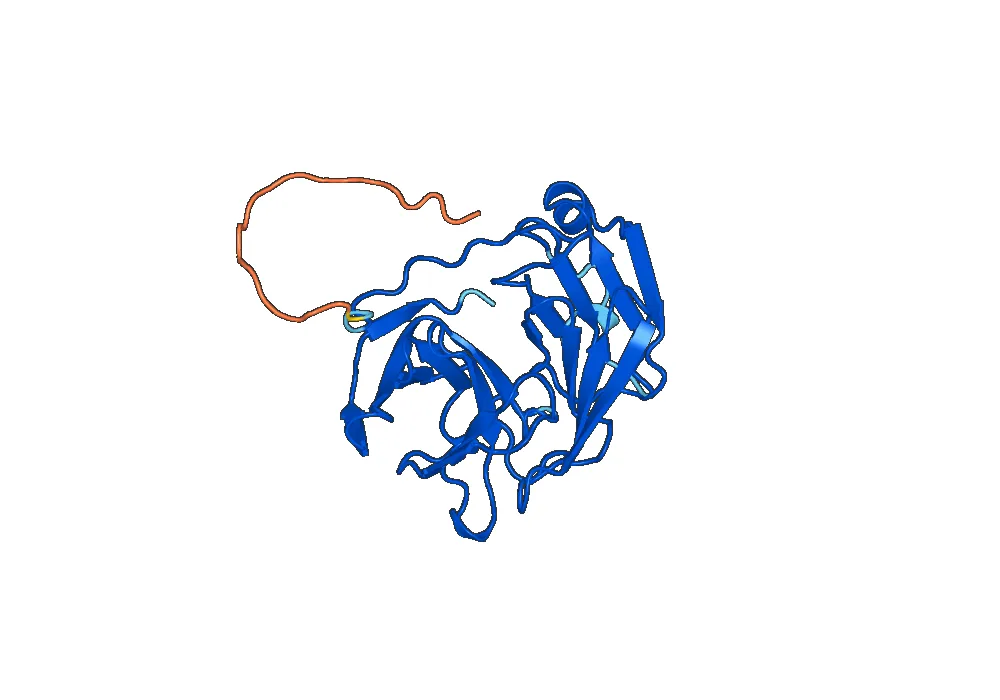
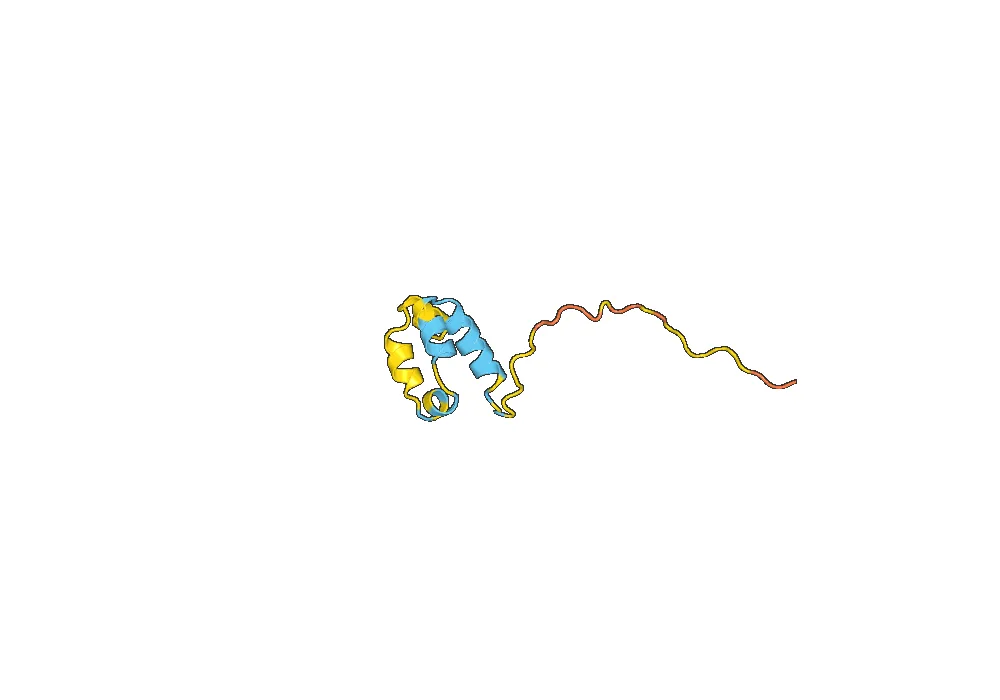
The 3C Protease is a cysteine protease, meaning it utilizes a cysteine residue in its active site to cleave peptide bonds. It is a large protein, with a molecular weight of approximately 200 kDa. The crystal structure of 3C Protease has been determined for several coronaviruses, including SARS-CoV-2. It consists of three domains: the N-terminal domain, the catalytic domain, and the C-terminal domain. The catalytic domain contains the active site, which is responsible for the proteolytic activity of the enzyme. The N-terminal and C-terminal domains are involved in substrate recognition and binding.
Activity of 3C Protease
The main function of 3C Protease is to cleave the viral polyprotein into individual functional proteins during viral replication. This process is essential for the production of new viral particles. The 3C Protease recognizes specific amino acid sequences in the polyprotein and cleaves them at precise locations. This results in the release of non-structural proteins, which are crucial for viral replication, and structural proteins, which form the viral particle.
In addition to its role in viral replication, 3C Protease also plays a critical role in viral pathogenesis. It has been shown to cleave host cell proteins involved in the immune response, thus aiding the virus in evading the host’s immune system. This activity of 3C Protease is one of the reasons why coronaviruses can cause severe and sometimes fatal respiratory infections.
Application of 3C Protease
The unique structure and activity of 3C Protease make it an attractive target for drug development. Inhibitors of 3C Protease have the potential to disrupt viral replication and prevent the spread of infection. In fact, several inhibitors of 3C Protease are currently being studied as potential treatments for COVID-19. These inhibitors work by binding to the active site of the enzyme, preventing it from cleaving the viral polyprotein.
Another application of 3C Protease is in recombinant protein production. The enzyme has been extensively studied and engineered for use as a protease in protein purification processes. Recombinant proteins can be fused with a specific sequence recognized by 3C Protease, allowing for their efficient and precise cleavage during purification.
Furthermore, 3C Protease is also used in antigen production for diagnostic tests and vaccine development. The enzyme can be used to cleave viral proteins into smaller fragments, which can then be used as antigens to elicit an immune response. This is particularly useful in the development of recombinant vaccines, where the use of live or attenuated viruses is not desirable.
Conclusion
In conclusion, the 3C Protease is a vital enzyme in the replication of coronaviruses, including SARS-CoV-2. Its unique structure and activity make it an attractive target for drug development, and it has important applications in recombinant protein production and antigen production. Further research on 3C Protease will undoubtedly lead to a better understanding of its role in viral pathogenesis and potential therapeutic interventions for coronavirus infections.


There are no reviews yet.