Introduction
Andecaliximab is a novel antibody that has gained attention in the field of cancer research due to its potential as a therapeutic target. This antibody has shown promising results in preclinical studies and is currently being evaluated in clinical trials. To facilitate the detection and quantification of Andecaliximab, an ELISA kit has been developed. In this article, we will provide a scientific description of the structure, activity, and application of Andecaliximab ELISA kit.
Structure of Andecaliximab
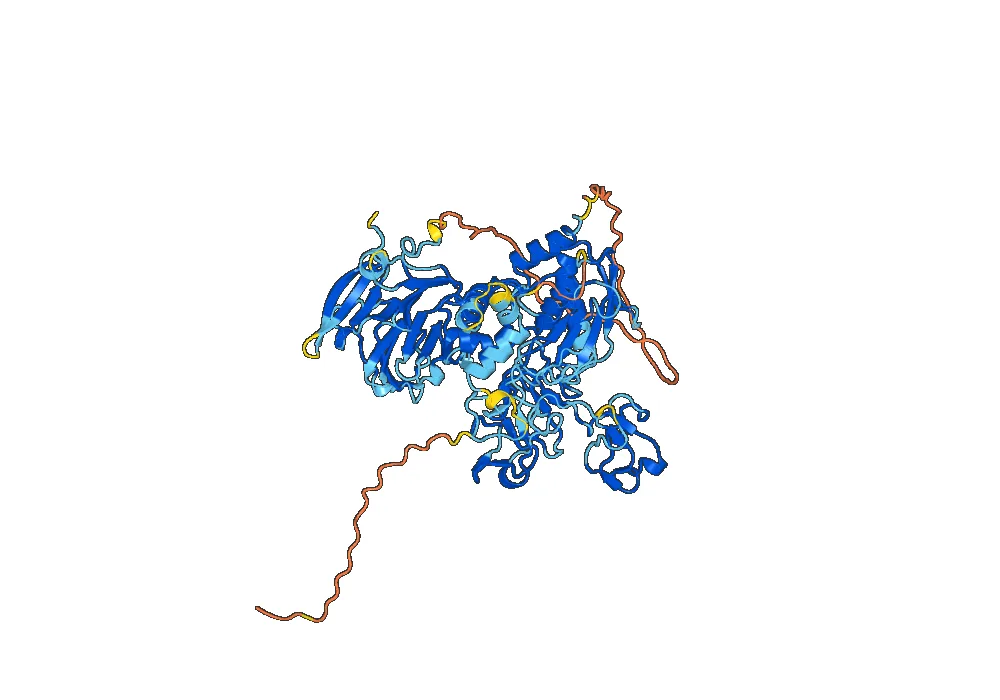
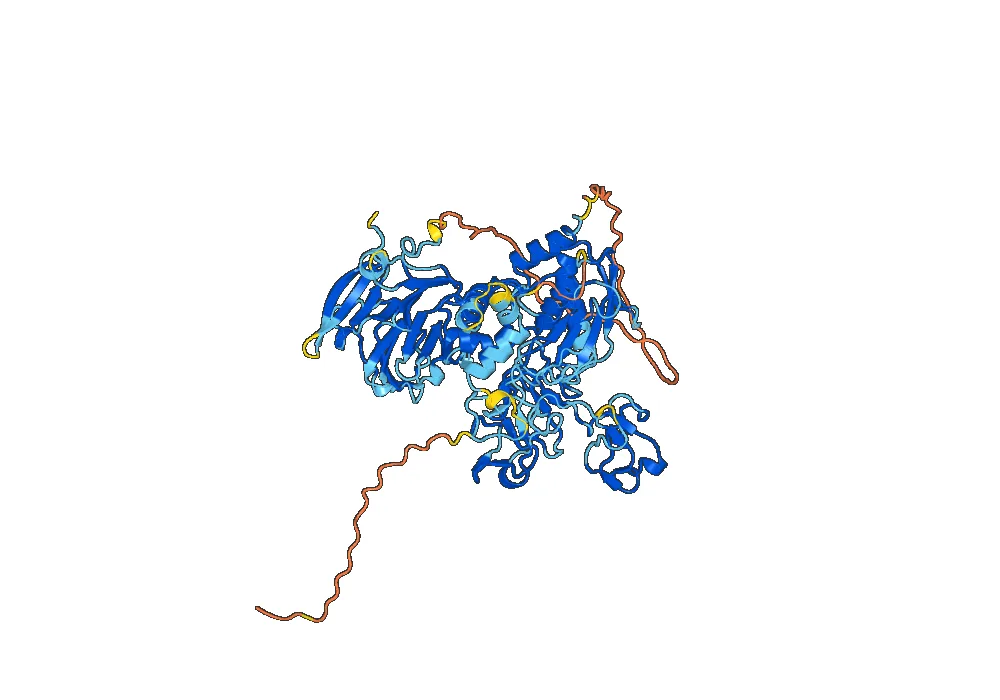
Andecaliximab is a humanized monoclonal antibody that specifically targets the protein glycoprotein A33 (GPA33). It is composed of two heavy chains and two light chains, each with a molecular weight of approximately 50 kDa. The heavy chains contain a constant region (Fc) and a variable region (Fab), while the light chains only have a variable region. The variable regions of Andecaliximab are responsible for binding to GPA33, while the constant regions are involved in immune effector functions.
Activity of Andecaliximab
Andecaliximab exerts its activity by binding to GPA33, a cell surface protein that is overexpressed in various types of cancers, including colorectal, pancreatic, and gastric cancer. By binding to GPA33, Andecaliximab inhibits its interaction with other proteins, leading to the inhibition of tumor growth and metastasis. Additionally, Andecaliximab can also induce antibody-dependent cell-mediated cytotoxicity (ADCC) and complement-dependent cytotoxicity (CDC), which further enhances its anti-tumor activity.
Application of Andecaliximab ELISA Kit
The Andecaliximab ELISA kit is a valuable tool for the detection and quantification of Andecaliximab in various biological samples, such as serum, plasma, and cell culture supernatant. This kit utilizes the sandwich ELISA technique, where Andecaliximab is captured by a specific antibody coated on the microplate wells, and then detected by a second antibody conjugated to an enzyme. The amount of Andecaliximab present in the sample is directly proportional to the color intensity, which can be measured using a spectrophotometer.
Advantages of Andecaliximab ELISA Kit
The Andecaliximab ELISA kit offers several advantages over traditional methods of antibody detection. Firstly, it is highly sensitive, with a detection limit of 0.1 ng/ml, making it suitable for the detection of low concentrations of Andecaliximab. Secondly, it has a wide dynamic range, allowing for the quantification of Andecaliximab in a broad range of concentrations. Additionally, this kit is easy to use, with a simple and fast protocol, making it suitable for high-throughput screening.
Clinical Applications of Andecaliximab ELISA Kit
The Andecaliximab ELISA kit has several clinical applications, including monitoring the pharmacokinetics of Andecaliximab in patients receiving treatment, assessing the level of Andecaliximab in serum or plasma to determine patient response, and evaluating the pharmacodynamics of Andecaliximab in preclinical and clinical studies. Furthermore, this kit can also be used to measure the presence of Andecaliximab in patient samples for the development of personalized treatment strategies.
Conclusion
In conclusion, Andecaliximab ELISA kit is a valuable tool for the detection and quantification of Andecaliximab, a promising therapeutic antibody targeting GPA33. This kit offers several advantages over traditional methods and has various clinical applications, making it an essential tool for researchers and clinicians in the field of cancer research. Further studies and clinical trials are needed to fully explore the potential of Andecaliximab as a therapeutic target and its application in personalized cancer treatment.

There are no reviews yet.