Product Name: Anti-AAV9 VP1/Capsid protein VP1 Antibody (SAA2503)
Biological Function:
The Anti-AAV9 VP1/Capsid protein VP1 Antibody (SAA2503) is a highly specific antibody that targets the VP1 protein of the Adeno-associated virus serotype 9 (AAV9). This protein is a crucial component of the AAV9 capsid, which is responsible for viral entry into host cells. By binding to the VP1 protein, this antibody effectively blocks AAV9 from infecting cells and prevents the spread of the virus.
Main Applications:
This antibody has a wide range of applications in the field of biotechnology. It can be used for both in vitro and in vivo studies, making it a valuable tool for researchers and scientists. Some of the main applications of the Anti-AAV9 VP1/Capsid protein VP1 Antibody (SAA2503) include:
1. Gene Therapy: AAV9 is commonly used as a vector for gene therapy due to its ability to efficiently deliver genetic material to target cells. The Anti-AAV9 VP1/Capsid protein VP1 Antibody (SAA2503) can be used to block AAV9 and prevent unwanted gene transfer, making it a crucial component in gene therapy experiments.
2. Virus Research: AAV9 is a commonly studied virus in virology research due to its potential as a gene therapy vector. This antibody can be used to study the role of AAV9 in viral infections and to investigate potential treatments for AAV9-related diseases.
3. Cell Biology: The AAV9 VP1 protein plays a key role in viral entry and infection. By targeting this protein, the Anti-AAV9 VP1/Capsid protein VP1 Antibody (SAA2503) can be used to study the mechanisms of viral entry and infection, as well as to develop new antiviral strategies.
Experimental Use Cases:
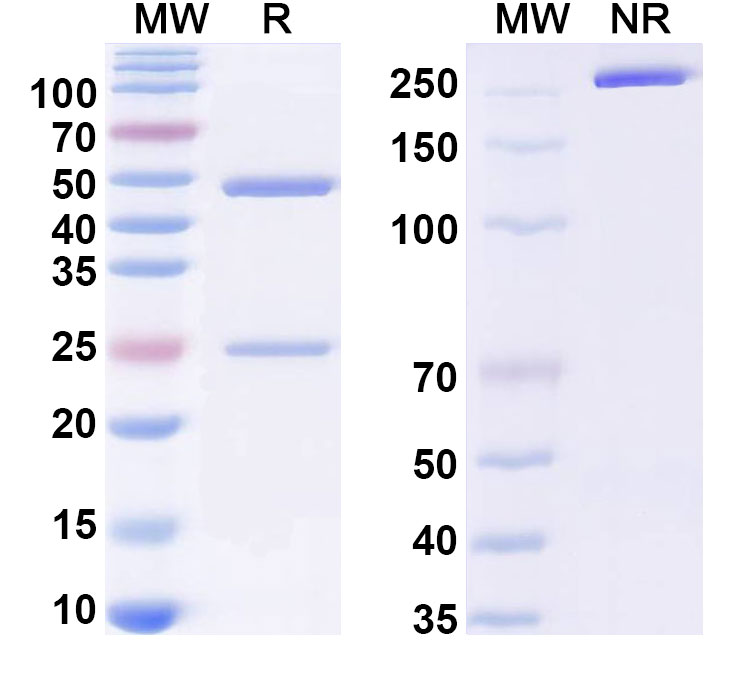
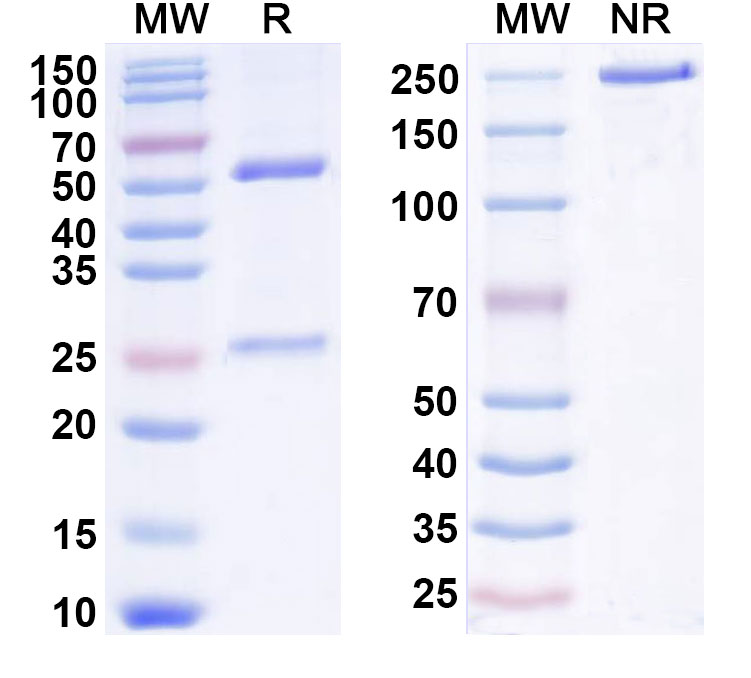
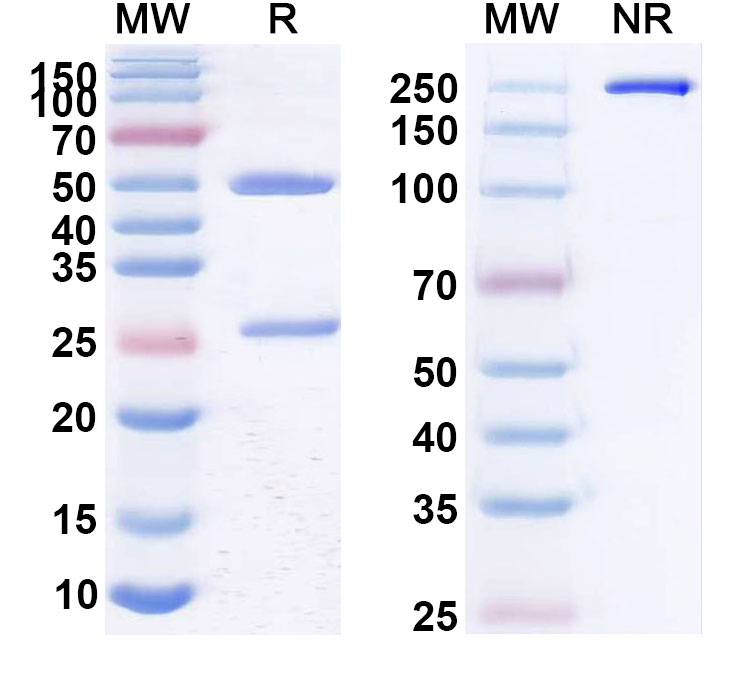
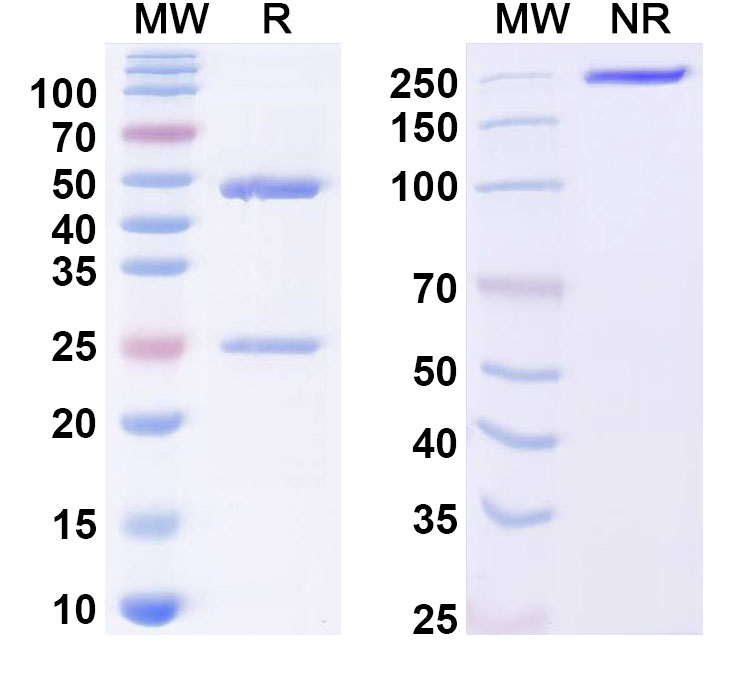
The Anti-AAV9 VP1/Capsid protein VP1 Antibody (SAA2503) has been extensively tested in various experimental settings and has shown high specificity and sensitivity. Some of the potential use cases for this antibody include:
1. Immunofluorescence: This antibody can be used in immunofluorescence assays to detect the presence of AAV9 in samples. It can also be used for colocalization studies to determine the subcellular localization of AAV9.
2. Western Blot: The Anti-AAV9 VP1/Capsid protein VP1 Antibody (SAA2503) can be used in western blotting to detect the presence of AAV9 capsid proteins in cell lysates or purified virus samples.
3. ELISA: This antibody can be used in enzyme-linked immunosorbent assays (ELISA) to quantify the levels of AAV9 in samples. It can also be used for screening AAV9-specific antibodies or inhibitors.
In conclusion, the Anti-AAV9 VP1/Capsid protein VP1 Antibody (SAA2503) is a highly specific and versatile tool for studying AAV9 and its role in gene therapy, virus research, and cell biology. With its wide range of applications and proven efficacy in various experimental settings, this antibody is a valuable asset for any biotech laboratory. Order now and take your research to the next level.
There are no reviews yet.