Anti-BoHV-1 gD/Glycoprotein D Polyclonal Antibody: A Powerful Tool for Studying Bovine Herpesvirus 1 Infection
The Anti-BoHV-1 gD/Glycoprotein D Polyclonal Antibody is a highly specific and sensitive tool for detecting and studying Bovine Herpesvirus 1 (BoHV-1) infection. This polyclonal antibody is produced using a unique blend of antigen-specific B cells, resulting in a high affinity and high specificity antibody that can be used for a wide range of applications in biotechnology and research.
Biological Function:
BoHV-1 is a highly contagious virus that primarily affects cattle, causing respiratory and reproductive issues, leading to significant economic losses in the livestock industry. The virus enters the host cells through the glycoprotein D (gD) on its surface, making it a crucial target for detection and study. The Anti-BoHV-1 gD/Glycoprotein D Polyclonal Antibody specifically binds to the gD protein, allowing for the precise identification and analysis of BoHV-1 infection.
Main Applications:
This polyclonal antibody is an essential tool for researchers and biotech companies working on BoHV-1-related projects. It can be used in various applications, including:
1. BoHV-1 Detection: The Anti-BoHV-1 gD/Glycoprotein D Polyclonal Antibody can be used in diagnostic assays to detect the presence of BoHV-1 in cattle and other livestock. Its high specificity and sensitivity make it a reliable tool for early detection and accurate diagnosis.
2. Vaccine Development: The gD protein is a crucial component of BoHV-1 vaccines. The Anti-BoHV-1 gD/Glycoprotein D Polyclonal Antibody can be used to evaluate the efficacy of these vaccines by measuring the antibody response in vaccinated animals.
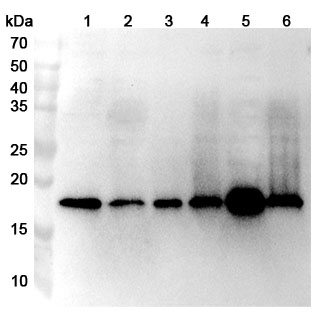
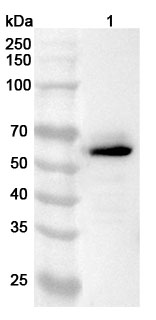
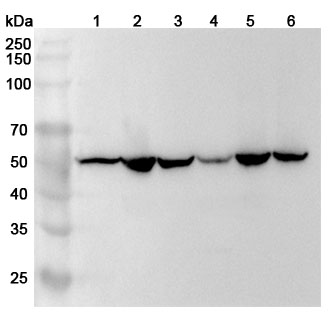
3. BoHV-1 Research: This polyclonal antibody is an excellent tool for studying the molecular mechanisms of BoHV-1 infection. It can be used in various research techniques, including Western blotting, ELISA, and immunofluorescence, to analyze the expression and localization of the gD protein.
Experimental Use Cases:
The Anti-BoHV-1 gD/Glycoprotein D Polyclonal Antibody has been extensively tested and validated in various experimental settings. Some of the notable use cases include:
1. Detection of BoHV-1 in nasal swabs and tissue samples from infected cattle.
2. Evaluation of the antibody response in cattle vaccinated with gD-based BoHV-1 vaccines.
3. Analysis of gD protein expression and localization in BoHV-1-infected cells.
In addition to these use cases, the Anti-BoHV-1 gD/Glycoprotein D Polyclonal Antibody has also been used in other research applications, demonstrating its versatility and reliability.
In conclusion, the Anti-BoHV-1 gD/Glycoprotein D Polyclonal Antibody is a highly specific and sensitive tool for detecting and studying BoHV-1 infection. Its unique production process and excellent performance make it a valuable asset for researchers and biotech companies working on BoHV-1-related projects. Order now to advance your research and biotech projects with confidence.

There are no reviews yet.