Introduction
The Anti-Flag Tag (DYKDDDDK) Antibody (M2) is a highly specific and widely used tool in the field of molecular biology. This antibody binds to the Flag peptide sequence (DYKDDDDK) and has a wide range of applications in both research and therapeutic settings. In this article, we will discuss the structure, activity, and various applications of this antibody, highlighting its importance as a therapeutic target and research tool.
Structure of Anti-Flag Tag (DYKDDDDK) Antibody (M2)
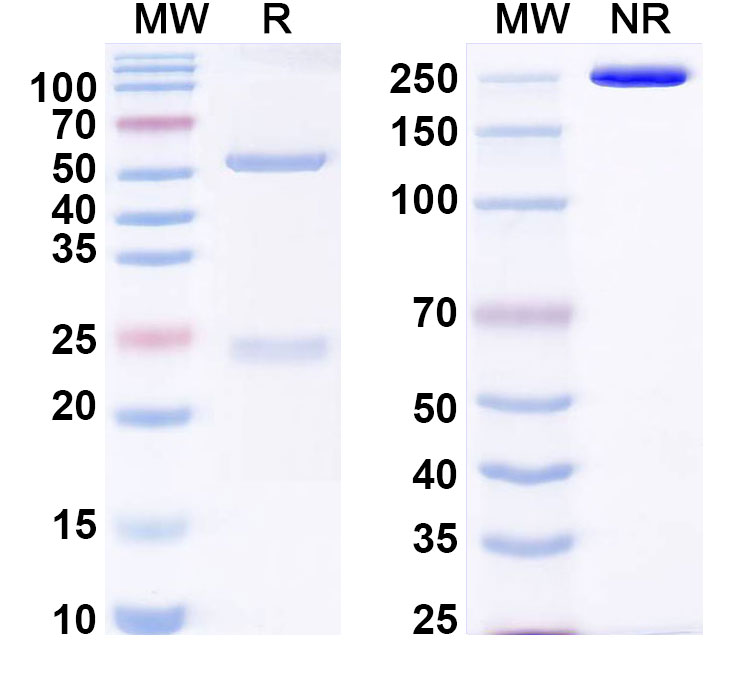
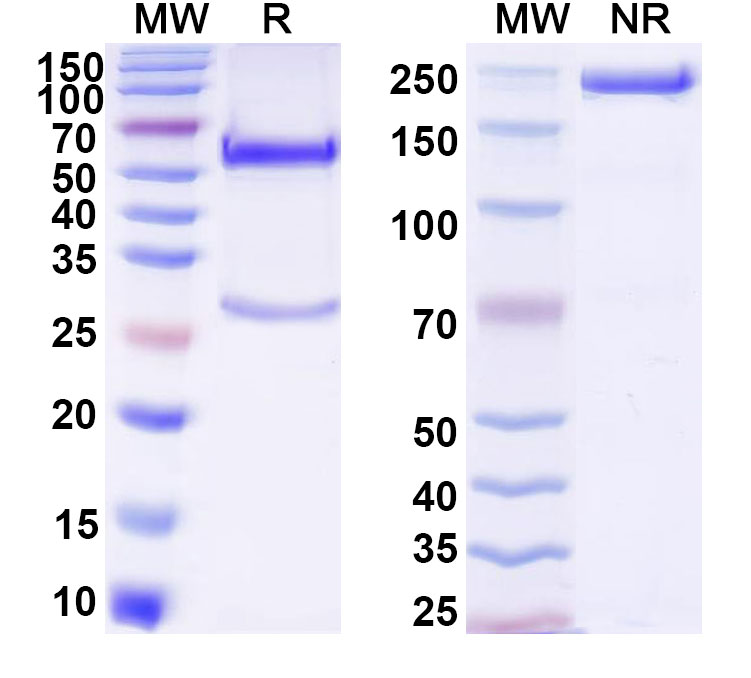
The Anti-Flag Tag (DYKDDDDK) Antibody (M2) is a monoclonal antibody, meaning it is produced by a single clone of cells. It is composed of two heavy chains and two light chains, each consisting of variable and constant regions. The variable regions are responsible for binding to the Flag peptide sequence, while the constant regions determine the antibody’s class and function. The M2 antibody is of the IgG1 subclass and has a molecular weight of approximately 150 kDa.
The crystal structure of the M2 antibody has been determined, revealing its binding mechanism to the Flag peptide. The antibody’s heavy chains form a groove that accommodates the Flag peptide, while the light chains interact with the peptide’s N-terminal end. This precise binding allows for the specific detection and purification of Flag-tagged proteins.
Activity of Anti-Flag Tag (DYKDDDDK) Antibody (M2)
The primary activity of the Anti-Flag Tag (DYKDDDDK) Antibody (M2) is its ability to bind to the Flag peptide sequence. This allows for the detection and purification of Flag-tagged proteins in various applications, including Western blotting, immunoprecipitation, and flow cytometry. The M2 antibody has a high affinity for the Flag peptide, with a dissociation constant (Kd) of approximately 1 nM, making it a powerful tool for protein analysis.
In addition to its binding activity, the M2 antibody has also been shown to induce apoptosis (cell death) in cancer cells expressing the Flag-tagged protein. This unique property has led to the development of targeted cancer therapies using the M2 antibody as a delivery vehicle for chemotherapeutic drugs.
Applications of Anti-Flag Tag (DYKDDDDK) Antibody (M2)
Therapeutic Target
One of the most promising applications of the Anti-Flag Tag (DYKDDDDK) Antibody (M2) is its potential as a therapeutic target. As mentioned earlier, the M2 antibody has the ability to induce apoptosis in cancer cells expressing the Flag-tagged protein. This targeted approach minimizes the side effects associated with traditional chemotherapy and has shown promising results in preclinical studies.
In addition to cancer therapy, the M2 antibody has also been explored as a potential treatment for viral infections. By targeting the Flag-tagged viral proteins, the M2 antibody can block viral replication and inhibit the spread of the infection.
Research Use
The M2 antibody is widely used in research laboratories for the detection and purification of Flag-tagged proteins. It has become a standard tool in molecular biology, allowing for the specific and efficient analysis of proteins of interest. The M2 antibody is also commonly used in protein-protein interaction studies, where the Flag-tag is used as a fusion tag to facilitate the purification and identification of interacting proteins.
Moreover, the M2 antibody has been used in the development of biosensors for the detection of small molecules and protein-protein interactions. By fusing the Flag-tag to the target molecule, the M2 antibody can be used to capture and detect the molecule of interest, providing a sensitive and specific detection method.

There are no reviews yet.