Anti-GLB1 Polyclonal Antibody – A Versatile Tool for Biotech Research
The Anti-GLB1 Polyclonal Antibody is a highly specific and reliable tool for biotech researchers. This antibody is designed to target the GLB1 protein, which plays a crucial role in various biological processes.
Biological Function:
The GLB1 protein, also known as beta-galactosidase, is an enzyme that catalyzes the hydrolysis of beta-galactosides into monosaccharides. This process is essential for the breakdown of complex carbohydrates and the recycling of cellular waste. GLB1 is also involved in the synthesis of glycoproteins, which are important for cell-to-cell communication and immune response.
Main Applications:
The Anti-GLB1 Polyclonal Antibody is a valuable tool for studying the function and regulation of GLB1 in various biological systems. It can be used for:
1. Immunohistochemistry: The antibody can be used to detect the presence and localization of GLB1 in tissue samples. This is useful for understanding the role of GLB1 in different organs and tissues.
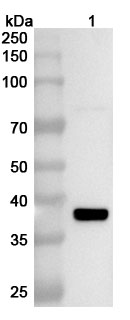
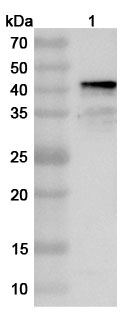
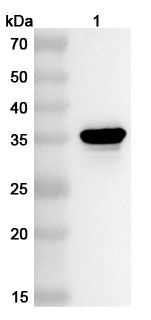
2. Western Blotting: The antibody can be used to detect and quantify GLB1 protein levels in cell lysates. This is helpful for comparing the expression of GLB1 in different cell types or under different experimental conditions.
3. Flow Cytometry: The antibody can be used to identify and isolate cells that express GLB1 on their surface. This is useful for studying the function of GLB1 in specific cell populations.
Experimental Use Cases:
The Anti-GLB1 Polyclonal Antibody has been successfully used in various research areas, including:
1. Lysosomal Storage Disorders: GLB1 deficiency is associated with lysosomal storage disorders, such as GM1 gangliosidosis. The antibody has been used to study the role of GLB1 in these disorders and to develop potential treatments.
2. Cancer Research: GLB1 has been found to be overexpressed in certain types of cancer, making it a potential target for therapy. The antibody has been used to investigate the role of GLB1 in cancer progression and to develop targeted therapies.
3. Neurodegenerative Diseases: GLB1 has been linked to neurodegenerative diseases, such as Alzheimer’s and Parkinson’s. The antibody has been used to study the role of GLB1 in these diseases and to develop potential treatments.
In conclusion, the Anti-GLB1 Polyclonal Antibody is an essential tool for biotech researchers studying GLB1 and its role in various biological processes. Its high specificity and reliability make it a valuable asset for a wide range of applications, from basic research to potential therapeutic development. Order now to advance your research with this versatile antibody.
Keywords: Anti-GLB1 Polyclonal Antibody, biotech research, GLB1 protein, beta-galactosidase, enzyme, biological processes, immunohistochemistry, Western Blotting, Flow Cytometry, lysosomal storage disorders, cancer research, neurodegenerative diseases, specificity, reliability, basic research, therapeutic development.

There are no reviews yet.