Anti-HPV16 E6 Polyclonal Antibody: A Powerful Tool for HPV Research and Diagnostics
Introduction:
HPV (Human Papillomavirus) is a common sexually transmitted infection that can lead to various types of cancers, including cervical, anal, and oral cancer. Among the different types of HPV, HPV16 is the most prevalent and has been linked to over 50% of cervical cancer cases. As such, there is a growing need for effective research tools and diagnostic methods to combat this virus. This is where Anti-HPV16 E6 Polyclonal Antibody comes in – a highly specific and sensitive antibody that targets the E6 protein of HPV16.
Biological Function:
The E6 protein of HPV16 is known to play a crucial role in the development and progression of HPV-associated cancers. It binds to and inactivates the tumor suppressor protein p53, allowing the virus to evade the body’s natural defense mechanisms. Anti-HPV16 E6 Polyclonal Antibody is designed to specifically recognize and bind to the E6 protein, inhibiting its function and potentially preventing the development of HPV-associated cancers.
Main Applications:
Anti-HPV16 E6 Polyclonal Antibody is a valuable tool for both research and diagnostic purposes. In research, it can be used to study the role of HPV16 E6 in cancer development, as well as to screen potential anti-HPV drugs. In diagnostics, it can be used to detect the presence of HPV16 in patient samples, aiding in early detection and treatment of HPV-associated cancers.
Experimental Use Cases:
1. Studying the Mechanism of HPV16 E6 in Cancer Development:
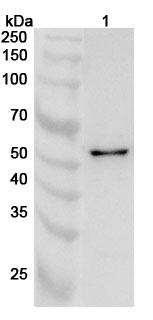
Anti-HPV16 E6 Polyclonal Antibody can be used in various experimental techniques, such as Western blotting and immunoprecipitation, to investigate the interaction between HPV16 E6 and p53. This can provide valuable insights into the molecular mechanisms of HPV-associated cancers and help identify potential therapeutic targets.
2. Screening Potential Anti-HPV Drugs:
The use of Anti-HPV16 E6 Polyclonal Antibody in high-throughput screening assays can help identify compounds that can effectively inhibit the function of HPV16 E6. This can aid in the development of new and improved anti-HPV drugs.
3. Detection of HPV16 in Patient Samples:
Anti-HPV16 E6 Polyclonal Antibody can be used in diagnostic tests, such as ELISA and immunohistochemistry, to detect the presence of HPV16 in patient samples. This can assist in early detection and monitoring of HPV-associated cancers, improving patient outcomes.
Conclusion:
In summary, Anti-HPV16 E6 Polyclonal Antibody is a highly specific and sensitive tool for HPV research and diagnostics. Its ability to target the E6 protein of HPV16 makes it a valuable asset in understanding the role of this virus in cancer development and detecting its presence in patient samples. With its wide range of applications and experimental use cases, this antibody is a must-have for any biotech laboratory working on HPV-related research.


There are no reviews yet.