Anti-Human APH1A Polyclonal Antibody
The Anti-Human APH1A Polyclonal Antibody is a powerful tool for researchers in the field of biotechnology. This highly specific antibody targets the APH1A protein, making it an essential tool for studying the functions and mechanisms of this important protein.
Biological Function:
APH1A is a transmembrane protein that plays a crucial role in the formation and function of gamma-secretase complexes. These complexes are involved in the processing of amyloid precursor protein (APP) and the production of amyloid beta peptides, which are implicated in the development of Alzheimer’s disease. The Anti-Human APH1A Polyclonal Antibody specifically binds to the APH1A protein, allowing for the detection and analysis of its expression and localization in various biological samples.
Main Applications:
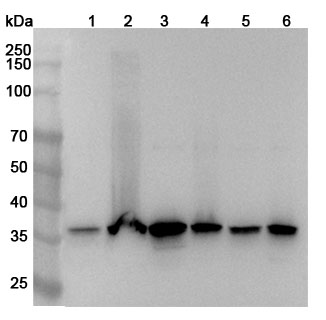
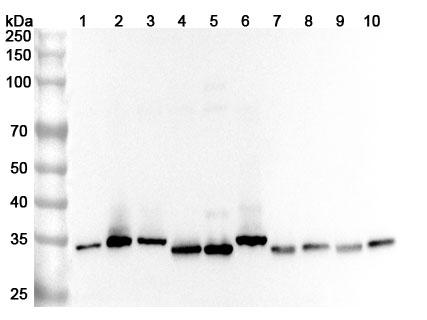
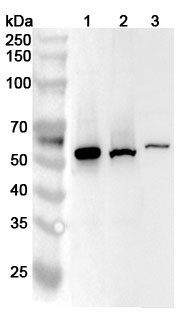
This antibody is widely used in research applications such as western blotting, immunohistochemistry, and immunofluorescence. Its high specificity and sensitivity make it a valuable tool for studying the role of APH1A in various biological processes, including neurodegeneration, cancer, and development.
Experimental Use Cases:
The Anti-Human APH1A Polyclonal Antibody has been successfully used in several experimental settings. In one study, researchers used this antibody to investigate the role of APH1A in the development of Alzheimer’s disease. They found that the expression of APH1A was significantly increased in the brains of Alzheimer’s patients, suggesting its potential as a therapeutic target.
In another study, this antibody was used to analyze the expression of APH1A in cancer cells. The researchers found that APH1A was overexpressed in certain types of cancer, highlighting its potential as a diagnostic marker and therapeutic target.
Overall, the Anti-Human APH1A Polyclonal Antibody is a valuable tool for studying the functions and mechanisms of the APH1A protein. Its high specificity and sensitivity make it an essential reagent for researchers in the biotechnology field. Order now and discover the potential of APH1A in your research.

There are no reviews yet.