Introducing the Anti-Human AQP1/Aquaporin-1 Polyclonal Antibody, a powerful tool for biotech research. This high-quality antibody is specifically designed to target AQP1, a protein that plays a crucial role in the regulation of water and solute transport in various tissues and organs.
AQP1, also known as Aquaporin-1, is a transmembrane protein that forms water channels in cell membranes. These channels allow for the rapid movement of water molecules, making AQP1 essential for maintaining proper hydration levels in the body. In addition, AQP1 has been implicated in several physiological processes, including kidney function, fluid secretion, and cell migration.
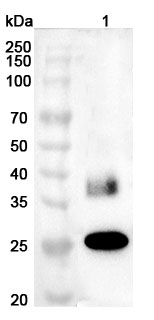
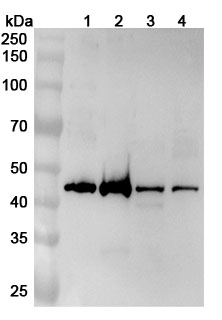
The Anti-Human AQP1/Aquaporin-1 Polyclonal Antibody is a reliable and sensitive tool for studying the expression and localization of AQP1. It has been extensively validated in various experimental models and has shown excellent specificity and sensitivity in detecting AQP1 in both Western blot and immunohistochemistry assays.
This antibody is an ideal choice for researchers studying AQP1 in different tissues and disease states. It has been successfully used in studies on kidney disorders, cancer, and other conditions where AQP1 dysregulation has been implicated. Its versatility and robust performance make it a valuable asset in any biotech laboratory.
In addition to its main applications, the Anti-Human AQP1/Aquaporin-1 Polyclonal Antibody can also be used in a variety of experimental techniques. These include immunoprecipitation, flow cytometry, and immunofluorescence, allowing for a comprehensive analysis of AQP1 expression and function.
With its high specificity, sensitivity, and versatility, the Anti-Human AQP1/Aquaporin-1 Polyclonal Antibody is a must-have for any biotech researcher looking to advance their understanding of AQP1 and its role in various biological processes. Trust in its proven performance and take your experiments to the next level with this powerful tool. Order now and unlock the full potential of your research.


There are no reviews yet.